A DRP (Direct Repair Program) body shop is a repair facility with a contractual agreement with an insurance company to handle claims directly — streamlining your repair with guaranteed estimates, direct billing, and faster approvals. The tradeoff: DRP shops must meet the insurer’s cost targets, which can mean aftermarket parts and tighter labor times than an independent shop would accept.
DRP stands for Direct Repair Program. It's a formal business arrangement between an insurance company and a group of auto body shops. The insurer sends customers to those shops; the shops agree to pricing structures, reporting standards, and workflow processes in exchange for that referral volume. That's the deal in plain terms.
This isn't inherently good or bad for car owners. But you need to know how DRP works to decide whether the recommended shop is the right choice for your repair, or whether you'd rather go elsewhere.
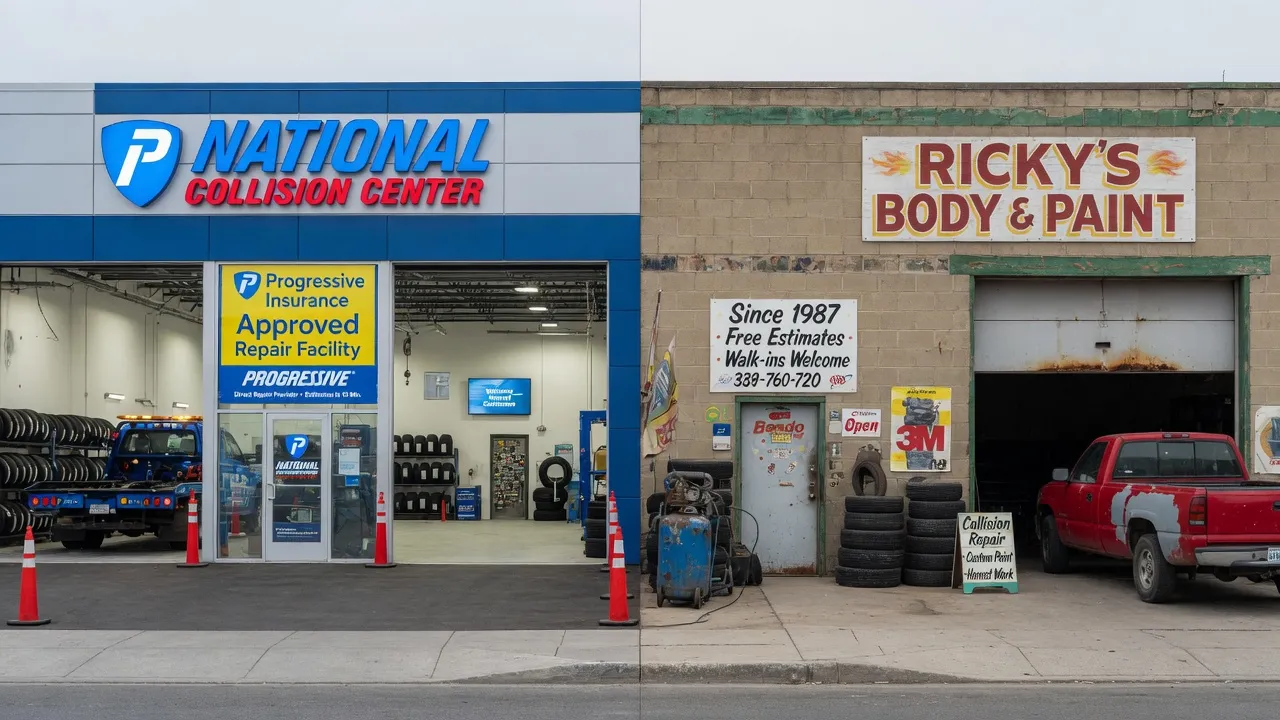
What is a DRP body shop?
A DRP body shop (Direct Repair Program body shop) is an auto body shop that has a formal contract with one or more insurance companies. The shop agrees to follow the insurer's pricing guidelines, repair procedures, and reporting requirements. In exchange, the insurer refers policyholders to that shop after accidents. DRP shops are also called "insurance preferred body shops," "network shops," or "approved shops", all referring to the same arrangement.
The specific terms of a DRP agreement include: standardized repair procedures, parts sourcing guidelines, time-to-completion benchmarks, and reporting systems that keep the insurance company informed throughout the repair process.
For a body shop, landing a DRP contract with a major insurer like State Farm, GEICO, or Progressive can be a major shift, sometimes doubling or tripling vehicle throughput. Shops in the network submit digital estimates using standardized software (most commonly CCC ONE or Mitchell), and the insurer can review, approve, and process claims without sending an adjuster to the shop. That speeds up cycle time and reduces administrative costs for both parties.
How the DRP Relationship Works
The mechanics of a DRP agreement vary by insurer, but the core structure is consistent.
Volume in exchange for preferred pricing. Shops agree to labor rates, markup limits on parts, and standard repair procedures that keep costs predictable for the insurer. In return, the shop gets a steady stream of customers it didn't have to market to. For many shops, DRP customers represent 40-70% of total repair volume.
Faster claims processing. DRP shops have direct digital access to the insurer's estimating platform. They submit estimates, photos, and supplements electronically, and approvals come back faster than they would for a non-network shop. Car owners typically experience shorter wait times on paperwork.
Warranty arrangements. Most DRP agreements include a lifetime repair warranty backed by the insurer, not just the shop. That's a meaningful benefit. If a DRP shop closes, the warranty obligation stays with the insurer.
Performance tracking. Insurers monitor DRP shops closely: average cycle time, customer satisfaction scores, supplement rates, and re-repair rates. Shops that perform poorly can be removed from the network. That accountability cuts both ways; it drives quality, but it also creates pressure to keep costs low.
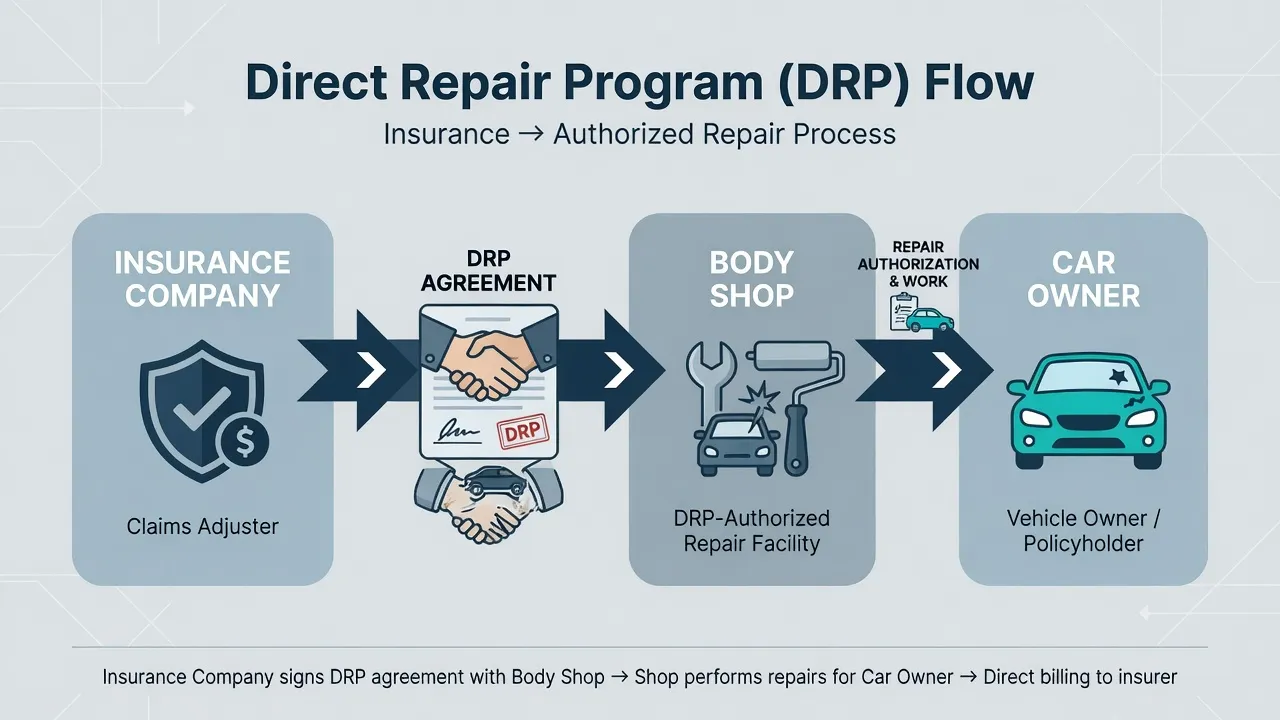
Why Insurers Push DRP Shops
The insurer's motivation is straightforward: cost control and efficiency.
When a car owner goes to a non-network shop, the insurer loses visibility into the repair process. The shop submits an estimate, an adjuster reviews it, negotiations may occur, supplements get filed, and the process becomes unpredictable. Cycle times extend. Administrative costs rise.
DRP shops eliminate most of that friction. The insurer has negotiated rates locked in, standardized procedures to follow, and reporting systems that show exactly what's happening with every vehicle in the shop. A claim that might take three weeks at a non-network shop can be handled in eight to ten days at a DRP shop.
There's also a statistical benefit for insurers. Because DRP shops use standardized estimating software and operate under agreed-upon guidelines, supplements (additional repair costs added after the initial estimate) tend to be lower. According to the CCC Crash Course 2026 report, the average repair cost hit $4,818, with a 63% supplement rate across the industry. Insurers see DRP shops as a way to keep that supplement rate closer to predictable ranges.
From an operational standpoint, DRP programs make the claims process more manageable at scale.
The Consumer Perspective: Benefits and Trade-Offs
Car owners who use DRP shops often report genuine benefits. The process is faster, paperwork is minimal, and the lifetime warranty is a real advantage. When the repair is straightforward, a well-run DRP shop with high customer satisfaction scores can be an excellent choice.
But there are trade-offs worth knowing about.
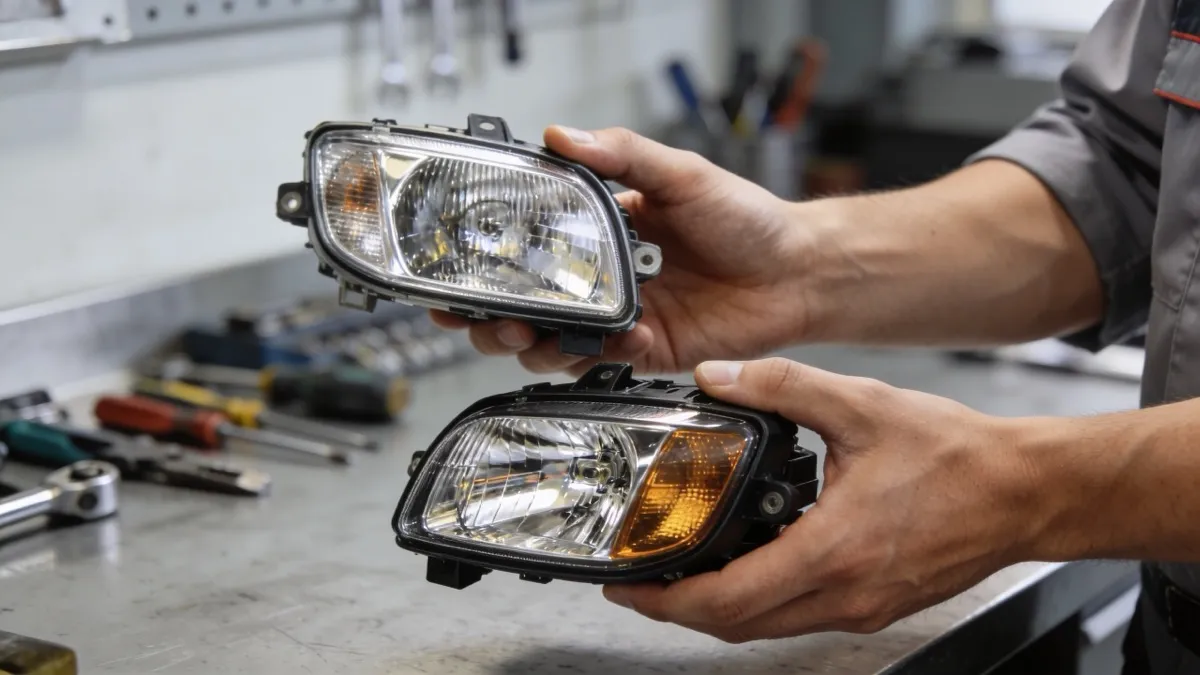
Parts decisions. DRP agreements often include guidance (or requirements) around parts sourcing. Insurers prefer aftermarket parts and used parts over OEM (Original Equipment Manufacturer) parts because they cost less. A DRP shop may face pressure, or contractual obligation, to use non-OEM parts unless the car owner specifically requests otherwise. On a five-year-old vehicle with a minor fender repair, that's often not a major concern. On a newer car or one with ADAS (Advanced Driver Assistance Systems) components, parts quality matters more.
Loyalty split. This is the core tension in every DRP relationship: the shop has a contractual obligation to the insurer that co-exists with its obligation to the car owner. Most of the time those interests align. But when they diverge — say, when a proper repair would require a more expensive part or additional labor hours — the shop faces pressure from both sides.
Estimating speed vs. depth. DRP shops prioritize speed. Faster cycle times are a performance metric tracked by insurers. Occasionally, that speed pressure can lead to estimates that address visible damage without fully accounting for hidden damage that surfaces during disassembly. The 63% supplement rate in the industry suggests this is a common issue, not a DRP-specific one, but it's worth knowing.
None of these trade-offs make DRP shops a bad choice. Many are excellent facilities with skilled technicians and strong track records. The point is that the DRP relationship creates a context that car owners should understand before they hand over their keys.
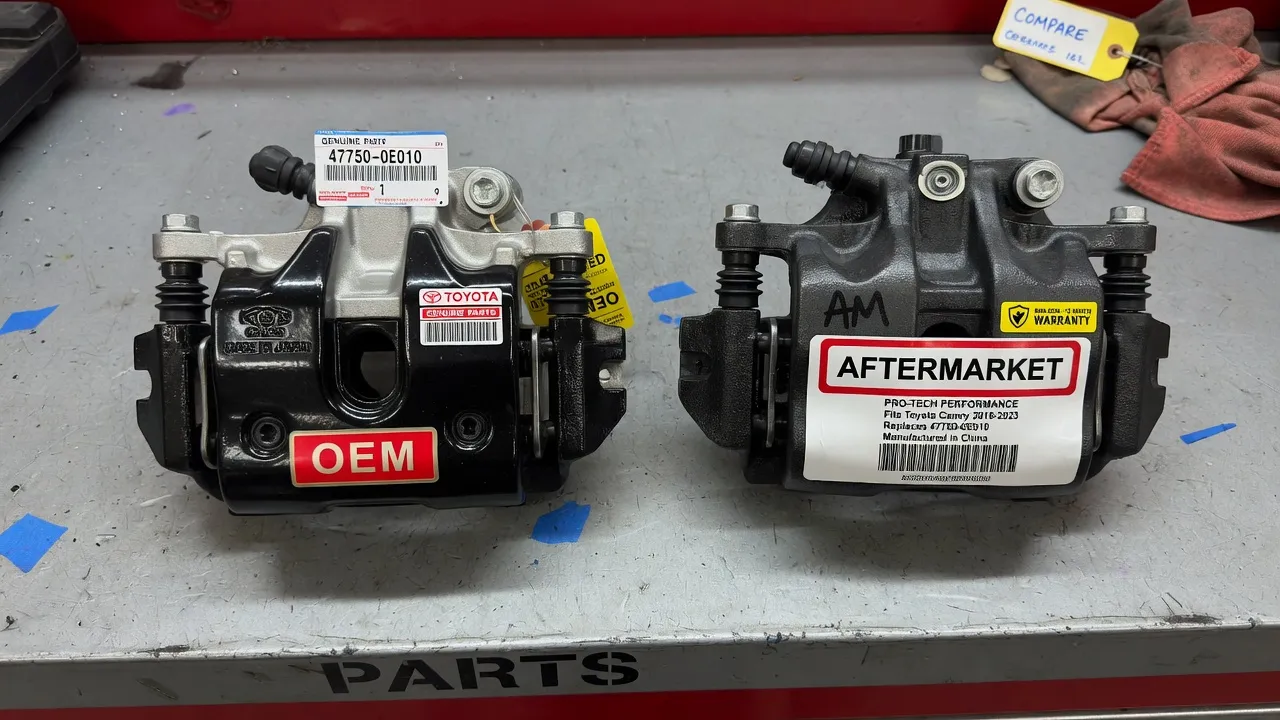
DRP and Parts Quality: OEM vs. Aftermarket Pressure
Parts selection is where the DRP conversation gets specific.
OEM parts come from the vehicle's original manufacturer or a licensed supplier. They're designed to exact specifications for your vehicle model and year. Aftermarket parts come from third-party manufacturers, often at lower cost, with varying quality levels. Salvage parts — used OEM components pulled from other vehicles — fall somewhere in between.
DRP agreements don't always prohibit OEM parts, but they typically require that the shop justify OEM selections when cheaper alternatives exist. In practice, this means aftermarket parts show up on estimates by default.
For most repairs on vehicles over five years old, aftermarket parts can produce a quality repair with no meaningful difference in safety or appearance. For newer vehicles, particularly those with ADAS components like cameras, radar sensors, and lane-departure systems, parts quality and calibration standards matter more. The CCC Crash Course 2026 data shows a 28.3% ADAS calibration rate across all repairs, reflecting how often modern vehicles require sensor recalibration after collision work.
State laws provide some protection. Several states (including California, Massachusetts, and others) require insurers to disclose when non-OEM parts are specified, and some require OEM parts on vehicles under a certain age. A full breakdown of how parts decisions interact with insurance claims is in our guide to OEM vs aftermarket parts in insurance claims.
If OEM parts matter to you for your specific repair, the best approach is to say so at the start: ask the shop to identify any non-OEM parts on the estimate and request OEM alternatives in writing before authorizing the repair.
Your Legal Right to Choose Any Licensed Shop
This is the most important thing to know about DRP programs: you don't have to use one.
In all 50 states, car owners have the legal right to choose any licensed auto body shop for insurance-covered repairs. Insurance companies can recommend DRP shops, they can claim faster processing times, they can send you a list of preferred shops and encourage you to use them. What they cannot legally do is require you to use a specific shop. The National Association of Insurance Commissioners (NAIC) confirms this right in its auto claims consumer guidance.
Some car owners hear language from claims representatives that sounds like a requirement. Phrases like "you'll need to use one of our approved shops" or "we can only guarantee the repair if you go to a network shop" can sound like mandates. They're not. The warranty offer may change (the insurer's warranty typically only applies to DRP shops), but your right to choose stays intact.
The practical implication: if you have a preferred shop, a trusted mechanic who does body work, or a specialist shop with specific certifications for your vehicle type, you can bring your car there and file the claim normally. The non-network shop submits an estimate, the insurer reviews it, and the repair proceeds. It may take a little longer on paperwork, but the repair gets covered.
For a complete breakdown of consumer rights in insurance claims, see our guide on your right to choose your own body shop.
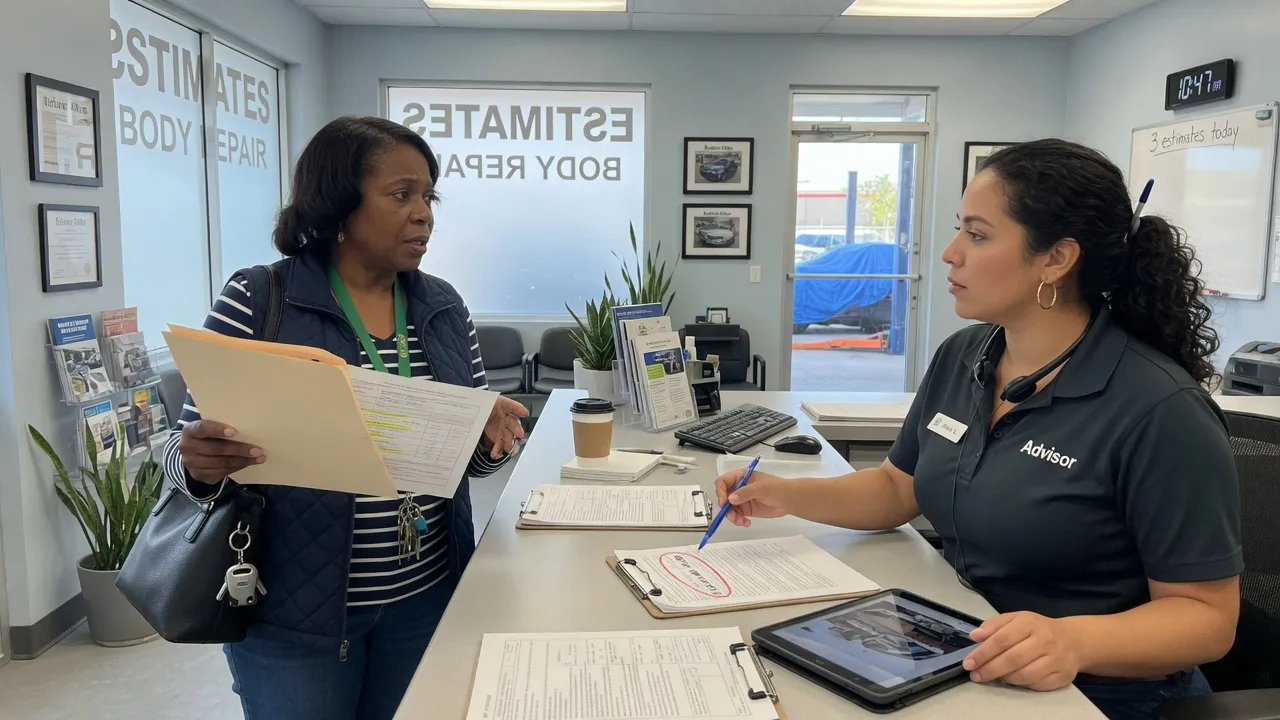
When DRP Shops Are a Good Choice
DRP shops make sense in several common situations.
Straightforward repairs on vehicles 3+ years old. If you have a dented door, minor front-end damage, or a bumper replacement on a vehicle where OEM vs. aftermarket isn't a major concern, the speed and warranty benefits of a DRP shop are real advantages.
When you don't have a shop preference. If you're new to an area, never had a major repair done, or don't have a trusted shop in mind, a DRP shop with good customer ratings and proper certifications is a reasonable starting point. The insurer's accountability system means poor performers get removed from the network.
When cycle time matters. If you're paying for a rental car or relying on your vehicle for work, faster cycle times have direct financial value. DRP shops process claims faster, and that speed difference can be meaningful.
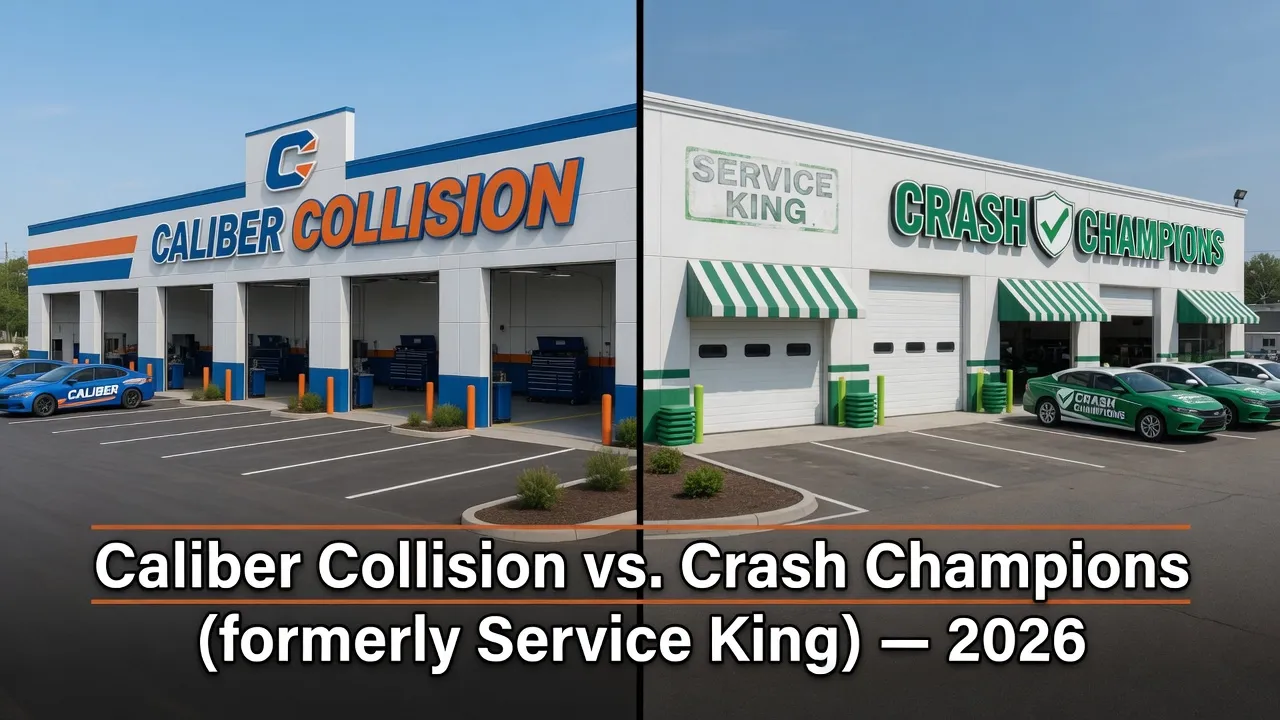
Large chain shops with DRP contracts. Shops like Caliber Collision and Crash Champions operate at scale specifically because of DRP volume. They've invested in equipment, training, and systems that match what DRP programs require. For more on how these chains approach DRP, see our comparison of Caliber and Crash Champions as DRP examples.
When to Be Cautious About DRP Referrals
There are situations where it's worth pausing before accepting an insurer's recommendation.
Newer vehicles with ADAS components. If your vehicle has cameras, radar sensors, automatic emergency braking, or lane-keep assist, collision repairs may require calibration of those systems. Not every DRP shop has the equipment to perform OEM-level ADAS calibration. Ask whether the shop is certified to perform calibration for your vehicle make before committing.
Luxury or European vehicles. BMW, Mercedes-Benz, Audi, and similar manufacturers maintain certified collision repair networks with specific equipment and training requirements. A DRP shop that isn't certified by the manufacturer may not have the tools for aluminum body construction, carbon fiber components, or proprietary structural repair procedures. OEM certification matters here.
When you have a supplement dispute. If the initial estimate is low and you expect serious hidden damage, going to a shop you trust, one that will advocate for you rather than for fast throughput, can protect your interests.
Heavily damaged vehicles. Total loss thresholds, structural damage assessments, and diminished value claims are situations where having a shop that's primarily accountable to you, rather than to the insurer's cycle time metrics, can make a difference.
The comparison between DRP and independent shops isn't always straightforward. Our article on how DRP status affects chain vs independent shop comparisons walks through the key factors.
How to Evaluate a DRP Shop Before Committing
If you're leaning toward using the insurer's recommended shop, a few minutes of due diligence will tell you a lot.
Check certifications. I-CAR Gold Class certification means the shop invests in ongoing technical training. OEM certifications for your specific vehicle brand (Ford Pro, GM Certified, Toyota Certified, etc.) mean the shop has been audited for equipment, tools, and procedures. Ask the shop directly what certifications they hold, and verify them on the certifying body's website.
Read reviews, specifically for insurance work. Filter for reviews that mention insurance claims. Look for patterns: slow communication, supplement disputes, parts quality complaints, or re-repair issues. One or two complaints are normal; patterns are signals.
Ask about parts. Before authorizing the repair, ask the service advisor which parts on the estimate are OEM and which are aftermarket or salvage. Ask what the process is if non-OEM parts don't fit correctly. A good shop will answer these questions directly.
Ask about ADAS calibration. If your vehicle has driver assistance systems, ask whether the shop performs in-house calibration or sublets it to a dealer or specialist. Subletting adds days to the repair timeline.
Get a written warranty. Confirm that the warranty terms, duration, and who backs it are in writing before you authorize the repair. The insurer's warranty and the shop's own warranty may have different terms.
For a broader look at which major chains are DRP-partnered and how they compare, see our pillar guide to auto body shop chains.
You can also see how DRP plays into the Maaco vs. independent shop decision in our breakdown of DRP differences between Maaco and independent shops.
Should you use a DRP body shop?
The right answer depends on your situation. A DRP body shop offers real advantages, including faster claims processing, less paperwork, and a warranty backed by the insurer, that make it a practical choice for many straightforward repairs. For vehicles three or more years old with clear-cut damage and no ADAS components, a well-rated DRP shop with I-CAR Gold Class certification and strong reviews is a sound option.
The cases where more caution is warranted are specific: newer vehicles with driver assistance systems, luxury or European models with OEM certification requirements, heavily damaged vehicles where structural damage assessment is critical, and situations where a car owner already has a trusted shop relationship. In those cases, the flexibility of a non-DRP independent shop may serve the car owner better.
What matters most isn't the DRP designation itself; it's the individual shop's certifications, equipment, technician training, and track record. Use the DRP label as context, not as a final verdict. A DRP body shop staffed by I-CAR-certified technicians with OEM approvals for your vehicle type may outperform a non-network shop down the street. The reverse can also be true. Do the due diligence either way, and the choice becomes clearer.
Frequently Asked Questions
What does DRP mean in auto body repair?
DRP stands for Direct Repair Program. It describes a formal business agreement between an insurance company and an auto body shop. The shop agrees to follow the insurer's pricing guidelines, reporting requirements, and repair procedures. In return, the insurer refers policyholders to that shop after accidents. Car owners often hear these shops called "insurance preferred," "network shops," or "approved shops," all of which refer to the same DRP relationship.
Can my insurance company force me to use a DRP shop?
No. In all 50 states, car owners have the legal right to choose any licensed auto body shop for an insurance-covered repair. Insurance companies can recommend DRP shops and may offer warranty benefits if you use one, but they cannot require you to use a specific shop. If a claims representative implies otherwise, ask for the restriction in writing. It won't be provided, because no such legal requirement exists.
Is a DRP body shop lower quality than an independent shop?
Not necessarily. DRP status doesn't determine repair quality; certifications, equipment, and technician training do. Many DRP shops, including large chains and well-run regional shops, hold I-CAR Gold Class certification and OEM approvals that reflect genuine capability. The DRP relationship creates specific business pressures (cost control, cycle time) that car owners should be aware of, but those pressures don't automatically produce lower-quality repairs. Evaluating any shop, DRP or not, on certifications, reviews, and direct conversations with the service staff is the right approach.
Will my repair cost more if I don't use a DRP shop?
Your out-of-pocket cost for a covered claim should be the same: your deductible. The insurer pays the difference between the approved estimate and your deductible, whether the shop is DRP or not. Where you might see a difference is in the supplement and negotiation process. Non-network shops may need to go through more back-and-forth with the insurer to get additional damage approved. That doesn't change your cost, but it can extend the timeline. Some car owners also choose shops based on the total repair quality, not just their deductible exposure.
What is the difference between a DRP shop and an independent body shop?
A DRP shop has a formal contract with one or more insurance companies, agreeing to specific pricing and procedures in exchange for referral volume. An independent body shop works on any vehicle from any insurer without those contractual obligations. The practical difference is that DRP shops process insurance claims faster and come with the insurer's warranty. Independent shops may have more flexibility on parts selection and can advocate more freely for additional repairs without concern for their standing in an insurer's network. Neither category is uniformly better; the right choice depends on your specific vehicle, repair type, and priorities. See our guide on auto body shop insurance claims for more on navigating this decision.
Does DRP status affect the parts used in my repair?
Often, yes. DRP agreements frequently include parts sourcing guidelines that favor aftermarket or salvage parts over OEM parts, because non-OEM parts cost less. This is how insurers control claim costs in DRP programs. Car owners can request OEM parts, and in some states, insurers are required to disclose when non-OEM parts are specified. If OEM parts matter for your repair, specifically for newer vehicles or those with ADAS components, request an OEM parts estimate in writing before authorizing any work. See our full breakdown of OEM vs aftermarket parts in insurance claims.
How do I know if a DRP shop is good?
Check for I-CAR Gold Class certification and any OEM certifications relevant to your vehicle brand. Read customer reviews, filtering for patterns in insurance claim experiences. Ask the shop directly about parts sourcing, ADAS calibration capabilities, and warranty terms before authorizing repairs. The insurer's accountability system provides some baseline assurance (poorly performing DRP shops do get removed from networks), but your own due diligence is still worthwhile, particularly for complex repairs on newer vehicles.
For help finding certified auto body shops near you, see our collision repair resource directory.