The average collision repair now costs $4,818, according to CCC Crash Course 2026 data. That's a big check to write, and it's growing. With 63% of claims requiring at least one supplement after the initial estimate, most repairs end up costing more than the first quote suggested.
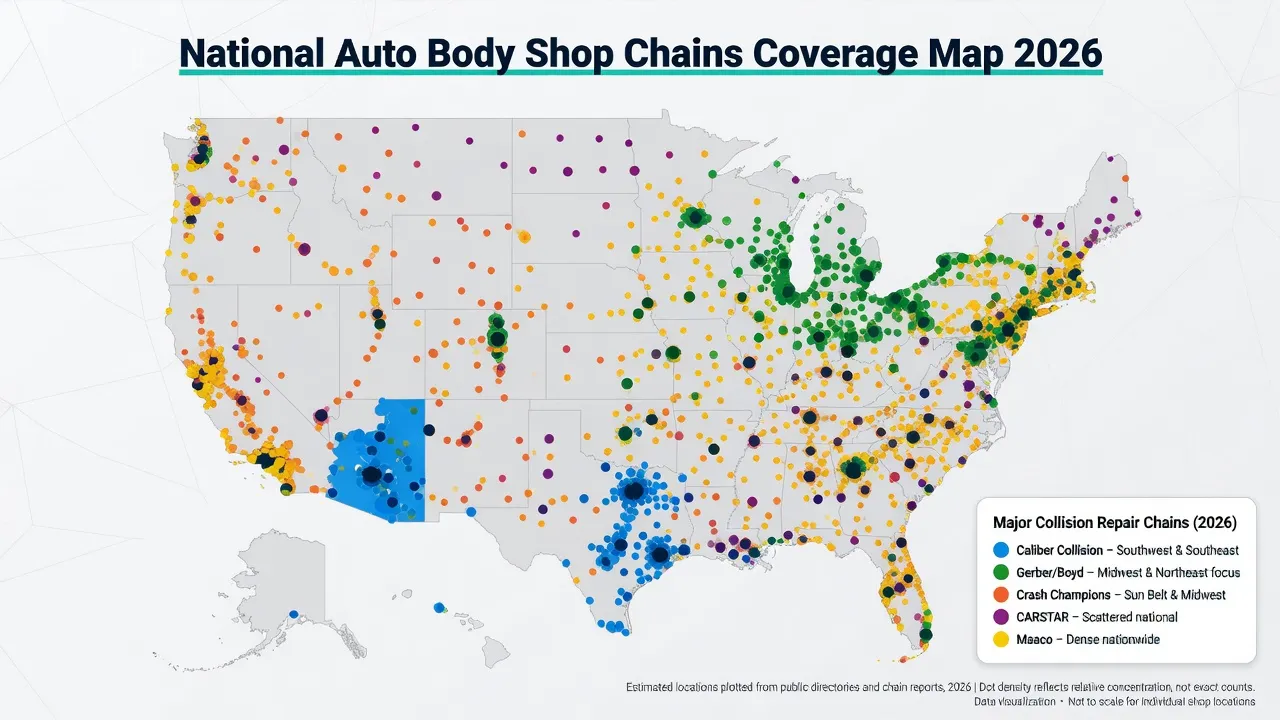
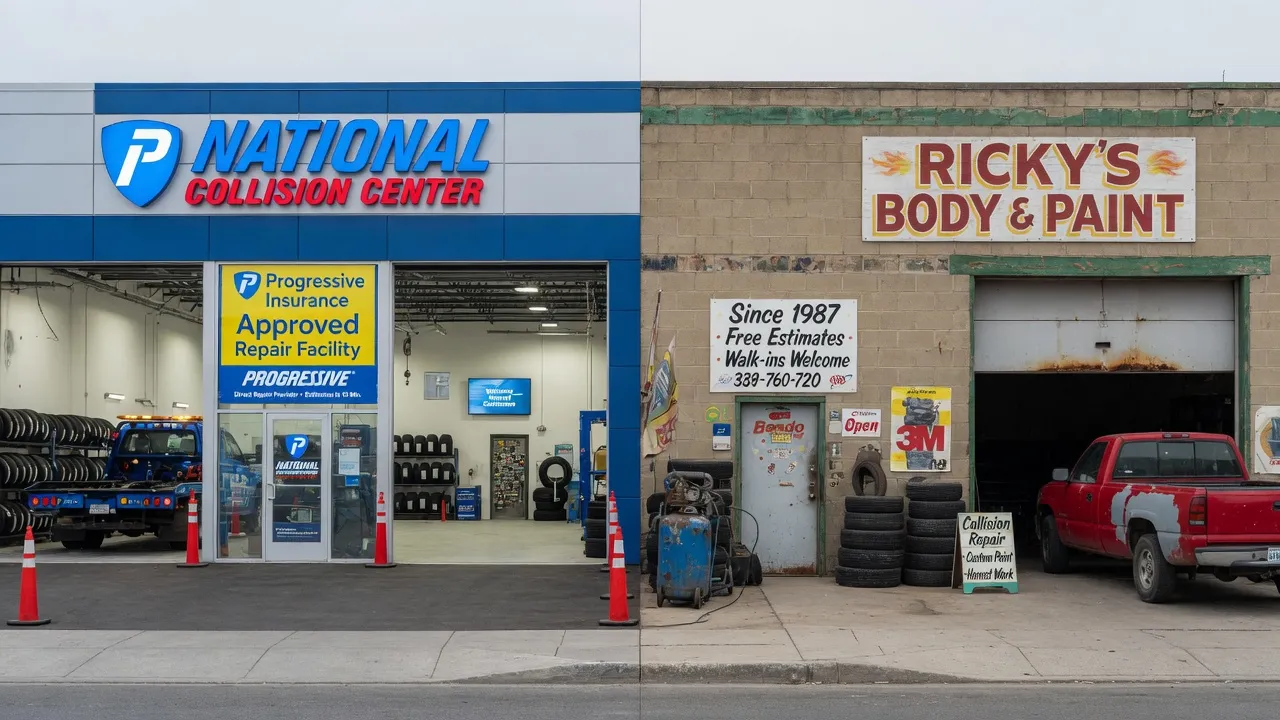
At that price point, the auto body shop chain vs independent decision matters more than most people realize. Should you go with a national chain like Maaco, Service King, or Caliber Collision? Or find a locally owned independent shop?
This question, sometimes framed as independent auto body shop vs franchise, comes up constantly. The honest answer: neither option is universally better. The right choice depends on your specific situation, vehicle, insurance coverage, and what you value most in a repair. The data leans in one direction, but context matters a lot.
Here's what Consumer Reports found, how the two models actually differ, and a clear framework for making your own call. For a detailed look at the major chain options themselves, see our complete chains comparison.
Why this decision carries real weight
Collision repair has gotten more complicated. The average vehicle on the road is now 6.8 years old, which means many cars have a mix of legacy steel, aluminum panels, advanced driver assistance systems (ADAS), and multiple types of high-strength steel that all require different repair techniques.
CCC's 2026 data also shows a 23.1% total loss rate, meaning nearly one in four collision claims results in the insurer declaring the vehicle a total loss rather than repairing it. For the 77% that do get repaired, the repair itself is increasingly complex.
That complexity changes the calculus on shop selection. A bumper replacement on an older vehicle doesn't require the same scrutiny as a front-end collision on a 2023 Honda CR-V with radar sensors, a steel unibody, and aluminum hood components. The stakes aren't always equal, and neither are the capabilities of every shop.
How chains and independents are structured differently
Understanding why they perform differently starts with understanding how they're built.
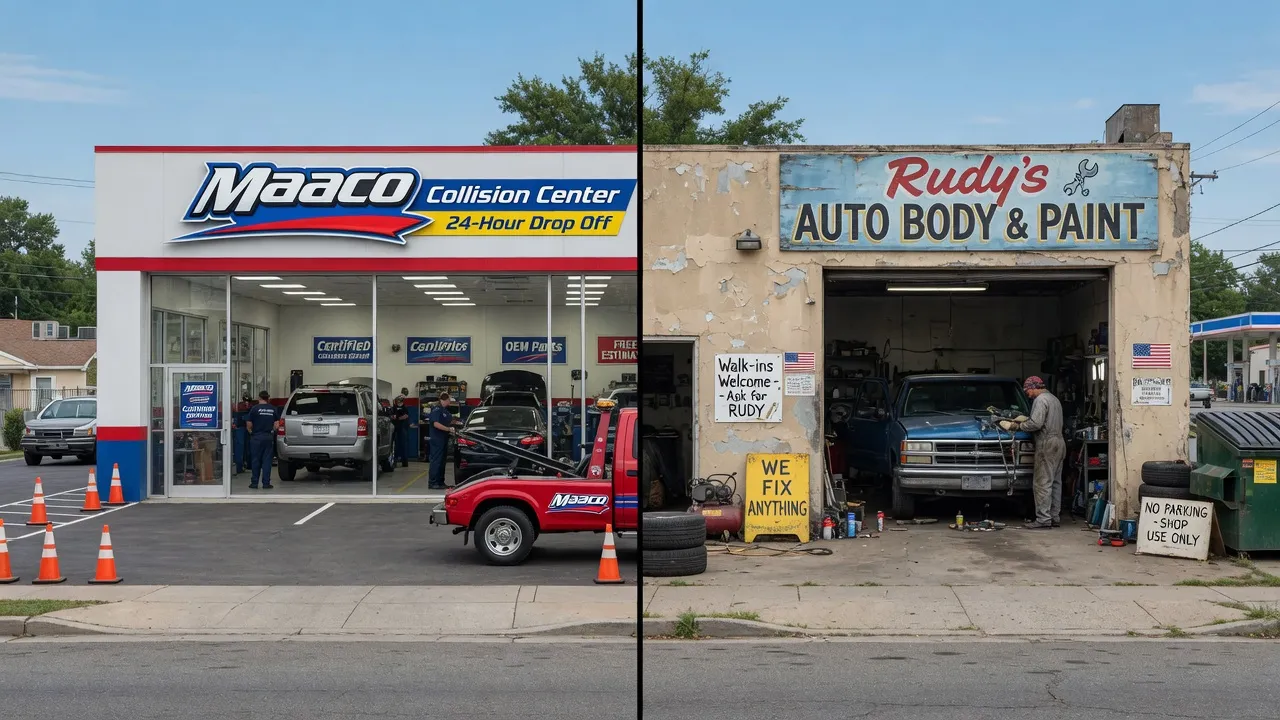
National and regional chains operate under a corporate structure. A manager at a Caliber Collision or ABRA location follows standardized processes set at the corporate level. Pricing tends to be more uniform, training programs are structured, and many chains invest heavily in equipment to meet OEM certification requirements. The shop you walk into in Phoenix runs roughly the same playbook as the one in Pittsburgh.
The tradeoff: the technician working on your car is an employee of a larger company. Their incentives, workflows, and decisions are shaped by throughput targets and corporate protocols.
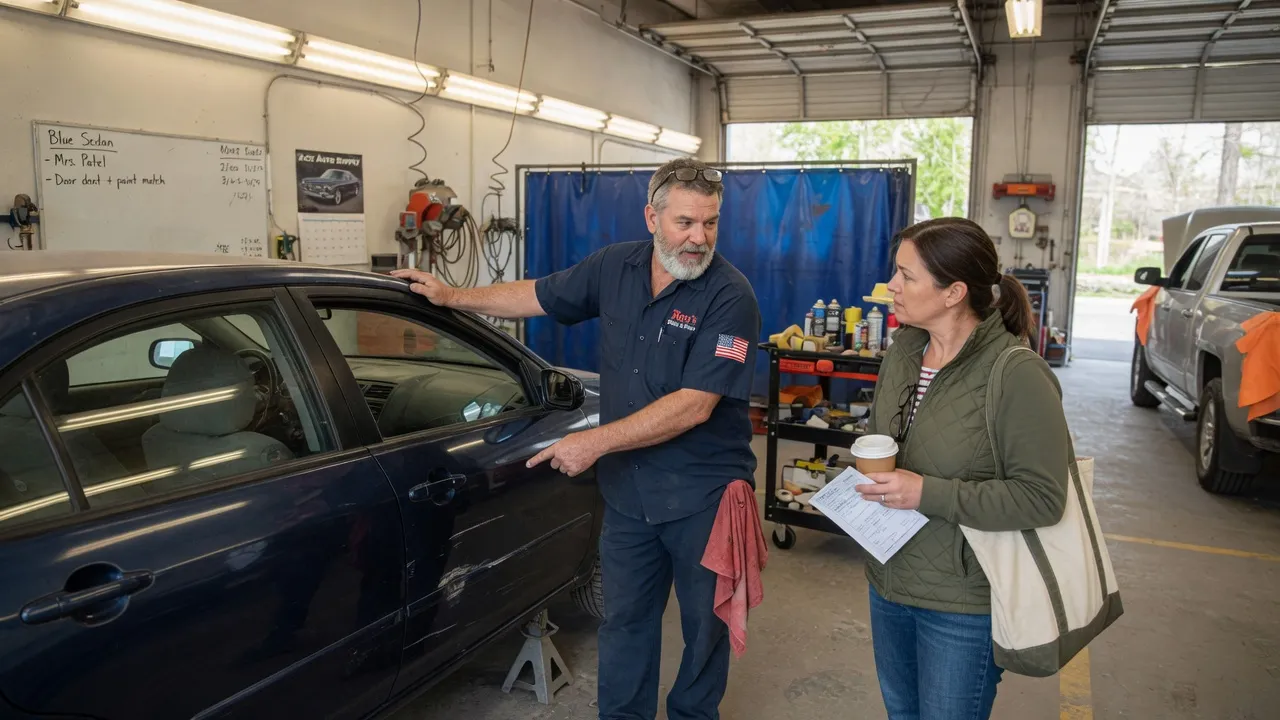
Independent shops are typically owner-operated, sometimes with the owner working in the shop alongside their technicians. There's no corporate layer between the person responsible for the business and the person doing the work. Decisions about parts, process, and quality are made locally, often by someone with their name on the door.
The tradeoff: there's no corporate oversight to maintain standards. A great independent shop can be exceptional. A mediocre one has no accountability structure to catch and correct problems.
Both models produce excellent repairs and terrible ones. The difference is where the quality control comes from.
What the data actually says
Consumer Reports surveyed 10,973 vehicle owners about their auto body repair experiences. The results showed that independent shops outscored national chains in overall customer satisfaction.
That's a meaningful sample size, and the finding held up across multiple satisfaction dimensions. Independent shop customers reported higher satisfaction with repair quality, communication, and the overall experience.
This doesn't mean every independent shop beats every chain. Satisfaction surveys measure aggregate experience, and there's enormous variation within each category. Some chain locations earn excellent reviews; some independent shops have serious quality problems.
But the data is worth taking seriously. When nearly 11,000 people share their repair experiences and the pattern consistently favors independent shops, that's useful information, not noise.
One likely explanation: independent shops, especially those that have been in business for years, rely more heavily on repeat customers and word-of-mouth. That creates a different incentive structure than a chain location operating in a high-turnover market. The owner of a 25-year-old independent shop in your city knows that a botched repair will follow them for years. That accountability is real.
Auto body shop chain vs independent: quick comparison
| Factor | Chain Body Shop | Independent Shop |
|---|---|---|
| Customer satisfaction | Lower (Consumer Reports data) | Higher (Consumer Reports data) |
| Pricing consistency | More predictable; DRP rates | More flexible; varies by shop |
| Insurance DRP partnerships | Common at major chains | Rarely; negotiates each claim |
| OEM certifications | Widely available | Available at top independents |
| Parts flexibility | Limited by DRP agreements | Greater flexibility |
| Warranty | Corporate "lifetime" policy | Owner-backed 1–3 year warranty |
| Personalized attention | Less; corporate throughput focus | More; owner-operated accountability |
| Speed of claims process | Faster via DRP streamlining | Slower; individual negotiation |
| Best for | Streamlined insurance claims, OEM-cert needs | Complex repairs, custom work, personal service |
Quality: consistency vs. craftsmanship
Chains bring process standardization. The same repair steps, the same documentation requirements, the same quality checkpoints at each location. For straightforward repairs, this consistency can work well. It also means that major chains often hold OEM certifications from manufacturers like Ford, Tesla, or Honda, which require specific tools, training, and documentation to maintain.
If OEM certification matters for your vehicle, a chain may have a structural advantage here. OEM-certified repairs are especially relevant for newer vehicles with specialized materials, structural designs, or ADAS components that need calibration after a collision.
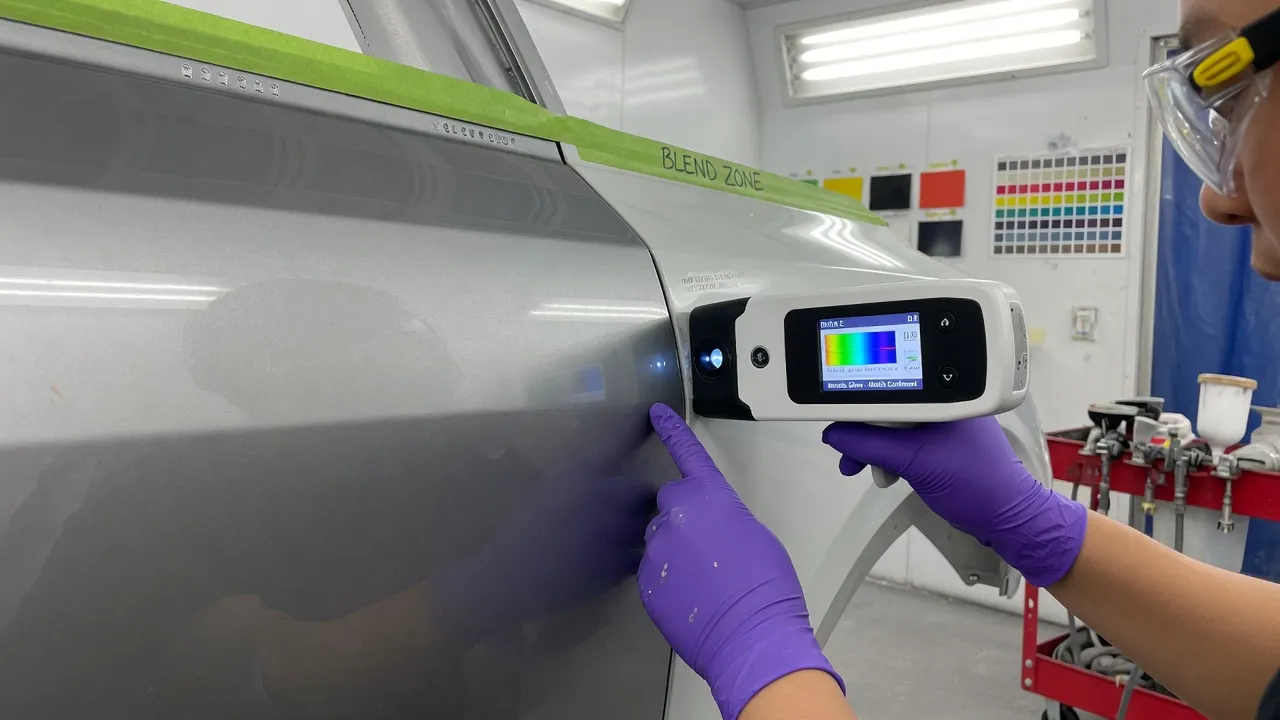
Independents, when they're good, often bring genuine craftsmanship. An owner-operator who has been doing custom paint work for 20 years typically produces a higher-quality paint match than a chain technician working through a standardized booth process. Personalized attention to blending, panel fitment, and detail work is where skilled independent shops tend to shine.
The honest qualifier: "skilled independent shop" is doing a lot of work in that sentence. Quality varies enormously. An I-CAR certified independent shop with modern equipment is a strong option. A shop with aging equipment and no industry certifications carries more risk.
What to look for in either case: I-CAR certification (which indicates ongoing training), manufacturer OEM certifications if relevant to your vehicle, and documented warranties on completed work.
Cost: where the real differences show up
Chains don't automatically cost more, but the cost structure is different.
National chains have negotiated pricing with insurance companies through Direct Repair Program (DRP) partnerships, which we'll cover in a moment. This can compress pricing on some common repairs. It can also mean selecting parts based on what the insurance agreement allows rather than what you'd choose on your own.
Independent shops have more flexibility on parts sourcing. That can go either way: a good independent shop might source better parts for a competitive price, or an unscrupulous one might use substandard aftermarket parts while charging OEM prices.
The CCC 2026 data shows a 63% supplement rate, meaning most repairs require additional work beyond the initial estimate once the car is disassembled. This is where cost surprises happen at any shop type. Independent shops generally have more flexibility to negotiate supplements directly with adjusters; chains operating under DRP agreements may have set protocols for handling supplements.
Parts markup is another cost variable. Shops make money on parts. An independent shop's markup on parts may be higher than what a chain's DRP agreement specifies, or lower. There's no reliable universal rule here. Asking for a parts itemization on your estimate is always a reasonable request.
One area where independents sometimes win on cost: paint quality and detail work. A skilled independent painter can sometimes deliver a better finish at a comparable price to a chain. For cosmetic repairs, this matters.
Insurance handling: DRP relationships and what they mean for you
This is one of the most consequential differences between chains and independent shops, and it's often misunderstood.
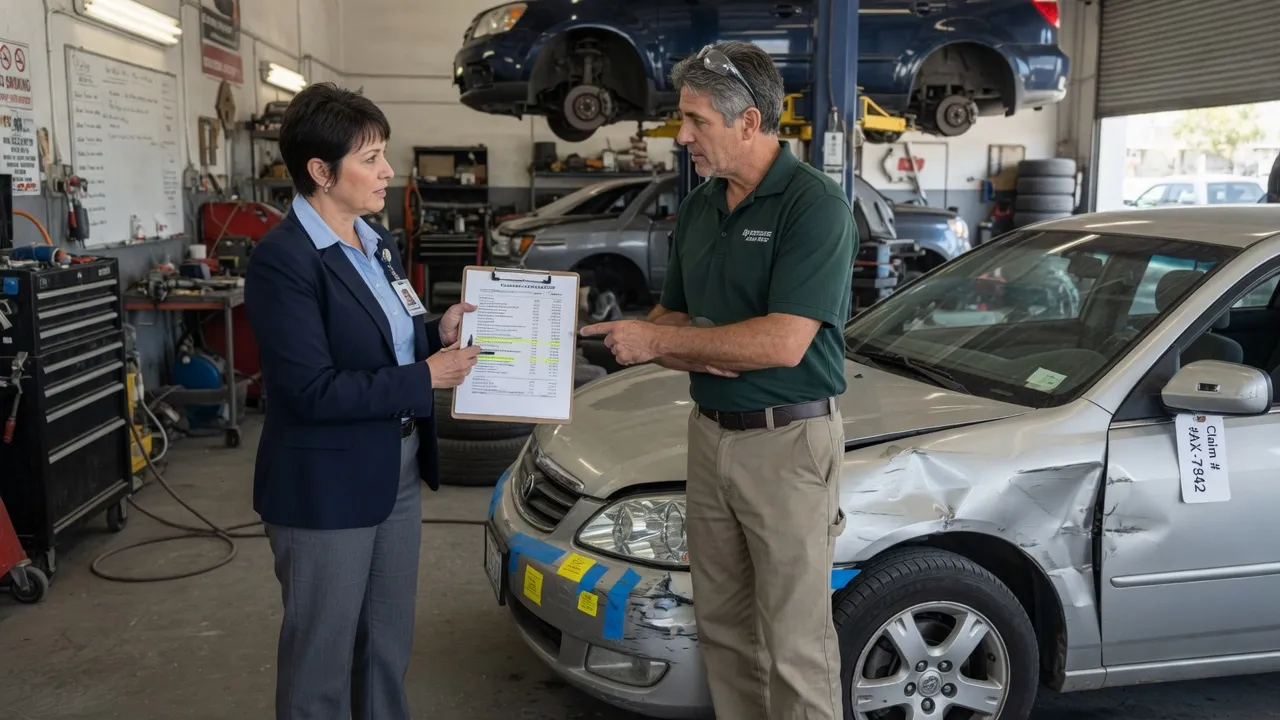
Many national chains are Direct Repair Program (DRP) partners with major insurers. This means the insurer and the shop have a pre-negotiated agreement: the insurer steers work to the shop, and the shop agrees to specific labor rates, parts sourcing guidelines, and process standards. For a full explanation of how these relationships work, see our piece on the role of DRP relationships.
From a consumer perspective, DRP partnerships have real advantages. The claims process is faster and more efficient. The insurer and shop communicate directly. There are often fewer disputes over supplement costs because the rates are pre-agreed.
The potential downside: DRP agreements can constrain parts choices. An insurer-shop agreement might default to aftermarket or recycled parts unless you specifically negotiate for OEM. If you're driving a newer vehicle, this matters. Understanding the difference between OEM and aftermarket parts in insurance claims is worth doing before agreeing to any estimate.
Independent shops aren't in these programs (by definition). They negotiate each claim individually with adjusters. For straightforward repairs, this process works fine. For complex repairs, an experienced independent shop owner who knows how to document and advocate for a proper supplement can get more thorough coverage for the repair. But it typically takes longer and requires more active involvement from the car owner.
Car owners have the legal right to choose their own repair facility regardless of what an insurer recommends. An insurer can suggest a DRP shop, but they can't require you to use one. For more detail on how to manage the whole claims process, the auto body shop insurance claim guide covers it start to finish.
Warranty comparison: lifetime promises vs. personal guarantees
Many major chains offer lifetime warranties on their repairs, which sounds straightforward. Read the fine print before treating these as equivalent.
A lifetime warranty from a corporate chain is only as strong as the company. If the chain closes a location, gets acquired, or goes out of business, the warranty's enforceability gets complicated fast. It also typically means returning to a chain location for any warranty work, which may not be the original shop.
Independent shops don't usually advertise lifetime warranties the same way, though many offer solid warranties (typically one to three years) on parts and labor. An independent shop's warranty is a personal commitment. The accountability is direct: if the owner guaranteed the work, they're the person you call when there's a problem.
What matters more than the length of the warranty: the shop's track record and reputation. A two-year warranty from a shop with a 20-year history of standing behind its work is often more meaningful than a "lifetime" warranty from a franchise that changed ownership last year.
Ask any shop, chain or independent: "What's your warranty policy, and what's the process if I have a problem with the repair?"
Chain vs local body shop: a decision framework for your situation
If you're asking should I use chain or local body shop, the answer depends on your repair type, vehicle, and how you're paying. Neither chains nor independents are the right answer for every situation. Here's how to think through your specific case.
A chain location may be the better fit when:
- Your insurer has a DRP relationship with a chain, and a faster claims process matters to you
- Your vehicle requires specific OEM certifications (Tesla, for example, has strict requirements) and the chain location holds that certification
- Speed matters and the chain has guaranteed turnaround times
- You're doing a routine repair and want predictable pricing
- You need a shop in an unfamiliar city and want consistent standards across locations
An independent shop may be the better fit when:
- You want direct communication with the person doing the work
- Your repair involves complex paint matching, custom work, or detail craftsmanship
- You've found a highly-rated local independent with strong I-CAR certifications and community reputation
- You're paying out of pocket and want more flexibility to negotiate on parts and process
- You've had a bad experience with a chain and want a shop where accountability is personal
In either case, vet the specific shop, not just the category. Check Google reviews, ask about certifications, request to see a completed repair before committing, and get a written estimate that itemizes parts and labor.
For tips on making the most of a chain shop experience, see how to get the best results at any chain body shop. For a detailed breakdown of one chain as a case study, our piece on Maaco vs. local body shop walks through a real comparison.
Car owners in states with strong consumer protection laws, like California or New York, also have additional rights in the repair process, particularly around parts choice. State-specific rules can shift the calculus. Check your state's directory for relevant regulations: we cover California body shop rules and New York body shop requirements, among others.
Services like collision repair and frame repair can differ in how chains vs. independents approach scope, documentation, and structural verification. For structural repairs especially, the shop's specific certifications matter more than whether it's a chain or independent.
The bottom line
The Consumer Reports data covering 10,973 respondents gives independents a meaningful edge in overall customer satisfaction. That's a real signal worth taking seriously in the auto body shop chain vs independent debate.
It doesn't mean every independent shop is better than every chain. It means that, on average, the owner-operated, personally accountable model of an independent shop produces a repair experience that more customers are happy with.
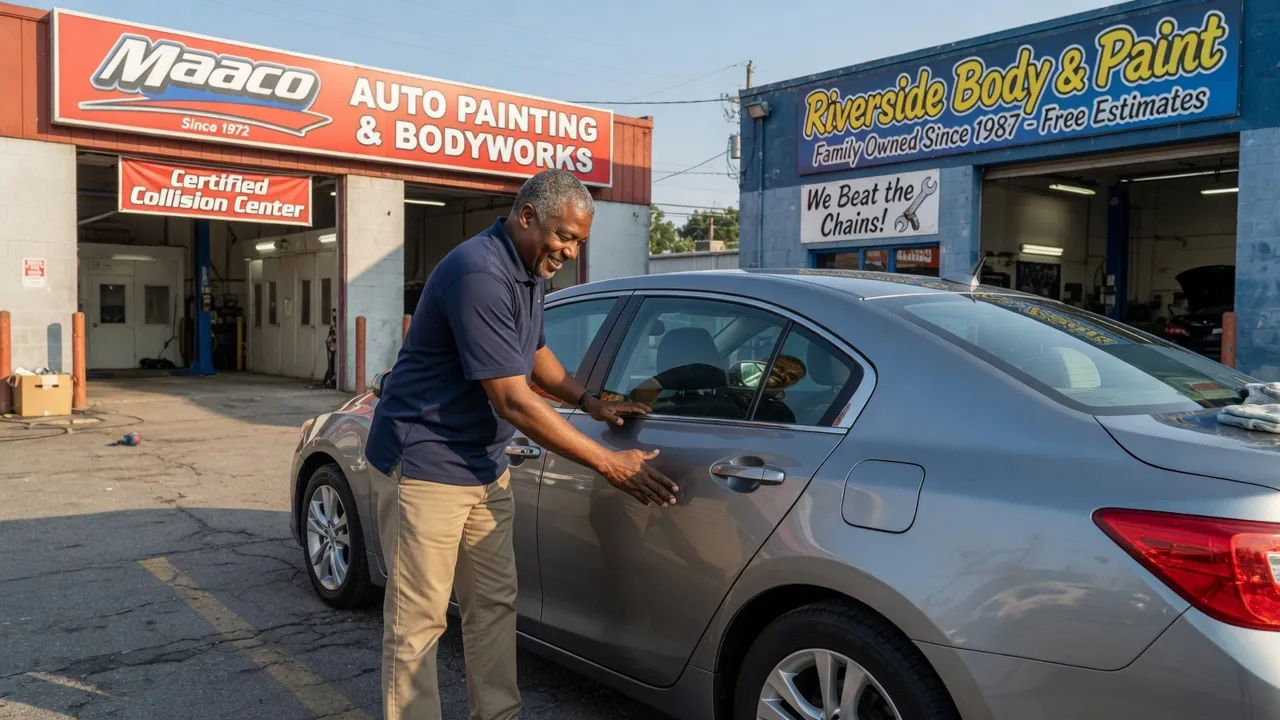
The best approach: treat each shop as an individual. Check certifications, read reviews, ask about warranties, and get itemized estimates. Whether the sign says Caliber Collision or Joe's Auto Body, the same evaluation criteria apply. The shop category narrows your search; your own due diligence closes it.
Frequently asked questions
Are chain body shops cheaper than independent shops?
Not necessarily. Chain shops often have DRP agreements with insurers that standardize pricing on common repairs, which can keep costs predictable. Independent shops have more flexibility on parts sourcing and labor rates, which can go either way on cost. The more important factor is what's included in the estimate: parts quality, labor rates, and whether supplements are handled thoroughly. Always request an itemized estimate regardless of shop type.
Do independent body shops offer warranties?
Yes. Most reputable independent shops offer warranties on parts and labor, typically ranging from one to three years. These warranties are a direct commitment from the owner rather than a corporate policy. A shorter warranty from a shop with a long track record and strong local reputation can be more reliable than a "lifetime" warranty from a chain location with recent ownership changes.
Can my insurance company force me to use a chain body shop?
No. Car owners have the legal right to choose their own repair facility. Insurers can recommend DRP (Direct Repair Program) partner shops and may process claims more quickly through those channels, but they can't require you to use a specific shop. If an insurer pressures you to use a particular shop, that's worth noting, but the choice is yours.
What certifications should I look for at either type of shop?
I-CAR certification (Inter-Industry Conference on Auto Collision Repair) indicates that technicians complete ongoing training in collision repair standards. OEM certifications from vehicle manufacturers like Ford, Tesla, Honda, or GM mean the shop meets that manufacturer's specific equipment and process requirements. Both types of certifications are available to chain locations and independent shops alike. Checking for these credentials is more predictive of quality than whether the shop is a chain or independent.
Is a chain body shop better for insurance claims?
Chain shops with DRP relationships often provide a faster, more efficient claims experience because they've pre-negotiated rates and processes with insurers. That can reduce back-and-forth and speed up repairs. The potential tradeoff is less flexibility in parts sourcing. Independent shops handle each claim individually, which can take longer but gives an experienced shop owner more room to negotiate for a thorough repair. Neither approach produces consistently better repair outcomes; the speed and process differences are the main practical distinction.
How do I know if an independent shop is actually good?
Look for: active I-CAR certifications on staff, Google reviews with substantive descriptions of repair quality (not just star ratings), a clean and organized shop environment, willingness to provide references or show completed repairs, and a written warranty on all work. A shop that's been in the same location for more than 10 years with consistent positive reviews has proven it can satisfy customers. That track record matters more than the chain-vs.-independent label.