You Have the Legal Right to Choose Your Own Body Shop
Every state in the US protects your right to choose your own auto body shop after an accident. Your insurance company can't force you to use their preferred repair facility. Period.
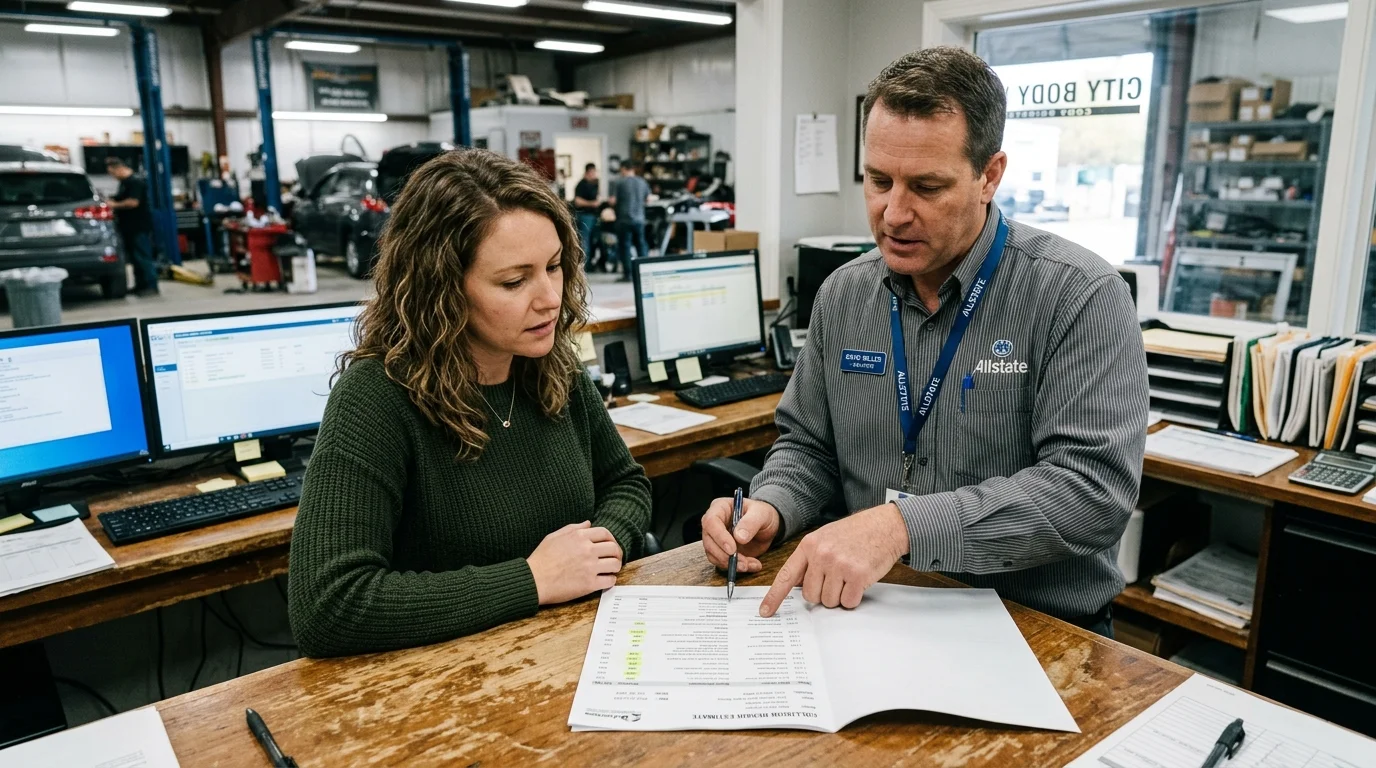
But adjusters don't always make that clear. They'll say things like "we can only guarantee the work at our network shop" or "the process will be faster if you use our recommended facility." Those statements are designed to steer you away from a right you already have.
What the Law Actually Says
State insurance regulations ban insurers from requiring policyholders to use a specific repair shop. In California, Insurance Code Section 758.5 explicitly prohibits steering. In New York, Regulation 64 does the same. Every state has an equivalent.
If an adjuster tells you that you "must" or "need to" use a particular shop, that's a violation. You can report it to your state's Department of Insurance.
Why Insurance Companies Push Their Preferred Shops
Insurance companies have Direct Repair Programs (DRPs) — agreements with body shops that guarantee the insurer discounted rates. DRP shops agree to follow the insurer's pricing guidelines, which often means lower labor rates and more aftermarket parts.
- Labor rate caps. DRP agreements often set maximum labor rates $10 to $15 below what independent shops charge. Lower rates can mean rushed work.
- Parts restrictions. DRP shops may be required to use aftermarket or recycled parts whenever the insurer approves it, even when OEM parts would do a better job.
- Cycle time pressure. Insurers track how quickly DRP shops finish repairs. Speed targets can conflict with doing thorough work on complex structural damage.
Why an Independent Shop Might Be Worth It
An independent body shop works for you, not the insurance company. They'll write the estimate based on what the repair actually needs — not what an insurer's cost guidelines allow.
What to Look For
- I-CAR Gold Class certification. Only about 20% of body shops in the US hold this designation. It means the shop's technicians are trained on current repair procedures.
- OEM certifications. Shops certified by specific manufacturers — Honda ProFirst, Ford Aluminum, Tesla — have invested in specialized training and equipment.
- Warranty terms. Reputable shops offer lifetime warranties. Ask whether it covers paint, structural repairs, and parts separately.
- Online reviews. Look at Google and Yelp, but focus on how the shop handles complaints. A shop that resolves problems publicly is usually one you can trust.
What to Do If Your Insurer Pushes Back
Sometimes insurers make things harder when you choose your own shop. They may delay sending an adjuster, dispute the shop's estimate, or claim the rates are "above prevailing rates."
- Get everything in writing. If an adjuster says your shop's rate is too high, ask them to provide their prevailing rate survey data in writing. Many can't — the data often doesn't support their position.
- Ask your shop to negotiate directly. Experienced independent shops deal with insurance companies every day. They know how to write supplements and fight rate disputes.
- File a complaint. If the insurer is dragging their feet or refusing to pay reasonable charges, file a complaint with your state Department of Insurance.
"Your car, your choice. The insurance company pays the bill, but you decide where the work gets done. Don't let anyone tell you otherwise."
Sources
- Insurance Information Institute — auto insurance claims statistics
- National Association of Insurance Commissioners — state insurance commissioner consumer resources
- Federal Trade Commission — Auto Warranties — consumer rights regarding auto repair and warranties
- Insurance Information Institute — insurance guidance for consumers