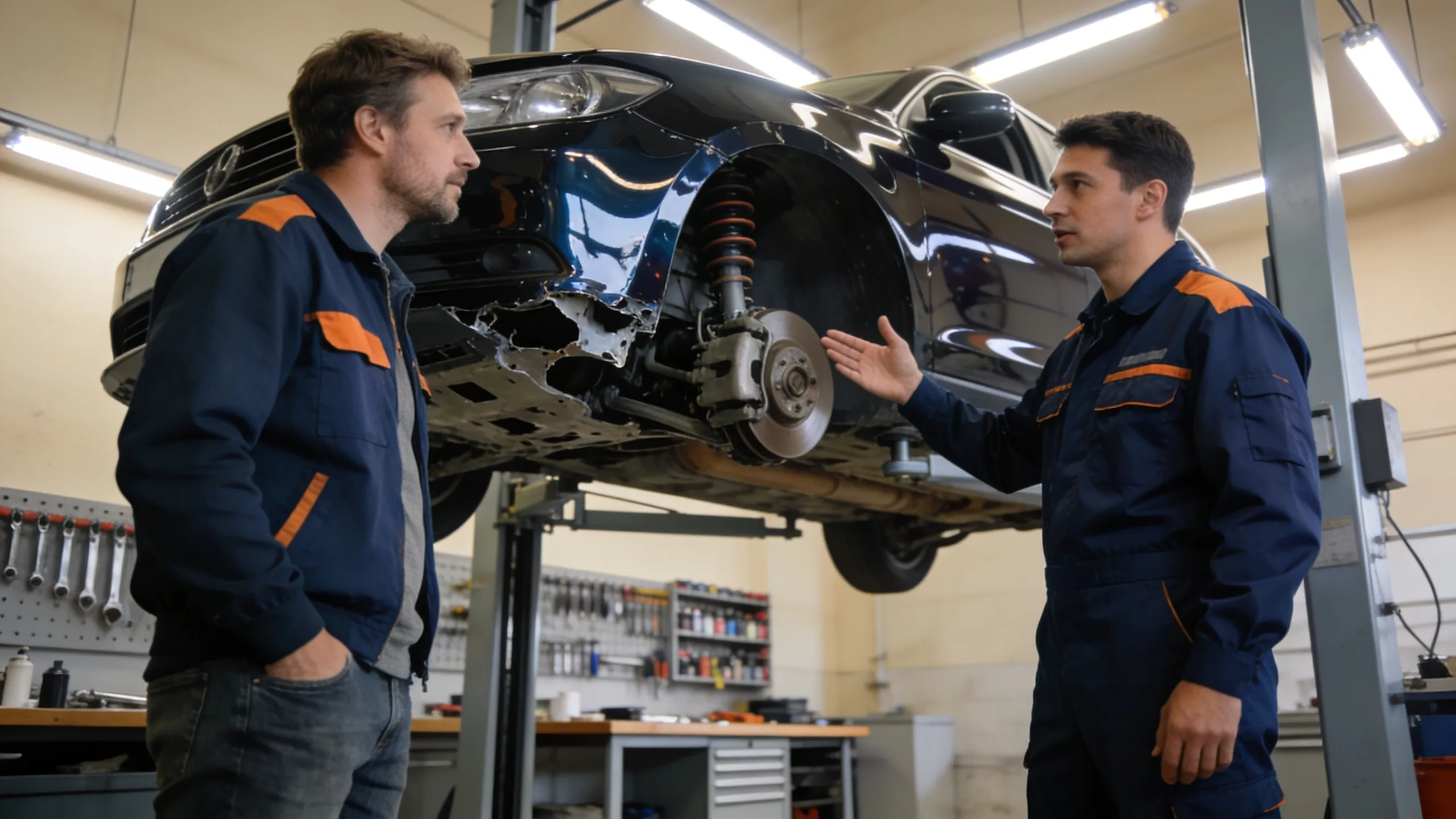
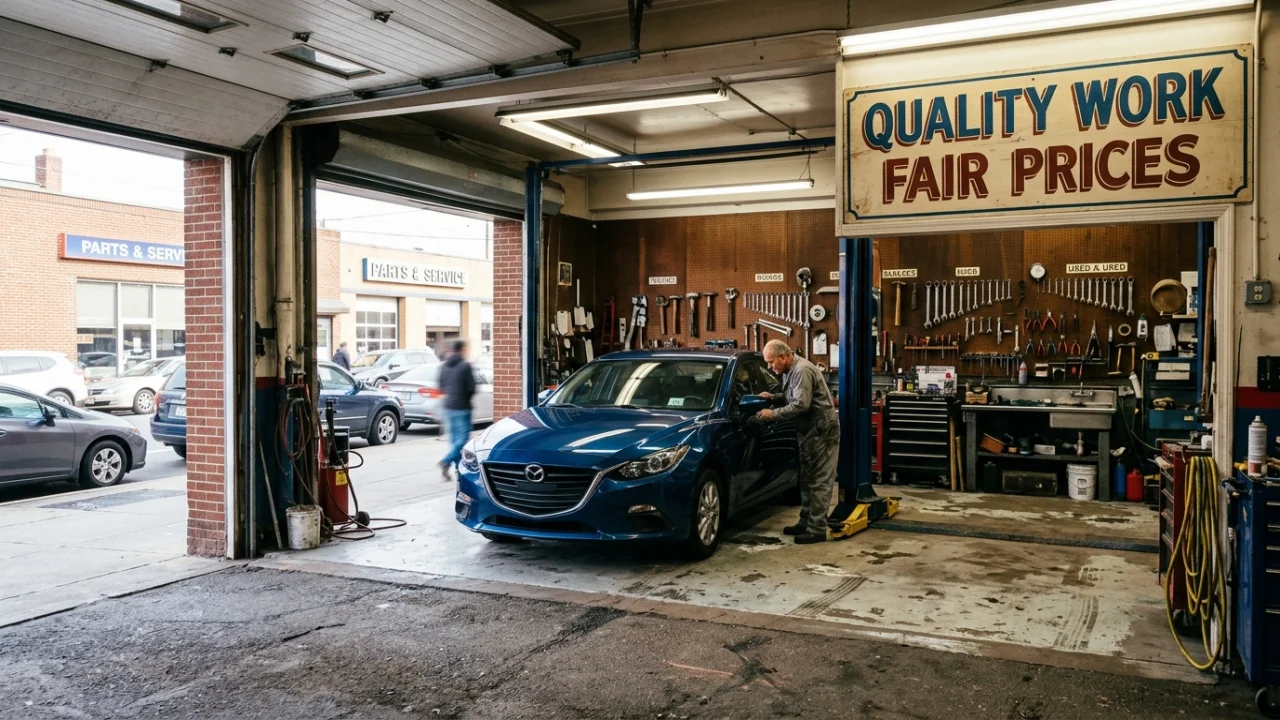
A cheap auto body shop can deliver a perfectly good repair — the key is knowing what separates an affordable shop from one that cuts corners. The national average collision repair now runs about $4,700 per job (CCC Intelligent Solutions, 2025 Crash Course Report), which means most car owners are actively looking for ways to spend less. The good news is that price differences between shops often reflect overhead and location rather than skill. Independent shops with lower rent, no franchise royalties, and owner-operators doing the work frequently charge 20% to 40% less than chain competitors for identical repairs.
Key Takeaways
- Independent body shops typically charge 20–40% less than national chains because of lower overhead, not lower skill — many employ the same I-CAR trained technicians.
- Only about 10% of the roughly 105,000 body shops in the U.S. hold I-CAR Gold Class certification (I-CAR 2025 Impact Report), so finding one at a budget price is a genuine quality signal.
- A written estimate with line-item parts pricing (OEM vs aftermarket vs recycled) is the single most important document to get before authorizing any work.
- For scratches, small dents, and scuffs, DIY products costing $10–$50 can eliminate the body shop visit entirely.
- Estimates that come in 30–50% below the average for the same repair almost always mean shortcuts in prep, paint, or parts.
Why "Cheap" Doesn't Automatically Mean "Bad"
The collision repair industry has a wide pricing spread that has more to do with business economics than craftsmanship. A Caliber Collision or Crash Champions location in a commercial corridor pays commercial rent, corporate management salaries, and insurance overhead that gets baked into every estimate. An independent shop operating from an industrial park with two bays and the owner working alongside one or two technicians can often do the same repair for significantly less because those fixed costs don't exist.
Labor rates illustrate this directly. In Southern California, body shop labor rates range from $56 per hour in Van Nuys to $98 per hour in West Hollywood — a 75% gap for the exact same type of work (Otto, "SoCal Auto Body Repair Costs," 2026). That price difference reflects real estate and zip code, not whether your bumper gets sanded properly before paint.
The same dynamic applies nationwide. Rural and suburban independents commonly bill $65–$90 per hour for collision work, while chain shops in metro areas charge $120–$160 (Relux Collision, "How Much Do Body Shops Usually Charge," 2025). Since labor accounts for over half of every collision repair dollar, the shop's hourly rate is the single biggest lever on your final bill.
Green Flags: Signs a Budget Shop Does Quality Work
Finding an affordable shop that does the job right comes down to verifiable indicators, not guesswork. Look for these before you hand over your keys.
I-CAR Gold Class certification
Only about 10% of body shops nationwide hold I-CAR Gold Class recognition, which requires ongoing technician training and facility standards (I-CAR, 2025 Impact Report). Finding a Gold Class shop that also happens to be affordable is the sweet spot. These shops have invested in training, which means they're less likely to cut corners. Check the I-CAR locator at i-car.com to verify any shop's claim. If a shop says they have been through how to choose an auto body shop quality checklists, ask to see the certificate.
Written warranty on repairs
Any shop confident in its work will offer a written warranty — typically one year minimum on paint and body work, with many quality independents offering lifetime warranties on structural repairs. If a shop won't put warranty terms in writing, walk away regardless of the price.
Transparent parts sourcing
A good budget shop will tell you exactly which parts they plan to use and present the options. OEM parts from the vehicle manufacturer cost the most. Aftermarket parts (made by third-party manufacturers to OEM specifications) cost 20–50% less and are perfectly acceptable for most cosmetic repairs. Recycled OEM parts pulled from salvage vehicles offer original-manufacturer quality at aftermarket prices. The shop should list part types and sources on the estimate — if it just says "bumper cover" with no further detail, ask.
Clean, organized facility
A shop doesn't need to be new or pretty, but it should be organized. Dust control matters for paint quality. Tool organization reflects work discipline. A shop with cars parked outside for weeks and no visible workflow system is a shop where your car may sit untouched longer than promised.
Red Flags: When a Low Price Means Low Quality
Some shops are cheap for the wrong reasons. These warning signs should stop you from authorizing the repair regardless of the price tag.
Estimates 30–50% below everyone else
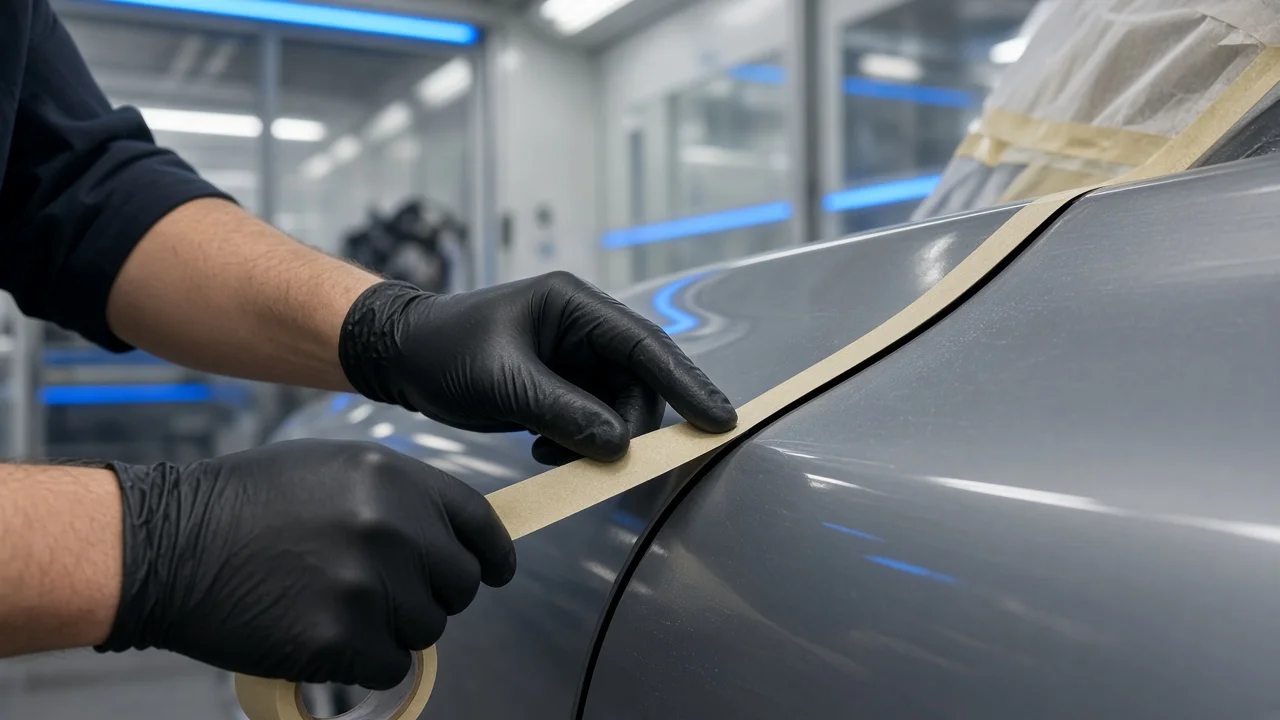
If three shops quote $2,800 for a quarter panel repair and one quotes $1,400, that shop is planning to skip steps. Common shortcuts include skipping primer, using single-stage paint instead of basecoat/clearcoat, not removing trim before painting (taping over it instead), and using the cheapest aftermarket parts available regardless of fit quality. The repair might look fine for a few months. After a year, the paint peels, the bumper gaps widen, and the cost to redo it properly exceeds what you saved.
No written estimate or vague line items
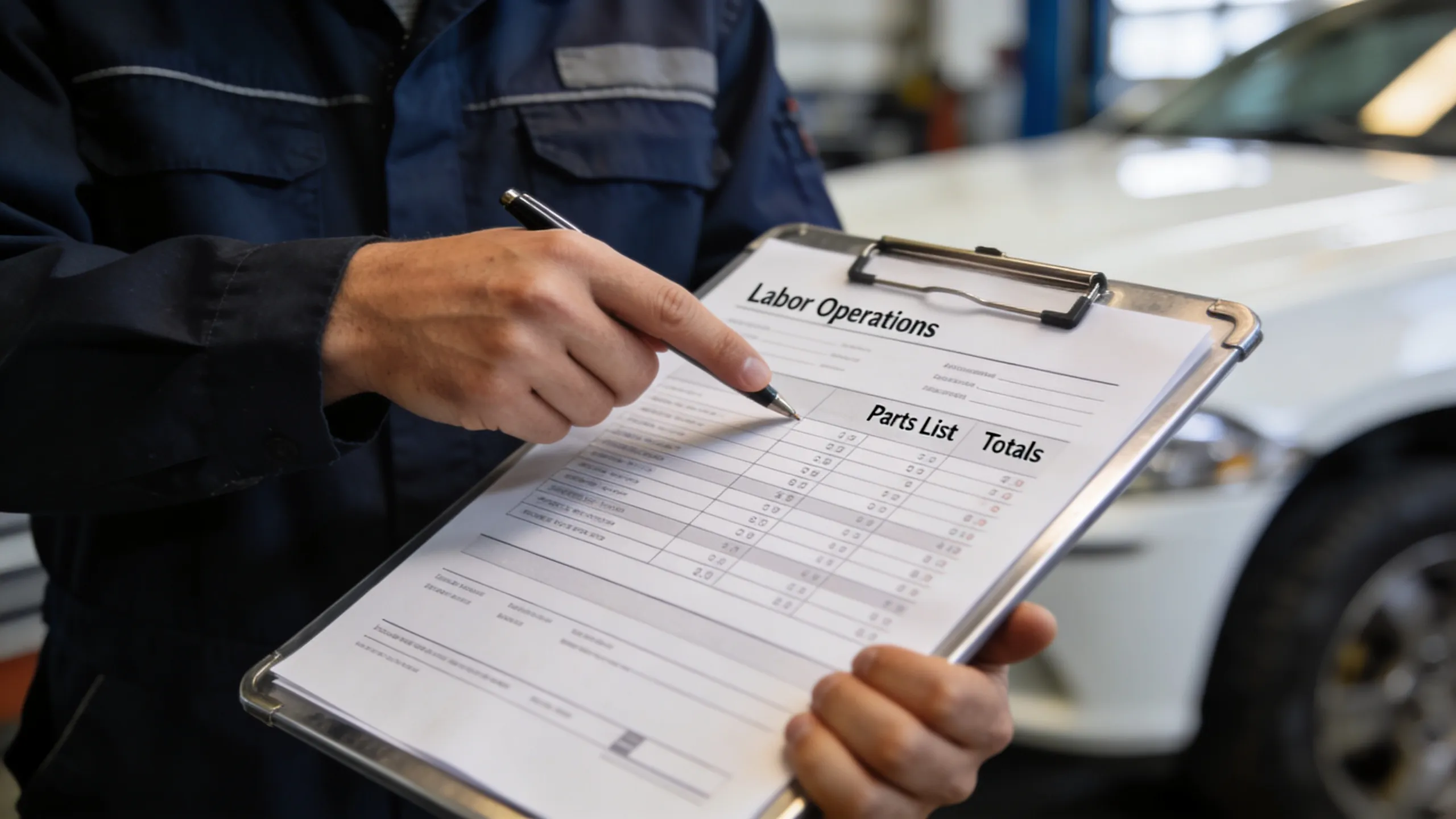
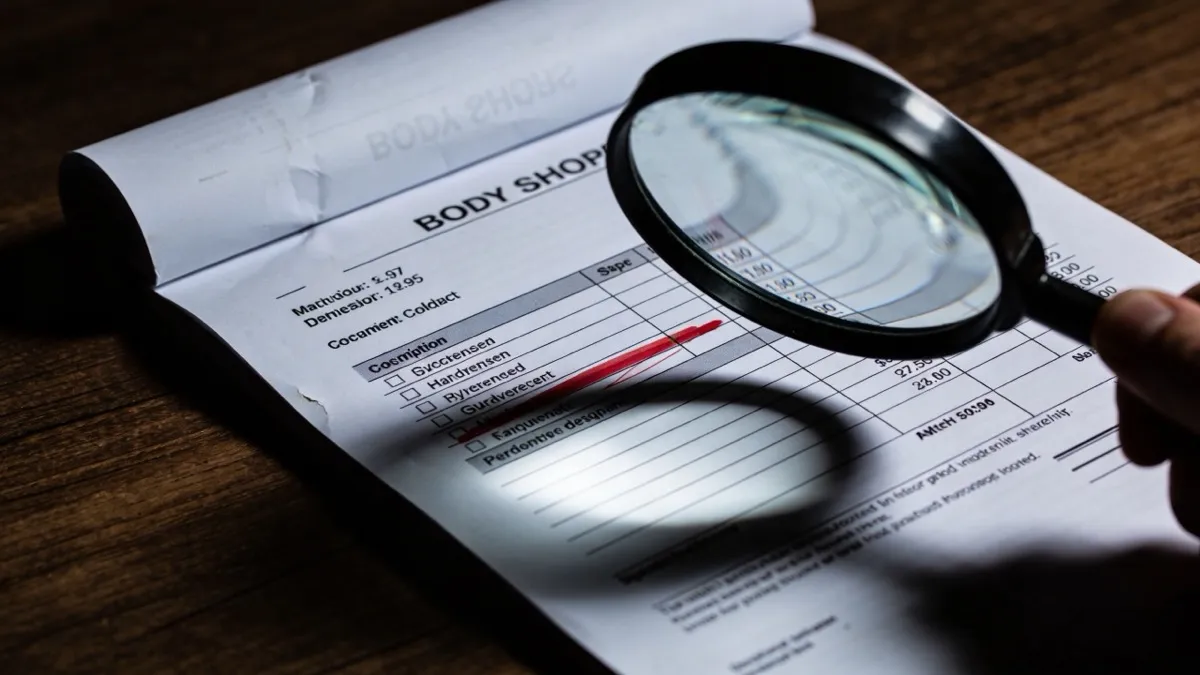
A verbal quote or a one-line estimate that says "repair and paint rear bumper — $800" tells you nothing about what work is being done, what parts are being used, or how many labor hours the shop is allocating. Reputable shops provide detailed, line-item estimates that specify each operation. This is standard practice outlined in guides like our collision repair estimate guide. No estimate means no accountability.
Pressure to decide immediately
A shop that pushes you to authorize work on the spot, especially before you've gotten other estimates, is a shop that doesn't want you comparing prices. Quality shops understand you need time to evaluate options and deal with your insurance company.
No visible certifications or credentials
Legitimate shops display their I-CAR certification, ASE credentials, state licensing, and OEM certifications where customers can see them. If a shop can't produce evidence of any professional certifications when asked, the low price isn't a bargain — it's a gamble.
Poor communication and evasiveness
If a shop can't clearly explain what's wrong with your car, what they plan to do about it, and how long it will take, that's a problem regardless of price. Good technicians understand their work well enough to explain it in plain language. Evasiveness about parts sourcing, timeline, or warranty terms is a red flag worth heeding. Check our guide on body shop estimate red flags for a deeper dive.
How to Negotiate a Better Price Without Sacrificing Quality
Most body shop pricing is more flexible than people realize, especially at independent shops where the owner sets the rates. These approaches can lower your bill without lowering the repair quality.
Ask about aftermarket or recycled parts
If the initial estimate uses all OEM parts, ask what the price would be with aftermarket or recycled alternatives for cosmetic components. Bumper covers, fenders, hoods, and mirrors are the most common candidates. Structural and safety components should stay OEM unless you're comfortable with the certified aftermarket alternative. This single conversation can shave 15–30% off a parts-heavy estimate.
Bundle related work
If your car has multiple areas of damage — say a dented fender and a scratched bumper — repairing everything at once costs less than two separate visits. The shop saves on setup, masking, and paint mixing time. Ask for a bundled quote and compare it to the sum of individual repairs.
Pay cash or check for payment discounts
Some independent shops offer a small discount (5–10%) for cash or check payment because they avoid credit card processing fees. This is more common at smaller shops than chains, and it's worth asking.
Compare at least three estimates
This is the most effective leverage you have. Three estimates give you a clear picture of the market rate for your specific repair in your area. When a shop knows you're comparing, they're more likely to sharpen their pencil on line items where they have flexibility. Mix in at least one chain and one independent shop to see the range.
When to Skip the Body Shop Entirely: DIY for Minor Damage
Not every scratch, scuff, or ding requires a professional shop visit. For minor cosmetic damage that hasn't broken through the clear coat or caused structural issues, DIY products can deliver acceptable results for a fraction of body shop pricing.
Surface scratches and scuffs — A quality scratch remover compound ($10–$20) can buff out clear coat scratches in 15 minutes. Products from Meguiar's, 3M, and Chemical Guys work well on surface-level damage. If you can't feel the scratch with your fingernail, it's likely a clear coat scratch that compound can handle.
Small dents without paint damage — DIY dent repair kits with suction cups and glue pullers ($20–$50) can remove parking lot door dings and minor hail dents without affecting the paint. Paintless dent repair (PDR) is the same technique professionals use, just at a smaller scale.
Touch-up paint for chips and deep scratches — For scratches that have reached the primer or bare metal, a color-matched touch-up paint pen ($15–$30) prevents rust and makes the damage less visible. It won't be invisible, but it protects the panel until you're ready for a professional repaint.
The threshold for DIY is simple: if the damage is cosmetic, smaller than a credit card, and hasn't bent or creased the metal, a DIY fix is worth trying first. Anything beyond that — creased metal, structural damage, cracked bumpers, or damage you're claiming through insurance — belongs at a professional auto body repair shop.
How to Use Online Reviews Without Getting Misled
Online reviews are the most common way people find body shops today, but they require a critical eye. A 4.8-star rating with 200 reviews is more meaningful than a 5.0 with 12 reviews. Look for reviewers who describe specific repairs (not just "great service!"), mention parts used, and post before-and-after photos.
Be wary of shops where every review reads like marketing copy or where there's a sudden cluster of five-star reviews after a period of lower ratings. Learn how to spot fake body shop reviews and understand what star ratings really mean before relying on them as your primary decision tool.
Beyond Google and Yelp reviews, check whether the shop appears in your insurance company's direct repair program (DRP) network. DRP shops have met the insurer's quality and service standards, which is an independent verification layer. That said, you always have the right to choose any shop — DRP or not — for your collision repair.
The Bottom Line: What a Quality Budget Repair Looks Like
A genuinely good cheap body shop has a few consistent characteristics: the owner or manager walks you through the estimate line by line, identifies exactly which parts will be used and why, provides a written warranty, and doesn't rush you into a decision. The facility doesn't need granite countertops, but it should be clean and organized with a functional paint booth.
The price will be lower than chain shops — often 20% to 40% less — because the overhead is lower, not because the work is worse. The technicians may have the same I-CAR training as chain technicians. The difference is that your money goes toward labor and materials instead of corporate overhead, franchise fees, and marketing budgets.
Start your search with our directory, compare at least three shops, read the estimate carefully, and verify the warranty in writing. That process takes a couple of hours and can save you hundreds of dollars without any sacrifice in repair quality.
Sources
- I-CAR (Inter-Industry Conference on Auto Collision Repair) — collision repair industry training standards
- NHTSA Vehicle Safety — federal vehicle safety and crashworthiness standards
- Federal Trade Commission — Auto Warranties — consumer rights regarding auto repair and warranties
- Insurance Information Institute — insurance guidance for consumers
Frequently Asked Questions
Are cheap auto body shops safe to use?
Yes, many affordable body shops deliver safe, high-quality repairs. Price differences between shops often reflect overhead costs like rent, franchise fees, and staffing models rather than skill level. The key is verifying quality indicators: I-CAR Gold Class certification, a written warranty, transparent parts sourcing, and a clean organized facility. A cheap shop with these credentials is a better bet than an expensive shop without them.
How much cheaper are independent body shops compared to chains?
Independent body shops typically charge 20% to 40% less than national chains like Caliber Collision, Crash Champions, or Gerber Collision for the same repair. The difference comes from lower commercial rent, no corporate management overhead, and no franchise royalties. Labor rates at independents commonly range from $65 to $90 per hour compared to $120 to $160 at chain locations in metro areas, and since labor is over half of every repair bill, the savings add up quickly.
What should I look for on a body shop estimate to avoid getting ripped off?
Look for line-item detail showing each operation separately: disassembly, metalwork, prep, prime, paint, reassembly, and blend. Parts should be listed individually with the type specified — OEM, aftermarket, or recycled. Labor hours should be itemized per operation. Paint and materials should be a separate line. If the estimate is one lump sum with no breakdown, request a detailed version before authorizing work. Compare the total labor hours against the other estimates you collected.
Is it worth getting aftermarket parts instead of OEM to save money?
For cosmetic components like bumper covers, fenders, hoods, and mirrors, quality aftermarket parts are a reasonable way to save 20–50% on parts costs. Certified aftermarket parts from CAPA (Certified Automotive Parts Association) or NSF-certified alternatives meet fit and function standards. For structural components, safety systems, and anything involving airbag deployment zones, OEM parts are the safer choice. Your shop should explain the trade-offs for your specific repair so you can make an informed decision.
When should I just do the repair myself instead of going to a body shop?
DIY is a good option for surface scratches that haven't broken through the clear coat (use a rubbing compound, $10–$20), small parking lot dents without paint damage (use a suction cup or glue puller kit, $20–$50), and paint chips that need touch-up protection against rust (use a color-matched paint pen, $15–$30). Go to a professional shop for any damage involving creased or bent metal, cracked bumpers, structural damage, damage larger than a credit card, or any repair you plan to claim through insurance.