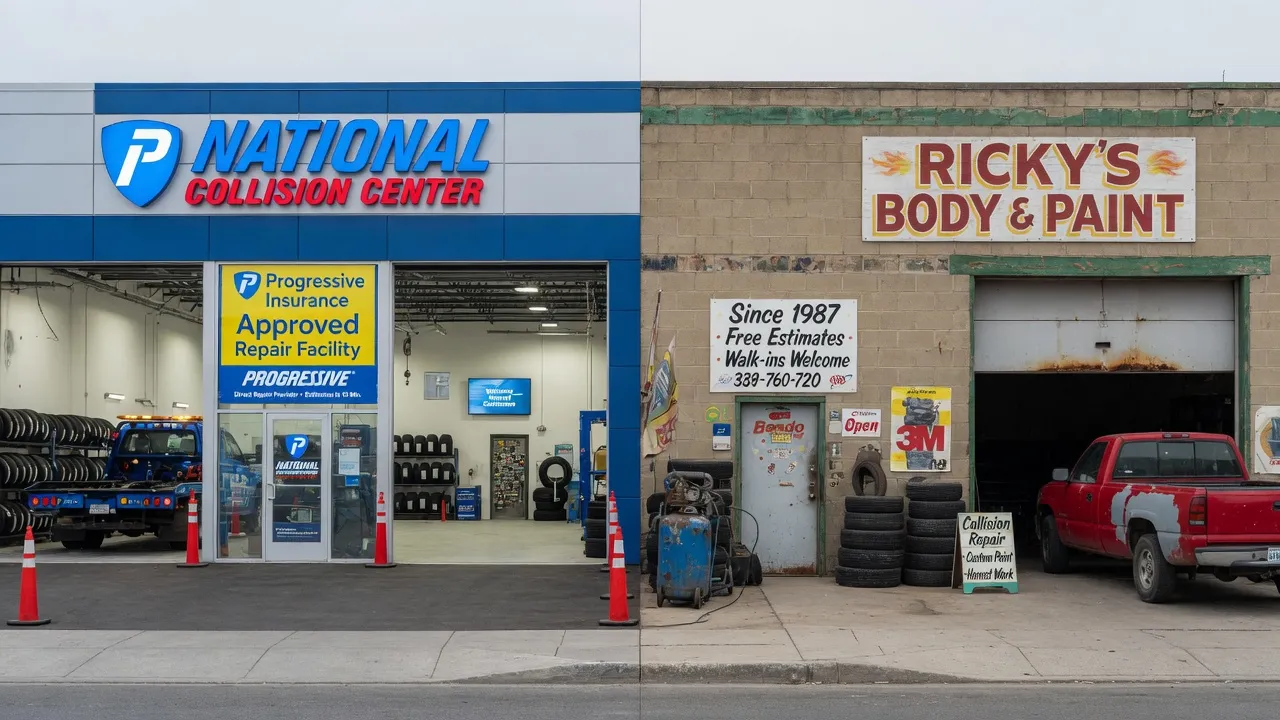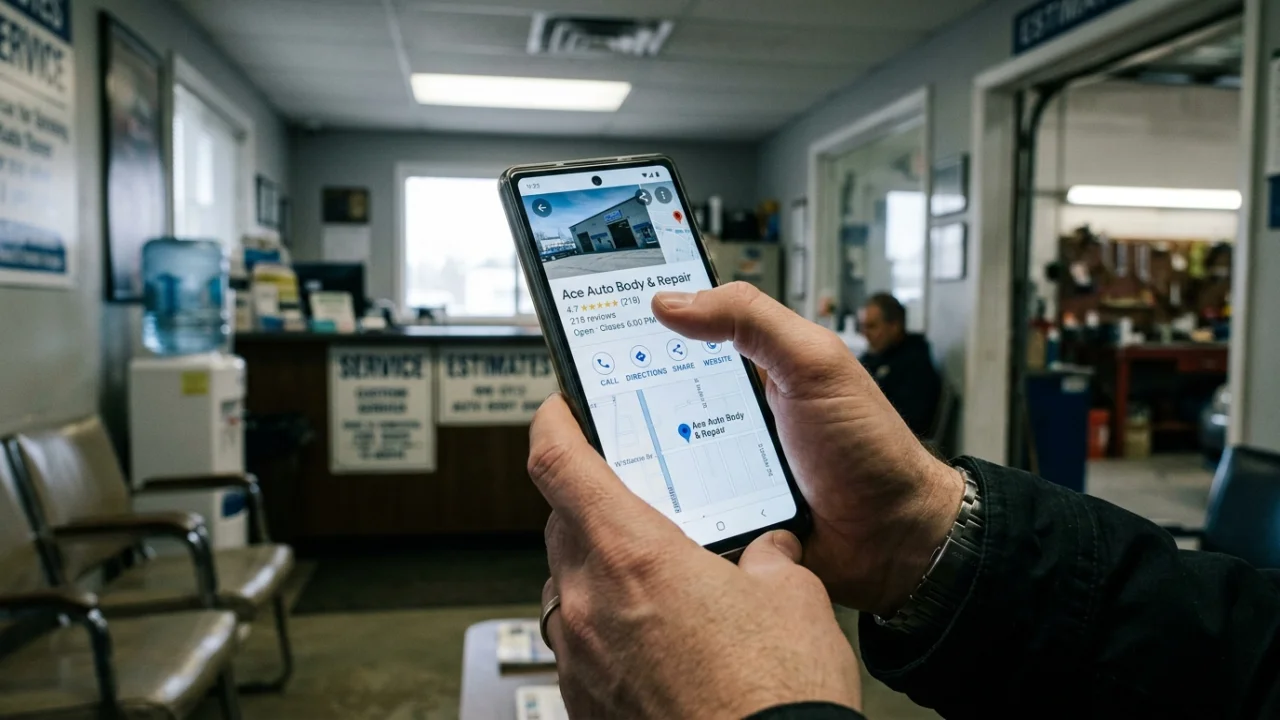
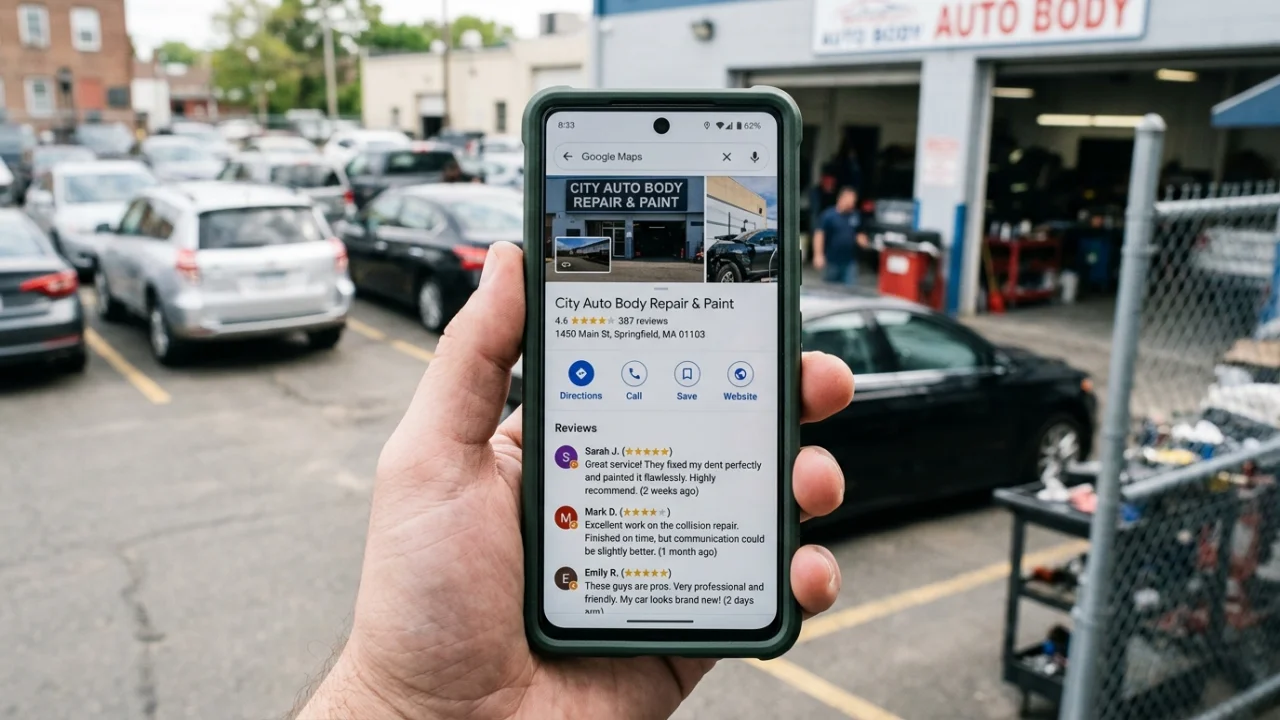
A body shop's star rating measures customer satisfaction with the overall experience — not the technical quality of the repair. A shop with a 4.8-star average may have friendly front desk staff, a clean waiting room, and fast turnaround, but that tells you nothing about whether the frame straightening was done to spec or whether the paint match will hold up in six months. Star ratings are a useful starting point, but they can mislead you if you treat them as a quality guarantee.
Key Takeaways
- Star ratings primarily reflect customer service, communication, and convenience — not repair accuracy or structural quality.
- Google has the highest fake review rate among platforms at 10.7%, and an estimated 30% of all online reviews may be fabricated or manipulated (WiserReview, 2026).
- A shop with fewer reviews but detailed, specific feedback is often more trustworthy than one with hundreds of generic five-star reviews.
- Look beyond stars: I-CAR Gold Class certification, OEM certifications, and how the shop responds to negative reviews reveal more about repair quality than the rating number.
What Star Ratings Actually Measure
When someone leaves a five-star review for a body shop, they're almost always rating the experience of being a customer, not the technical outcome of the repair. Most car owners cannot evaluate whether a weld was done properly, whether the paint thickness is within manufacturer specifications, or whether the structural alignment meets pre-accident tolerances. What they can evaluate is whether the staff was polite, the car was ready on time, the shop communicated clearly about delays, and the car looked clean when they picked it up.
This means a shop can earn a perfect rating while consistently cutting corners on things most customers would never notice. Aftermarket parts substituted for OEM without disclosure, skipped corrosion protection steps, or improper blending on adjacent panels — none of these show up in a Google review because the customer doesn't know to look for them. The paint looked good on pickup day, and that's what the review reflects.
Conversely, a meticulous shop that takes extra days to source the correct OEM parts, insists on proper cure times between paint stages, and performs post-repair quality inspections may earn lower ratings simply because the repair took longer than expected. The customer wanted their car back in three days; the shop needed five to do it right. That difference often shows up as a 3-star review complaining about the timeline.
Why a 4.8-Star Shop Might Still Disappoint You
High ratings can create false confidence. Insurance companies know this — shops in Direct Repair Programs (DRPs) are incentivized to prioritize speed and customer satisfaction scores over repair thoroughness, because those metrics drive referral volume. A DRP body shop that processes 200 cars a month with a 4.8 average and fast cycle times will get more insurer referrals than a 4.3-star shop that takes twice as long but produces structurally superior repairs.
Some patterns that inflate ratings without reflecting quality:
- Review solicitation timing. Shops that request reviews at pickup — when the car looks great and the customer is relieved — capture the emotional high point. Issues like paint peeling, misaligned panels, or water leaks often emerge weeks or months later, but the five-star review is already posted.
- Selective solicitation. Some shops only ask happy customers for reviews and quietly handle complaints offline, which skews the visible rating upward.
- Generic praise. Reviews saying "great service, fast turnaround, friendly staff" without mentioning the actual repair work indicate the customer is rating hospitality, not craftsmanship.
Why a 4.2-Star Shop Might Be Your Best Option
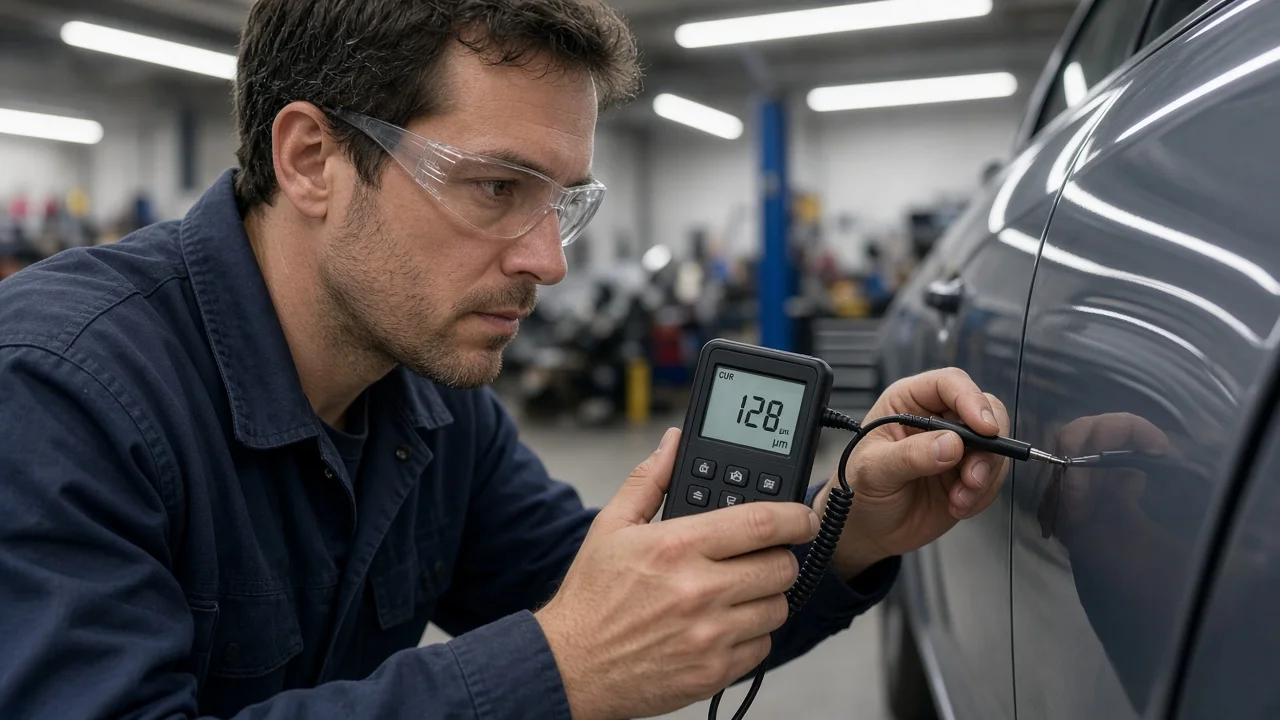
Lower-rated shops sometimes earn their middling scores for reasons that have nothing to do with repair quality. A shop that refuses to rush a repair, pushes back when an insurer tries to authorize aftermarket parts on a newer vehicle, or gives honest timelines rather than optimistic ones may frustrate customers who wanted speed and agreeability. But those are exactly the behaviors that produce better repairs.
Read the negative reviews carefully. If the complaints are about slow turnaround, poor communication, or an unimpressive waiting area, that's a different story than complaints about paint defects, recurring mechanical issues, or parts falling off. A shop with a 4.2 rating where the negatives are all about "took too long" might be the most thorough shop in your area.
What to Look for Beyond the Star Number
To make star ratings useful, you need to read past the number and into the content. Here's what actually signals quality when you're trying to choose a collision repair shop:
Review content over review count
A shop with 50 detailed reviews describing specific repair work is more informative than one with 500 reviews that all say "great job." Look for reviews that mention the type of repair (fender replacement, frame straightening, paint matching), the vehicle make and model, and the outcome weeks or months later. These indicate real customers with real results.
How the shop responds to negative reviews
A shop that responds to criticism with specifics ("We're sorry the bumper alignment wasn't right — please bring it back and we'll correct it at no charge") demonstrates accountability. A shop that responds with generic copy-paste responses or argues with customers is showing you how they'll handle your complaint if something goes wrong.
Certifications that star ratings can't replace
I-CAR Gold Class certification means the shop has invested in ongoing technician training across multiple repair disciplines. Only about 20% of body shops in the U.S. hold this certification. OEM certifications (Honda ProFirst, Toyota Certified Collision Center, Tesla Approved Body Shop) mean the shop has met the manufacturer's equipment and training standards for your specific vehicle. No number of five-star reviews can substitute for these verifiable credentials.
Platform differences matter
Google has the highest fake review rate at 10.7%, compared to Yelp at 7.1% (WiserReview, 2026). Yelp's algorithm aggressively filters reviews it suspects are solicited, which is why many legitimate businesses have lower Yelp ratings than Google ratings. BBB ratings use a letter-grade system based on complaint resolution, not customer satisfaction, so an A+ BBB rating and a 3.5-star Google rating can coexist on the same shop. Cross-reference at least two platforms before drawing conclusions.
The Review Volume Problem
A shop with 15 reviews and a 4.9 average is statistically less reliable than a shop with 300 reviews and a 4.4 average. Small sample sizes are easily manipulated — a shop owner asking five friends to post reviews can swing a 15-review profile dramatically. The FTC fined over 700 businesses for fabricated endorsements in recent enforcement actions, and Google removed or blocked more than 240 million policy-violating reviews in 2024 alone.
When evaluating volume, look for consistent review frequency over time. A shop that gets 2-3 reviews per month for the past three years has a more trustworthy profile than one that suddenly received 40 reviews in a single month. If you want to dig deeper into identifying manipulated reviews, see our guide on how to spot fake reviews.
A Practical Approach to Using Ratings
Star ratings work best as a filter, not a verdict. Use them to eliminate the obviously bad (below 3.5 stars with consistent quality complaints) and to build a shortlist, then evaluate the shortlist on criteria that actually predict repair quality: certifications, the content of detailed reviews, how the shop handles estimates and parts sourcing, and whether they'll let you see the repair bay. If you're looking for quality on a budget, our guide on how to find a good cheap body shop walks through the process step by step.
The most reliable signal isn't on any review platform at all. Ask your insurer which shops have the lowest supplement and rework rates in your area — that data measures actual repair quality, not customer sentiment. And when you visit the shop, look at the cars in the lot: if a shop that handles auto body repair has vehicles sitting with visible overspray, mismatched panels, or rough bodywork, the star rating on Google is irrelevant.
Sources
- Federal Trade Commission — Auto Warranties — consumer rights regarding auto repair and warranties
- Insurance Information Institute — insurance guidance for consumers
Frequently Asked Questions
Is a 4.5-star body shop better than a 4.0-star body shop?
Not necessarily. The half-star difference often reflects customer service quality rather than repair quality. A 4.0-star shop with negative reviews about slow turnaround but praise for the actual repairs may produce better work than a 4.5-star shop where customers love the free coffee and fast service but never mention the repair itself. Read the review content, not just the number.
How many Google reviews should a body shop have to be trustworthy?
There's no hard threshold, but shops with fewer than 30 reviews are more susceptible to rating manipulation. Look for consistent review frequency over 12 or more months rather than a burst of reviews in a short period. A shop with 80 reviews accumulated steadily over three years is more trustworthy than one with 200 reviews where half arrived in a single quarter.
Do insurance companies use star ratings to choose DRP shops?
Yes. Insurance companies evaluate Google ratings and review volume as part of DRP program approval and renewal. Shops with ratings below 4.0 or fewer than 150 reviews are frequently passed over in favor of competitors with stronger profiles. This creates an incentive for DRP shops to prioritize the metrics that drive ratings — speed and communication — over repair thoroughness.
Why does the same body shop have different ratings on Google and Yelp?
Google and Yelp use different review filtering algorithms. Yelp aggressively filters reviews it suspects are solicited or inauthentic, which often removes legitimate positive reviews and lowers the visible rating. Google is less aggressive with filtering but has a higher fake review rate at 10.7% compared to Yelp's 7.1%. BBB uses a letter-grade system based on complaint resolution, not customer satisfaction at all. Always check at least two platforms for a balanced picture.
What's the single best indicator of body shop quality beyond star ratings?
I-CAR Gold Class certification is the strongest widely-available quality indicator. It requires ongoing technician training across structural repair, refinishing, and estimating, and only about 20% of U.S. body shops maintain it. For specific vehicle makes, OEM certifications (such as Honda ProFirst or Tesla Approved Body Shop) verify that the shop has the equipment and training for your car. These certifications require investment that review-gaming cannot replicate.