The best windshield repair kit for most drivers is the Permatex 09103, which uses a bridge-style vacuum injector to fill chips and star breaks up to 1.25 inches in diameter for under $15. A good DIY kit can stop a small chip from spreading into a full crack that requires a $300–$500 replacement, but no kit will make the damage invisible. Expect a 60–80% visibility reduction on a clean repair. For chips smaller than a quarter that are not in your direct line of sight, a $10–$20 kit is a smart first move before the damage gets worse.
Key Takeaways
- DIY windshield repair kits cost $8–$20 and can prevent a $300–$500 windshield replacement if you catch the chip early.
- Permatex 09103 is the best overall kit, with a bridge-style applicator that creates professional-quality vacuum pressure for around $13.
- Rain-X 600001 is the easiest to use for beginners and handles both chips under 1 inch and cracks up to 12 inches.
- Only repair chips smaller than a quarter (about 1 inch) that are not in the driver's direct line of sight or within 2 inches of the windshield edge.
- Temperature matters: resin cures best between 50°F and 95°F. Don't attempt a repair in direct sunlight or freezing weather.
What a Windshield Repair Kit Actually Does
Every windshield repair kit works on the same basic principle: force clear resin into the damaged area, push out trapped air, and cure the resin with UV light so it bonds with the glass. The resin fills the void left by the impact and restores most of the structural integrity at the damage point. It doesn't make the chip disappear completely , even a perfect repair leaves a faint mark , but it stops the crack from spreading and prevents moisture and debris from getting between the glass layers.
Modern windshields are laminated safety glass: two layers of glass bonded to a plastic interlayer. When a rock hits your windshield, it typically damages only the outer layer. A repair kit works by filling that outer-layer void before the crack can propagate through temperature changes, road vibration, or another impact. The longer you wait, the more dirt and moisture contaminate the break, and the worse the repair result. Ideally, repair within 24–48 hours of the chip appearing.
For a deeper look at which types of damage are repairable and which require full replacement, see our windshield repair vs replacement guide.
Best Windshield Repair Kits Compared
Permatex 09103 Windshield Repair Kit , Best Overall
The Permatex 09103 consistently ranks as the top windshield repair kit across professional and consumer reviews, and for good reason. Its bridge-style applicator creates genuine vacuum pressure over the damage site, which pulls air out of the chip before pushing resin in. This two-step process , vacuum then pressure , is what separates a professional repair from a mediocre one, and the Permatex kit is the only sub-$15 option that does it properly.
- Price: $11–$15
- Repairs: Bull's-eye chips, star breaks, and combination breaks up to 1.25 inches
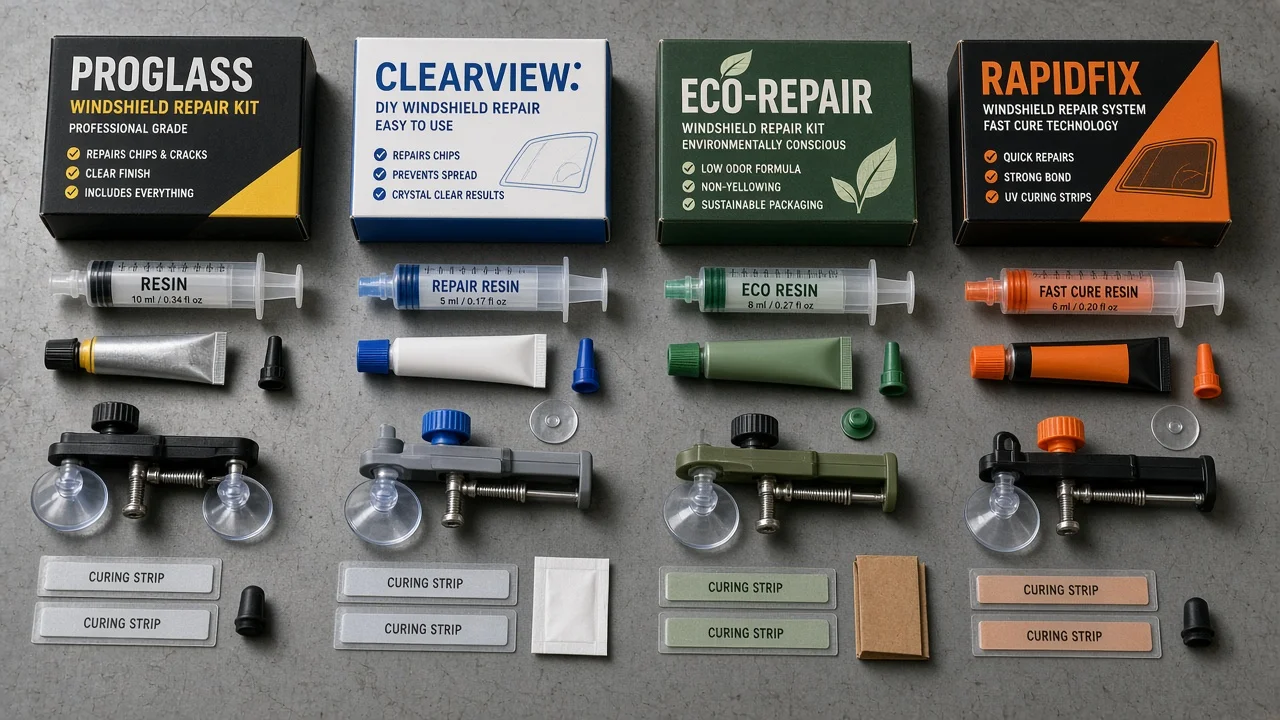
- Includes: Bridge applicator, resin syringe, curing strips, razor blade, instructions
- Best for: Any chip that falls within the repairable size range , this is the kit to reach for first
- Limitation: Single-use (one repair per kit); not designed for long cracks
The bridge applicator takes slightly more setup than simpler kits, but the extra 5 minutes of positioning produces a noticeably cleaner result. The resin is formulated to cure clear under UV light (sunlight works), and the included curing strips prevent the resin from running before it sets.
Rain-X 600001 Windshield Repair Kit , Best for Beginners
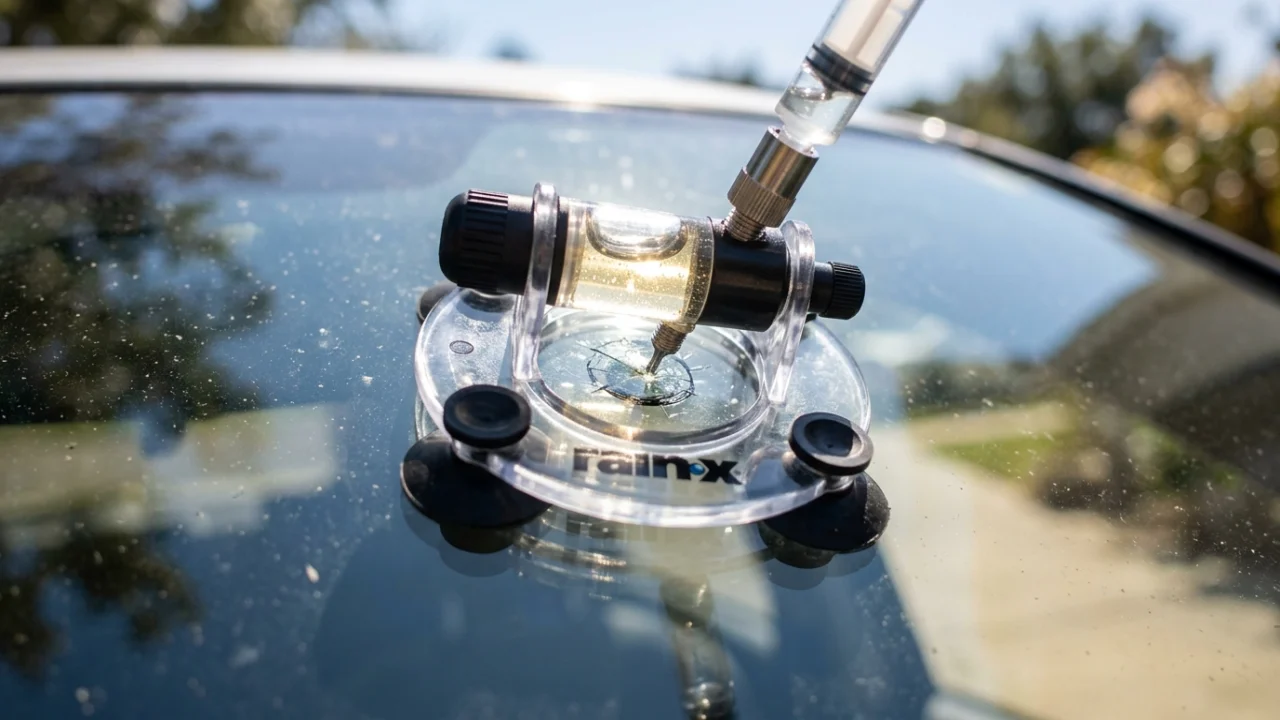
Rain-X simplified the windshield repair process down to its essentials. The 600001 kit uses a pedestal-style applicator with a pressure-driven syringe that requires minimal alignment. For someone who has never repaired a windshield before, this kit has the lowest learning curve of any option on the market.
- Price: $10–$13
- Repairs: Chips under 1 inch and cracks up to 12 inches
- Includes: Applicator device, resin, curing strips, razor blade
- Best for: First-time users who want a straightforward, hard-to-mess-up repair
- Limitation: The applicator feels less strong than the Permatex bridge; vacuum pressure isn't as strong
The Rain-X kit's ability to handle cracks up to 12 inches is a standout feature. Most kits focus on bull's-eye chips; the Rain-X resin flows well enough into linear cracks to at least stabilize them until you can get a professional assessment. That said, for cracks longer than 6 inches, consider this a temporary stabilization rather than a permanent fix.
Blue-Star Windshield Repair Kit , Best for Star Breaks
The Blue-Star kit is designed specifically for star-pattern breaks, which are among the most common windshield damage types but also the hardest to repair with a basic kit. Star breaks have multiple legs radiating from a central impact point, and the Blue-Star applicator is engineered to distribute resin evenly across all legs rather than just filling the center.
- Price: $10–$15
- Repairs: Star breaks, bull's-eye chips, and combination damage up to 1 inch
- Includes: Applicator, resin, curing film, alignment tool, razor blade
- Best for: Star-pattern breaks where resin distribution matters
- Limitation: Smaller repair range than Permatex or Rain-X; single-use
Blue-Star uses a slightly thinner resin formula that wicks into fine crack legs more effectively. This matters for star breaks because the legs of the star are often hairline-thin , thicker resins may not fully penetrate them, leaving visible lines even after curing. For a visual guide to identifying your damage type, see our types of windshield cracks breakdown.
3M Windshield Repair Kit , Best Budget Option
3M's windshield repair kit is the most basic option here, but for simple bull's-eye chips under 1 inch, it gets the job done for the lowest price. The kit uses a disc-style applicator that adheres directly to the glass around the chip, creating a sealed chamber for the resin.
- Price: $8–$11
- Repairs: Bull's-eye chips and small star breaks under 1 inch
- Includes: Adhesive disc applicator, resin, curing strip, razor blade
- Best for: Simple, small chips when you want the cheapest effective option
- Limitation: No vacuum mechanism; relies on gravity and pressure alone, so air bubbles are more likely
The trade-off with the 3M kit is that without a vacuum applicator, you're more likely to trap small air bubbles in the resin. On a simple bull's-eye chip, this is usually not a significant issue. On a star break with multiple legs, those bubbles can leave visible marks. For anything more complex than a single-point chip, spend the extra $3–$5 on the Permatex.
How to Use a Windshield Repair Kit: Step by Step
The process is the same regardless of which kit you buy. The difference between a clean repair and a messy one almost always comes down to preparation, not the kit itself.
Step 1: Clean the damage
Use the included pin or a thumbtack to gently remove any loose glass fragments from the chip. Don't dig into the damage , just clear debris from the surface. Wipe the area with rubbing alcohol on a lint-free cloth. Any dirt or moisture trapped in the chip will be sealed in permanently, so take your time here.
Step 2: Position the applicator
Center the applicator directly over the damage point. For bridge-style applicators (Permatex), this means aligning the resin port with the center of the chip. For pedestal-style (Rain-X), press the suction cup firmly until it locks. The seal must be airtight.
Step 3: Apply resin under pressure
Inject the resin according to the kit's instructions. With vacuum-style kits, pull the syringe to create negative pressure first (30–60 seconds), then push to inject resin under positive pressure. This push-pull cycle forces air out and resin in. Repeat 2–3 times for the cleanest result.
Step 4: Cure under UV light
Remove the applicator and place a curing strip over the wet resin. Park the car in direct sunlight for 15–30 minutes, or use a UV flashlight for 5–10 minutes. The resin will harden and bond with the glass. Don't move the car or touch the repair during curing.
Step 5: Scrape and clean
Once fully cured, use the included razor blade to scrape any excess resin flush with the glass surface. Scrape at a 45-degree angle to avoid scratching the surrounding glass. Clean with glass cleaner.
When NOT to DIY: Skip the Kit and Call a Pro
A repair kit is the right call for small, simple damage. But there are clear situations where DIY is a waste of money or actively dangerous:
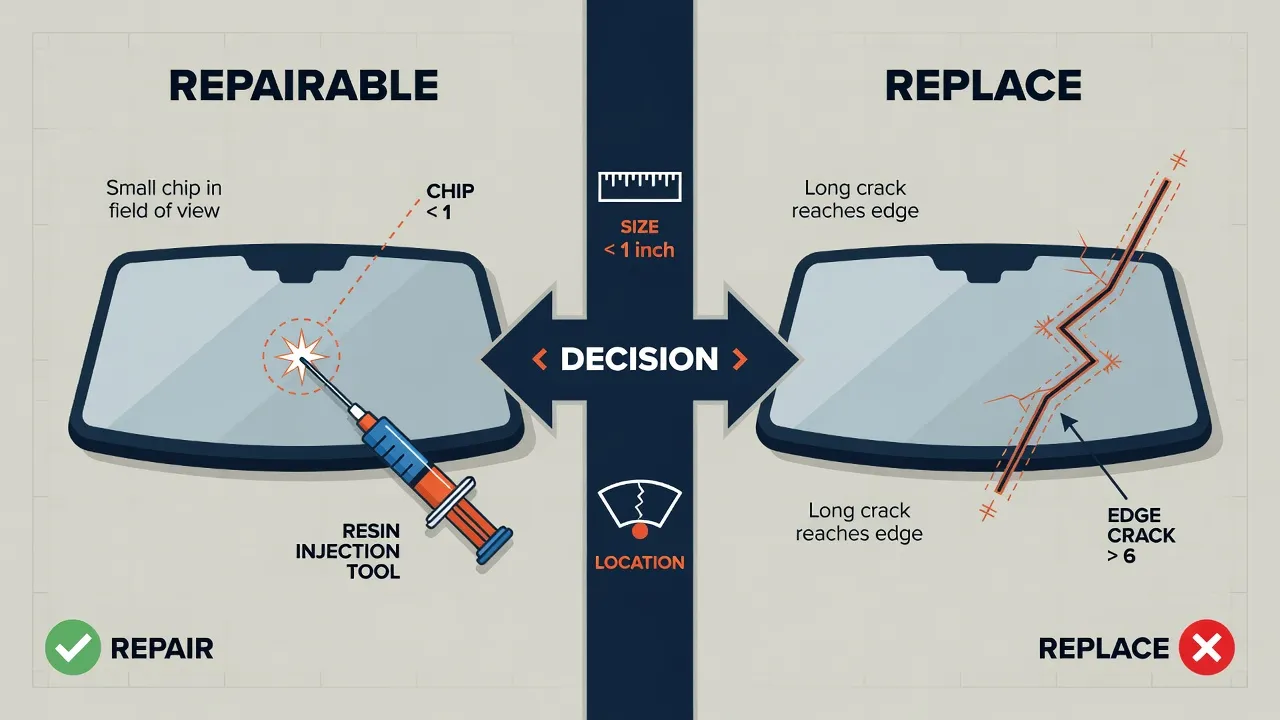
- Damage larger than a quarter: Chips bigger than about 1 inch in diameter or cracks longer than 6 inches typically need professional repair or full replacement (Speedy Glass, 2026).
- Damage in the driver's critical viewing area: Even a good repair leaves a slight distortion. If the chip is directly in your line of sight while driving, professional repair or replacement is the safer choice.
- Damage within 2 inches of the windshield edge: Edge damage compromises the structural bond between the glass and the vehicle frame. This is a replacement situation.
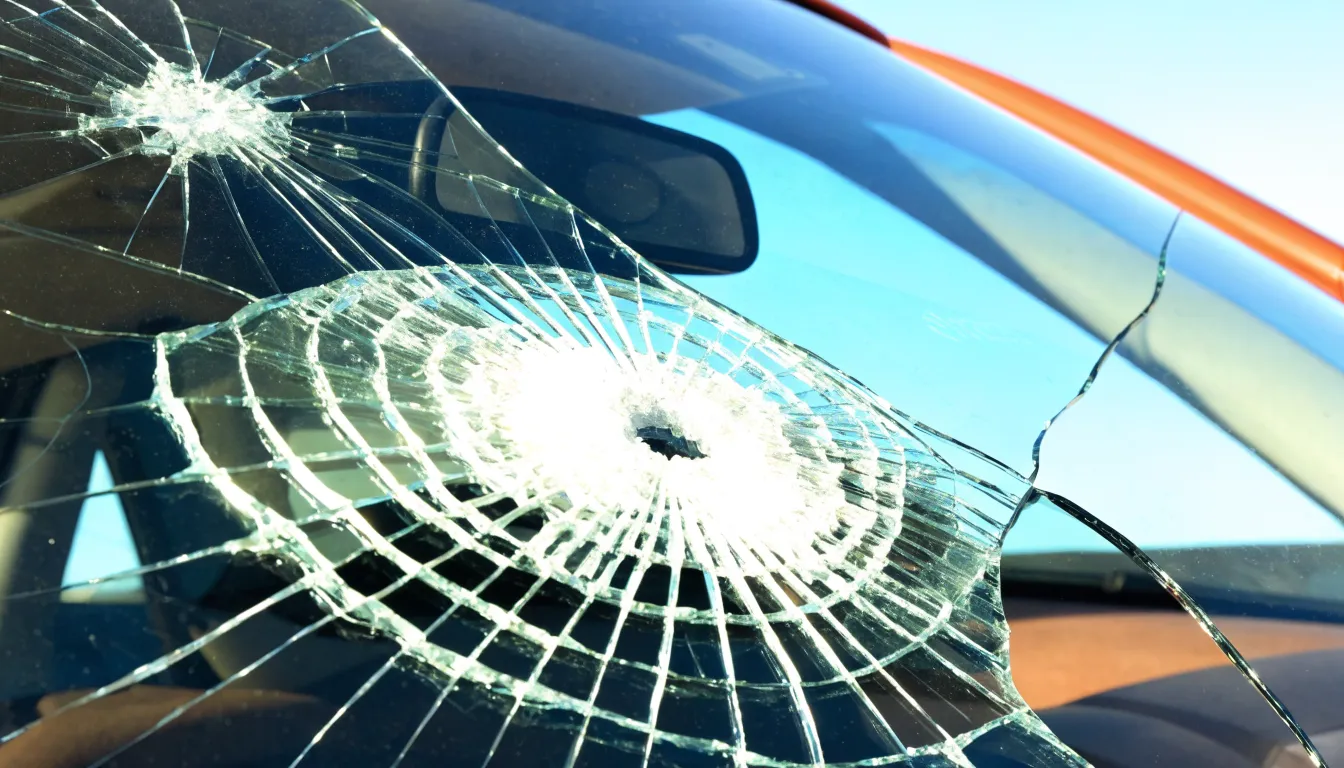
- Multiple chips or cracks: More than 3 chips or any intersecting cracks usually mean the glass is too compromised for spot repairs.
- Damage that has been there for weeks: Once dirt, moisture, and temperature cycling have contaminated a chip, resin can't bond properly. The older the damage, the worse the repair.
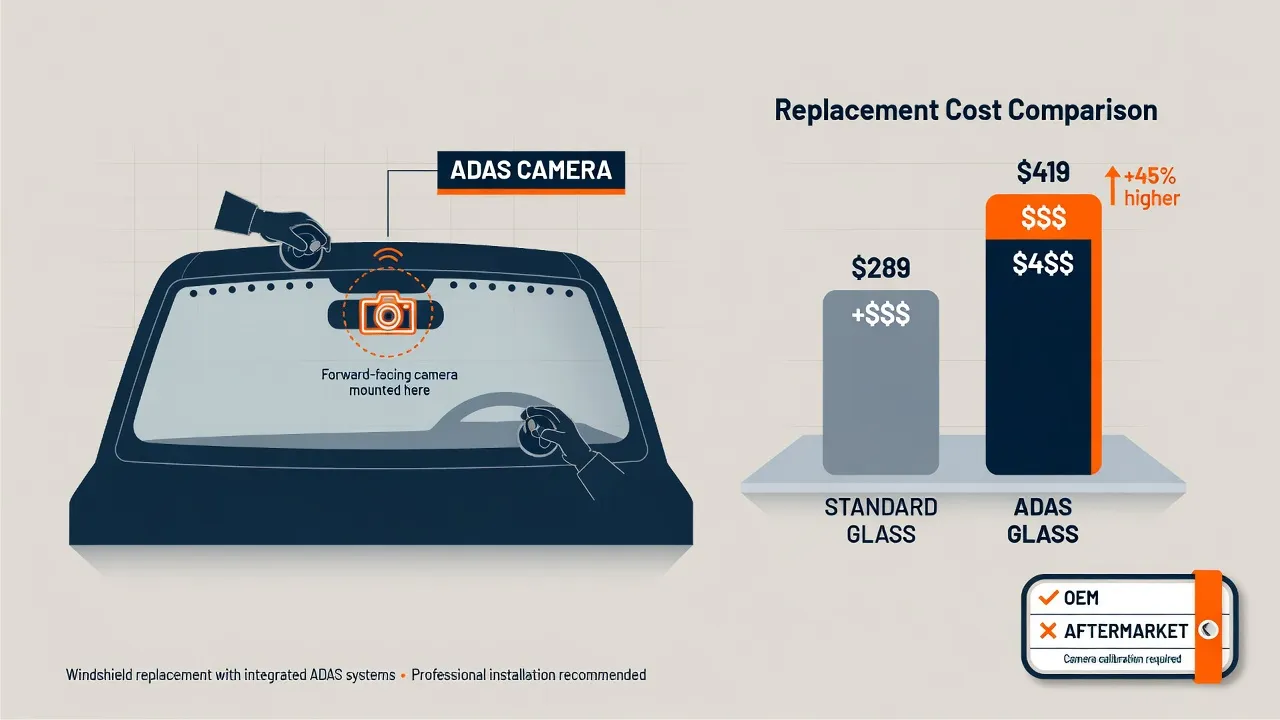
If your damage falls outside the DIY range, check our windshield replacement cost guide to understand what you should expect to pay. Many insurance policies cover windshield repair at no cost , see our guides to auto glass repair near you to find a shop.
Protecting Your Windshield After Repair
Once you have fixed the chip, a few steps help prevent the next one. A hydrophobic windshield treatment like those covered in our rain repellent guide creates a barrier that can deflect small debris at highway speeds. Keep a safe following distance from trucks and construction vehicles, and avoid gravel roads when possible. If your headlights are cloudy, restoring them improves nighttime visibility and lets you spot debris sooner , our headlight restoration kit guide covers the best options.
For chip-prone driving conditions (highway commuting, construction zones, gravel roads), keeping a repair kit in your glovebox means you can fix a new chip in a parking lot before it has time to spread. The Permatex or Rain-X kit takes up less space than a paperback book.
For more detail on identifying different chip types and understanding whether your specific damage qualifies for repair, read our windshield chip repair guide.
Frequently Asked Questions
Can a windshield repair kit fix a crack, not just a chip?
Some kits can stabilize short cracks. The Rain-X 600001 is rated for cracks up to 12 inches, but this is stabilization rather than a permanent fix for anything longer than about 6 inches. For cracks under 3 inches that haven't reached the windshield edge, a DIY kit can produce a lasting repair. Longer cracks or those near the edge need professional attention.
How long does a DIY windshield repair last?
A properly executed DIY repair is permanent in the sense that the resin bonds chemically with the glass and doesn't degrade over time. The repair will last the remaining life of the windshield. However, if air bubbles were trapped during the repair or the resin did not fully penetrate the damage, the chip can continue to spread. The quality of the repair determines its longevity, not the passage of time.
Do windshield repair kits work in cold weather?
Most windshield repair resins require temperatures between 50°F and 95°F to cure properly. Below 50°F, the resin becomes too viscous to flow into the damage, and UV curing slows dramatically. If you need to make a repair in cold weather, park the car in a heated garage for at least 30 minutes before starting. Never attempt a repair if the glass is below freezing, as thermal shock can extend the crack.
Will my insurance cover windshield repair instead of paying for a kit?
In many cases, yes. Most complete auto insurance policies cover windshield chip repair at no cost to you, with no deductible. Several states including Florida, Kentucky, South Carolina, and Arizona mandate zero-deductible windshield coverage. Before buying a DIY kit, call your insurance company or check your policy , a professional repair that costs you nothing is always better than a DIY repair that costs $12.
What's the difference between a $10 kit and a $50 professional kit?
Consumer kits ($8–$20) are designed for single-use repairs on simple chips. Professional kits ($40–$100+) include higher-viscosity resins for different damage types, UV lamps for controlled curing, multiple applicator heads, and enough supplies for 20–50 repairs. The resin quality is similar , the main difference is durability of the applicator and the range of damage types the kit can address. For a single chip on your personal vehicle, a consumer kit is all you need.