The best rain repellent for most drivers is Aquapel, which lasts six months or longer and outperforms Rain-X in independent durability and water-shedding tests. Rain-X remains the most accessible option at under $8, but it wears off in four to six weeks. If you want the longest-lasting protection available, Gtechniq G1 ClearVision bonds chemically to glass and lasts up to two years. Here's how all four top options compare on performance, price, and ease of application.
Key Takeaways
- Aquapel uses a fluoropolymer bond that outlasts Rain-X's silicone coating by three to six times, with a single application lasting six months or more.
- Rain-X Original is the cheapest option at $5–$8 and works well for the first few weeks, but requires monthly reapplication to maintain effectiveness.
- Gtechniq G1 ClearVision is the premium choice, chemically bonding to glass for up to 20,000 miles (roughly 1–2 years), but costs $25–$30 and requires careful surface preparation.
- Griot's Garage Glass Sealant balances performance and ease of use at $15–$20, with a wipe-on/buff-off application and roughly two to three months of protection.
- All hydrophobic treatments improve visibility enough to reduce reaction time in rain, but none eliminate the need for functioning wiper blades.
How Windshield Rain Repellents Work
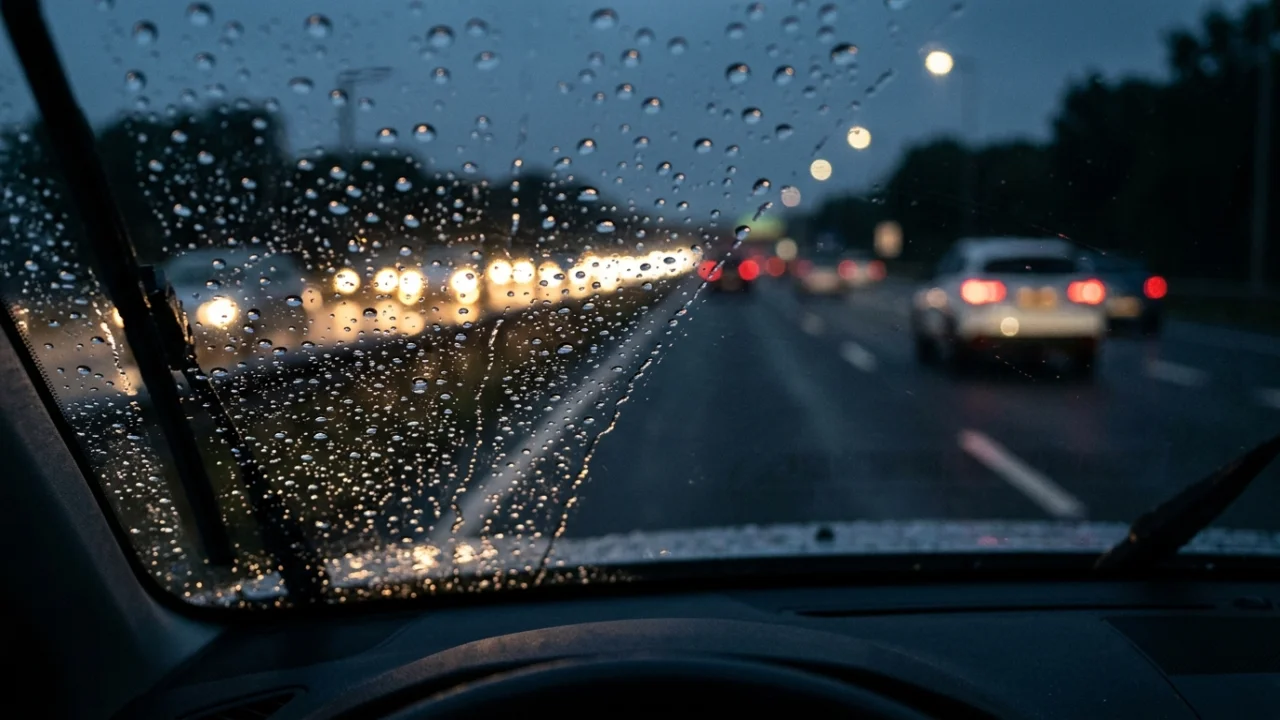
Every windshield rain repellent creates a hydrophobic barrier on the glass surface. Water molecules that would normally spread flat across untreated glass instead bead into tight droplets that roll off under wind pressure or gravity. The practical effect is dramatic: at highway speeds above 35 mph, a properly treated windshield can shed rain fast enough that you barely need wipers in moderate rainfall.
The differences between products come down to bonding chemistry. Silicone-based treatments like Rain-X coat the glass surface with a thin film that sits on top. Fluoropolymer treatments like Aquapel form a stronger molecular bond. Ceramic coatings like Gtechniq G1 use a chemical reaction that becomes part of the glass surface itself. Each step up in bonding strength adds durability but typically requires more careful application and costs more.
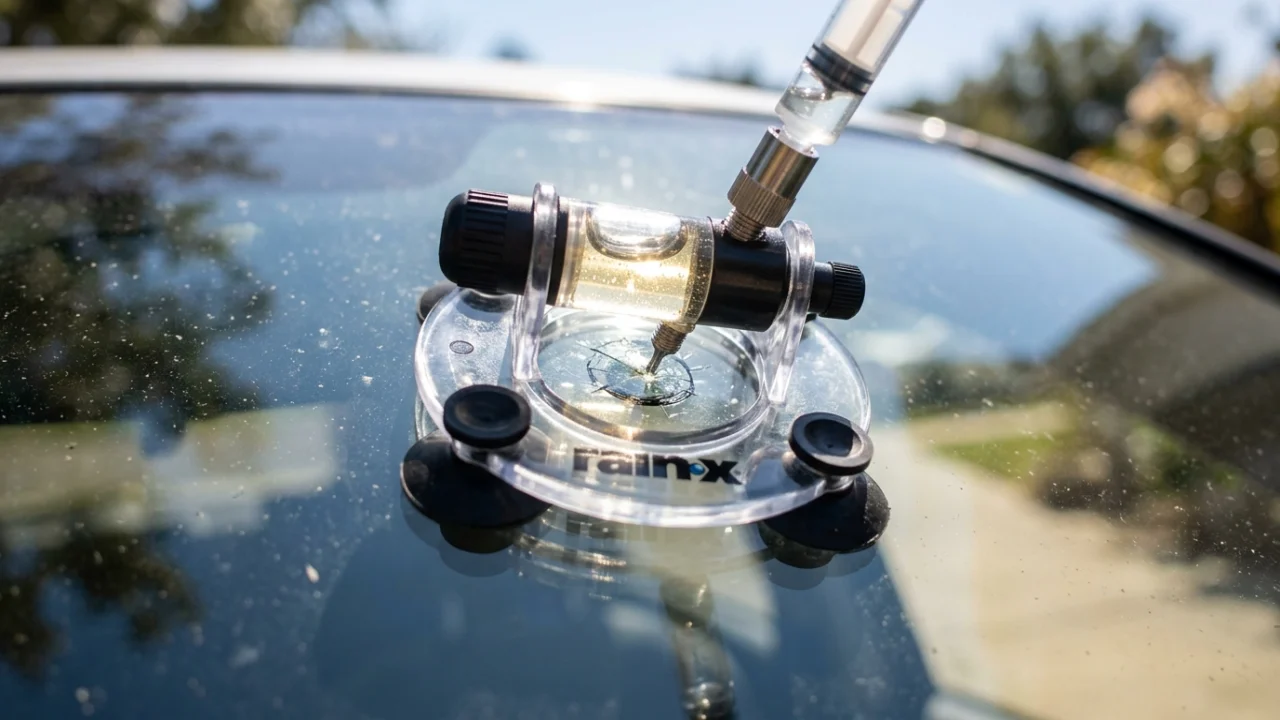
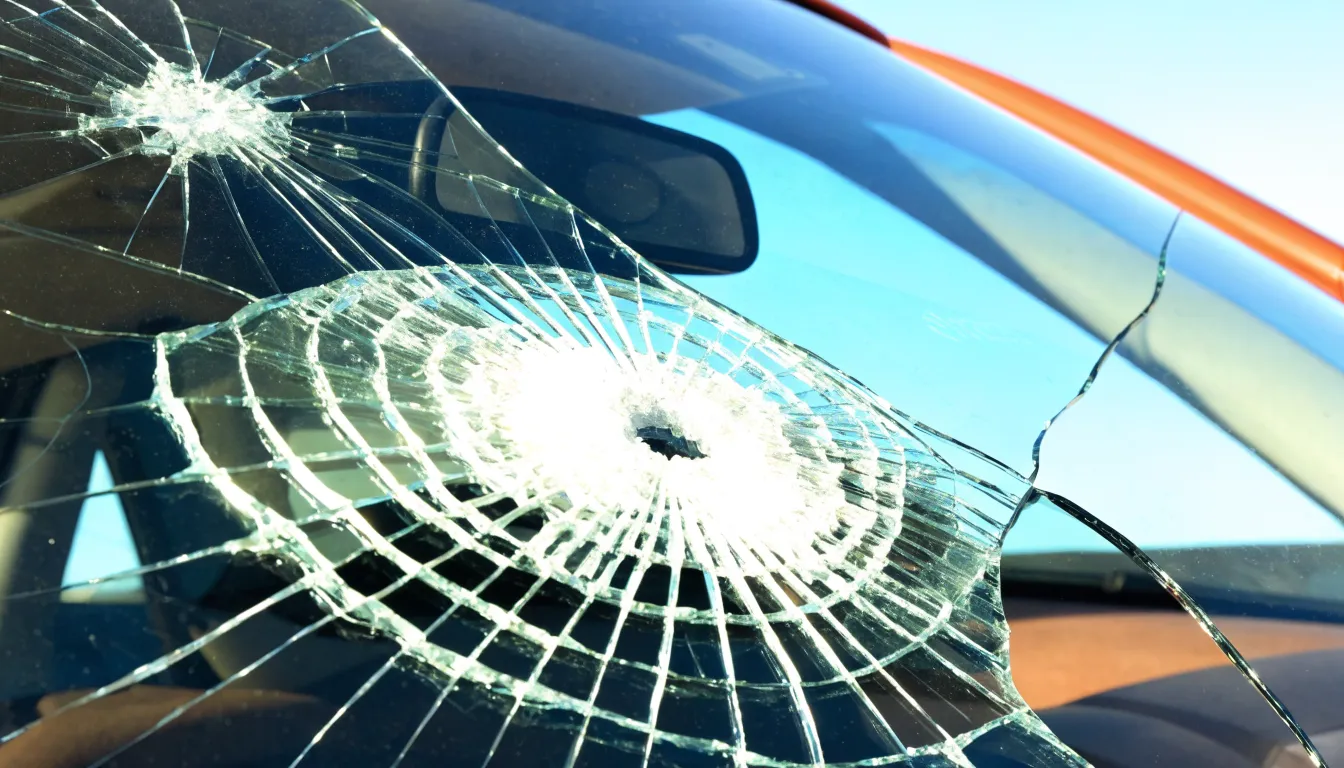
One important distinction: rain repellents treat the exterior glass surface only. They don't prevent interior fogging, they don't repair existing chips or cracks, and they don't replace worn wiper blades. If your windshield has damage, address that first , see our guide to windshield repair kits for chip fixes before applying any coating.
Aquapel: Best Overall Rain Repellent
Aquapel is a single-use glass treatment applicator originally developed for the professional auto glass industry. Unlike spray-on products, it comes in a sealed glass ampule that you snap to activate, then wipe across the windshield in a single pass. The fluoropolymer formula bonds to glass at a molecular level, creating a hydrophobic layer that independent testing has shown lasts three to six times longer than silicone-based alternatives (Motor1.com, 2024).
What makes it stand out
- Durability: Six months or longer per application, compared to four to six weeks for Rain-X
- Water shedding speed: In comparative blow-dryer tests, Aquapel cleared water from glass in one second, compared to three seconds for Rain-X (Fresh-Layer.com, 2026 comparison test)
- Single-use simplicity: No spray bottle, no buffing , snap, wipe, done in under five minutes
- Price: $10–$15 per application (one ampule treats a standard windshield)
Limitations
The single-use format means you can't save leftover product for touch-ups. Each ampule treats one windshield, so treating all side windows and the rear glass requires additional ampules at $10–$15 each. It's also harder to find in stores than Rain-X , most purchases happen online. Application requires a perfectly clean, dry glass surface; skipping the prep step significantly reduces bonding strength.
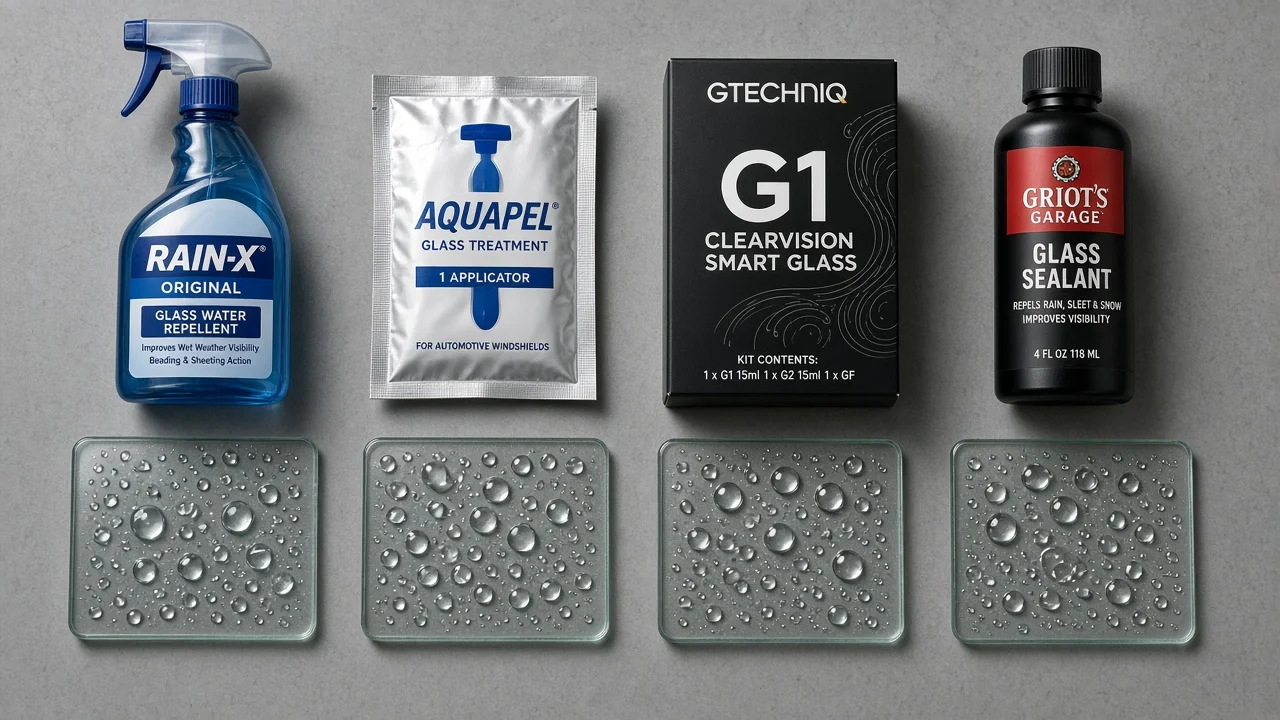
Rain-X Original: Best Budget Option
Rain-X is the product that made windshield rain repellent a mainstream concept. Available at every auto parts store, gas station, and Walmart for $5–$8, it's by far the most accessible option. The silicone-based formula creates a slick surface that sheds water effectively, especially at highway speeds.
What it does well
- Immediate results: Noticeable improvement from the first application
- Wide availability: Sold everywhere, no waiting for online orders
- Multiple products: Available as a standalone liquid, a spray, or pre-treated wiper blades
- Price: $5–$8 per bottle, enough for multiple applications
Limitations
Rain-X's biggest weakness is durability. The silicone film sits on the glass surface rather than bonding to it, which means it wears off with wiper use, car washes, and UV exposure. Most drivers report noticeable degradation after three to four weeks and need to reapply monthly. Rain-X can also cause a hazy film on the windshield as it wears, which some drivers find worse than no treatment at all , especially at night when oncoming headlights scatter through the residue. This haziness is a common complaint and typically means the product needs to be fully removed and reapplied rather than simply adding another coat.
Gtechniq G1 ClearVision: Best Long-Term Protection
Gtechniq G1 is a professional-grade ceramic glass coating that chemically bonds to the glass surface for exceptional durability. Originally developed for the detailing industry, it has become the go-to choice for enthusiasts and professional detailers who want a treatment that lasts a year or more without reapplication (Gtechniq.com).
What makes it stand out
- Durability: Up to 20,000 miles or roughly one to two years per application
- Chemical bond: Unlike surface coatings, G1 becomes part of the glass structure, resisting wiper wear and car washes
- Kit includes prep: The G1 kit comes with G2 glass polish for surface preparation, ensuring a clean bond
- Price: $25–$30 for a 15ml kit (enough for a full windshield)
Limitations
Application requires more preparation than spray-on products. You need to machine-polish or hand-polish the glass with the included G2 compound to remove existing contamination and old coatings before applying G1. The entire process takes 30 to 45 minutes. Gtechniq also recommends avoiding wipers for the first 12 hours after application to let the coating fully cure. The higher upfront cost is offset by the fact that you reapply once a year instead of monthly.
Griot's Garage Glass Sealant: Best Ease of Use
Griot's Garage Glass Sealant bridges the gap between budget spray-on products and premium coatings. At $15–$20 for an 8-ounce bottle, it offers better durability than Rain-X with an application process that requires no special tools or curing time.
What it does well
- Wipe-on, buff-off: Apply with a microfiber towel, let haze, buff off , five minutes total
- Good hydrophobic performance: Water beads and sheds effectively at moderate speeds
- Multi-application bottle: One bottle covers multiple windshield treatments
- Detailing community favorite: Well-reviewed among car care enthusiasts for consistent results
Limitations
Durability sits between Rain-X and Aquapel at roughly two to three months per application. It's a sealant rather than a coating, so it doesn't form the same chemical bond as Gtechniq G1. You'll get noticeably better performance than Rain-X, but plan on reapplying quarterly. While available at auto detailing retailers, it's less common than Rain-X in general stores.
How to Apply Any Windshield Rain Repellent
Regardless of which product you choose, proper application follows the same basic process:
- Clean the glass thoroughly. Use a dedicated glass cleaner (not household Windex, which can leave ammonia residue). Remove all bugs, tree sap, water spots, and old product residue.
- Clay bar the surface (optional but recommended). Running a detailing clay bar across the glass removes embedded contamination that cleaning alone misses. This is essential for Gtechniq G1 and highly recommended for Aquapel.
- Dry completely. Any water on the glass will interfere with bonding. Use a clean microfiber towel and work in shade, not direct sunlight.
- Apply the product per its instructions. Rain-X sprays on and wipes off. Aquapel wipes on in a single pass. Gtechniq G1 applies with a supplied applicator pad. Griot's wipes on and buffs off after hazing.
- Avoid wipers and water for the recommended cure time (varies by product , 10 minutes for Rain-X, up to 12 hours for Gtechniq G1).
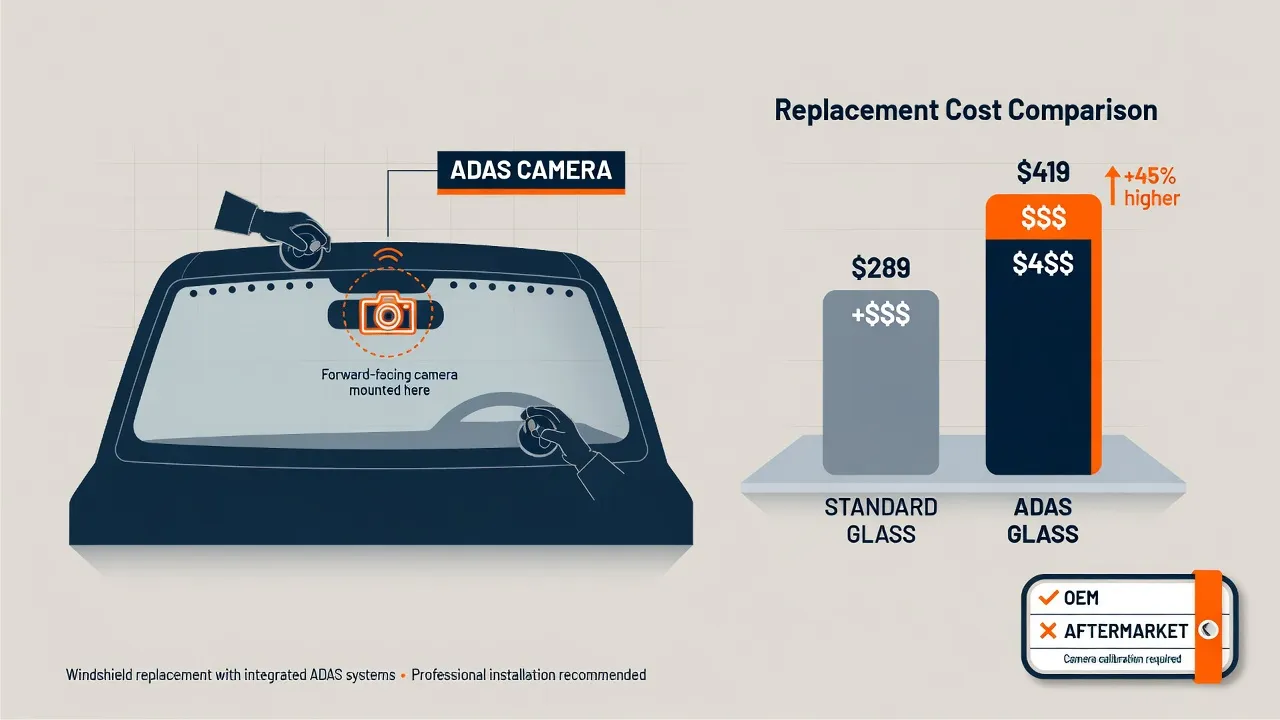
If your windshield has existing chips or cracks, applying a rain repellent over them can trap moisture and worsen the damage. Address any glass damage first. For windshield cost context, see our windshield replacement cost guide, and understand the types of windshield cracks to know whether yours needs repair or replacement before treatment.
Which Rain Repellent Should You Buy?
Your choice comes down to how much effort and money you want to spend versus how long you want the treatment to last:
- Choose Rain-X if you want something cheap, available everywhere, and don't mind reapplying monthly. Best for drivers who already visit the auto parts store regularly.
- Choose Aquapel if you want the best balance of performance and durability without the prep work of a ceramic coating. Apply twice a year and forget about it.
- Choose Gtechniq G1 if you're willing to invest time in proper preparation for a treatment that lasts a year or more. Best for detailing enthusiasts or anyone who wants to do the job once.
- Choose Griot's Garage Glass Sealant if you want better-than-Rain-X performance with an easy application process. A good middle ground for quarterly reapplication.
For drivers in heavy-rain regions or anyone who does a lot of highway driving at night, the visibility improvement from any hydrophobic treatment is worth the effort. Even budget Rain-X meaningfully improves wet-weather visibility. If you're also looking at restoring clarity on other parts of your car, our headlight restoration kit guide covers foggy lens fixes that complement a freshly treated windshield. And for auto glass repair near you, our directory lists shops that can handle professional-grade treatments alongside any necessary glass work.
Frequently Asked Questions
How long does Rain-X last compared to Aquapel?
Rain-X typically lasts four to six weeks before noticeable degradation, while Aquapel lasts six months or more. The difference comes down to bonding chemistry: Rain-X uses a silicone film that sits on the glass surface, while Aquapel's fluoropolymer formula bonds at a molecular level. Over a year, you would apply Rain-X roughly 12 times compared to two Aquapel applications.
Can you use rain repellent on a windshield with an existing chip or crack?
You shouldn't apply rain repellent over chips or cracks. The treatment can seep into the damage and trap moisture, potentially worsening the crack or interfering with a future professional repair. Fix any glass damage first, then apply the hydrophobic treatment to the repaired or replaced windshield.
Does windshield rain repellent affect wiper blade performance?
Yes, but typically in a positive way. Wiper blades glide more smoothly across a hydrophobic surface, reducing chatter and streaking. However, some drivers report a slight squeaking noise with new wiper blades on freshly treated glass, which usually resolves within a few uses. Rain-X in particular can leave a residue buildup that causes wipers to skip if the product isn't reapplied consistently.
Is Gtechniq G1 worth the higher price over Rain-X?
If you factor in reapplication frequency, Gtechniq G1 can actually cost less per year than Rain-X. A $25–$30 Gtechniq G1 application lasts one to two years. Rain-X at $6 per bottle applied monthly costs $72 per year. The math favors the ceramic coating, and you get better performance and no monthly maintenance. The trade-off is a longer initial application process.
Can you apply rain repellent to side windows and the rear windshield?
Yes, all four products work on any automotive glass surface. Rain-X and Griot's Garage are the most practical for treating all windows because they come in multi-use bottles. Aquapel's single-use ampule treats one windshield-sized area, so covering all windows requires purchasing additional ampules. Gtechniq G1 can be applied to all glass surfaces but requires the same surface preparation on each panel.