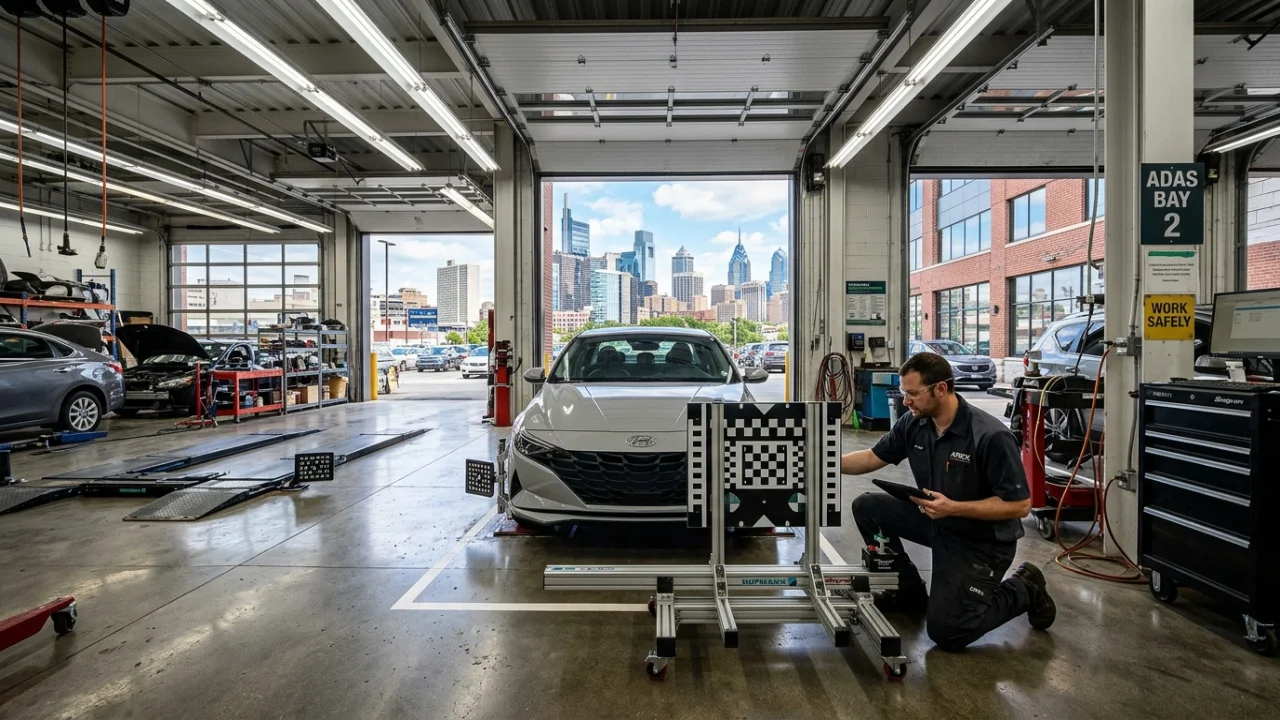
Philadelphia has a growing number of body shops and mobile services that can perform ADAS calibration, but most collision repair facilities in the area still sublet the work to a third-party provider. If your vehicle needs camera, radar, or sensor recalibration after a windshield replacement or collision repair, verifying that the shop actually owns the equipment and employs trained technicians is the single most important step you can take. Below is a practical guide to finding verified ADAS calibration in the Philadelphia metro area in 2026.
Key Takeaways
- ADAS calibrations appeared on 34.7% of all collision repair estimates nationally in 2025, up from 12.1% in 2022, and the Philadelphia market mirrors that trend (Enlyte Envision Trends Report, 2026).
- Average calibration cost in the Philadelphia area ranges from $300 to $600 for most vehicles, with forward-facing camera calibration averaging around $500 and blind-spot monitor calibration around $350.
- Both static calibration (performed in-shop with target boards) and dynamic calibration (performed by driving under specific conditions) may be required depending on your vehicle's make and the system being calibrated.
- Several Philadelphia-area providers offer mobile ADAS calibration, bringing equipment directly to the body shop handling your collision repair.
- Always ask whether calibration is done in-house or sublet. In-house vs sublet ADAS calibration directly affects your repair timeline and cost.
Why ADAS Calibration Matters After Collision Repair
Advanced Driver Assistance Systems rely on cameras, radar modules, and ultrasonic sensors positioned at precise angles on your vehicle. A collision, windshield replacement, or even a wheel alignment change can shift these sensors by fractions of a degree, which is enough to make automatic emergency braking, lane departure warning, or adaptive cruise control unreliable.
Approximately 65% of collision repairs now require at least one ADAS calibration (Body Shop Business, 2026). In the Philadelphia metro area, where dense traffic on I-76, I-95, and Roosevelt Boulevard makes these safety systems critical, getting proper calibration is not optional — it is a safety necessity. Failing to recalibrate after a repair can leave your forward collision warning system pointing several degrees off-center, which at highway speeds translates to a targeting error of multiple car lengths.
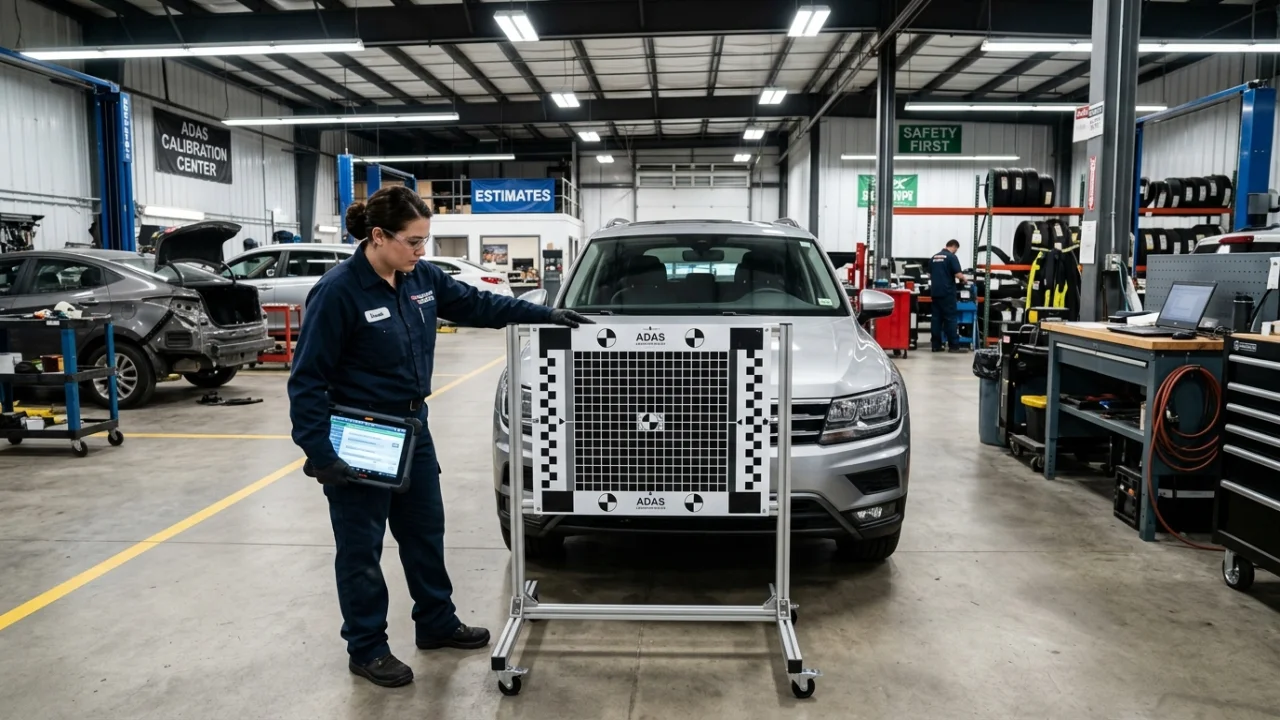
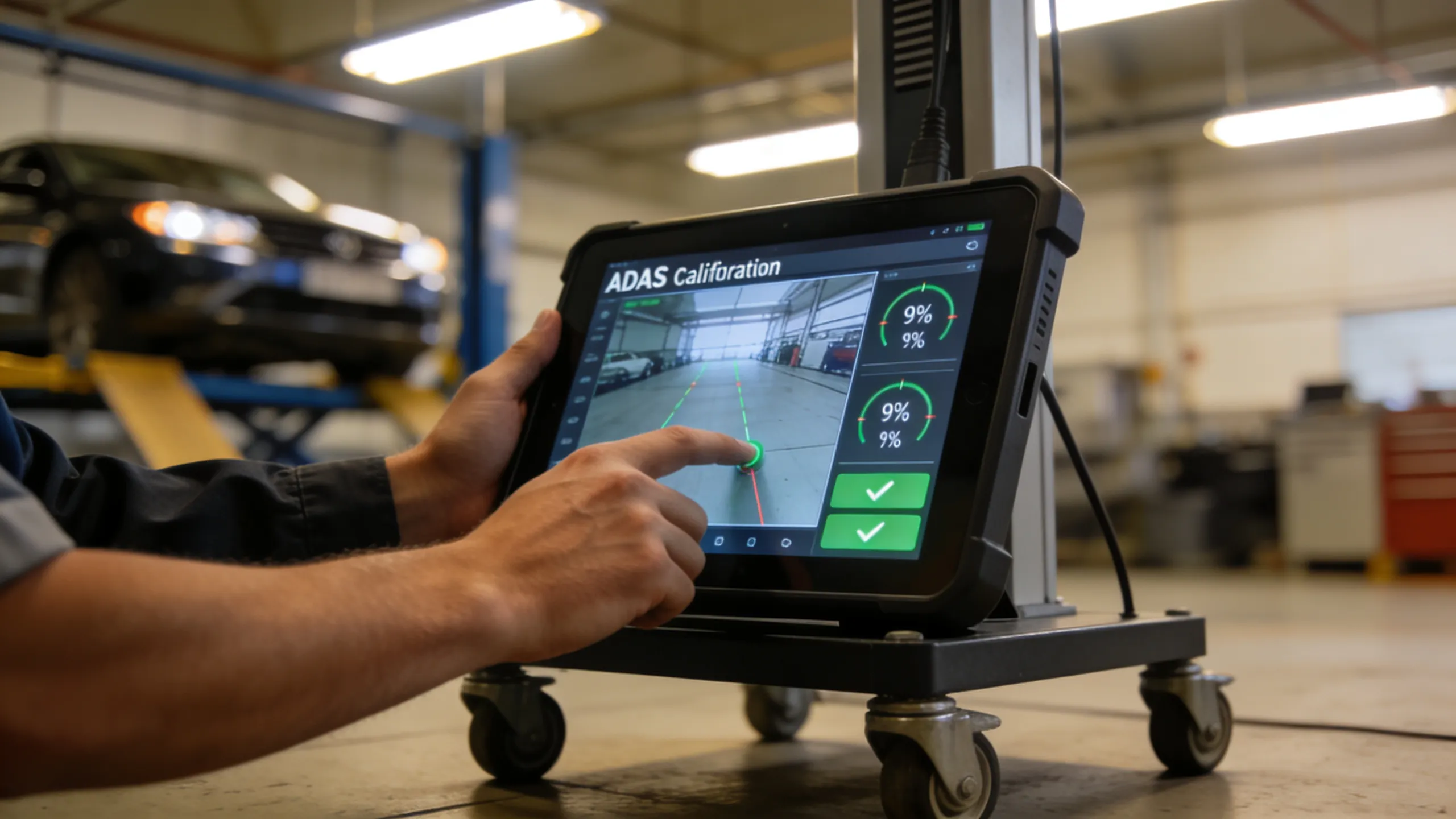
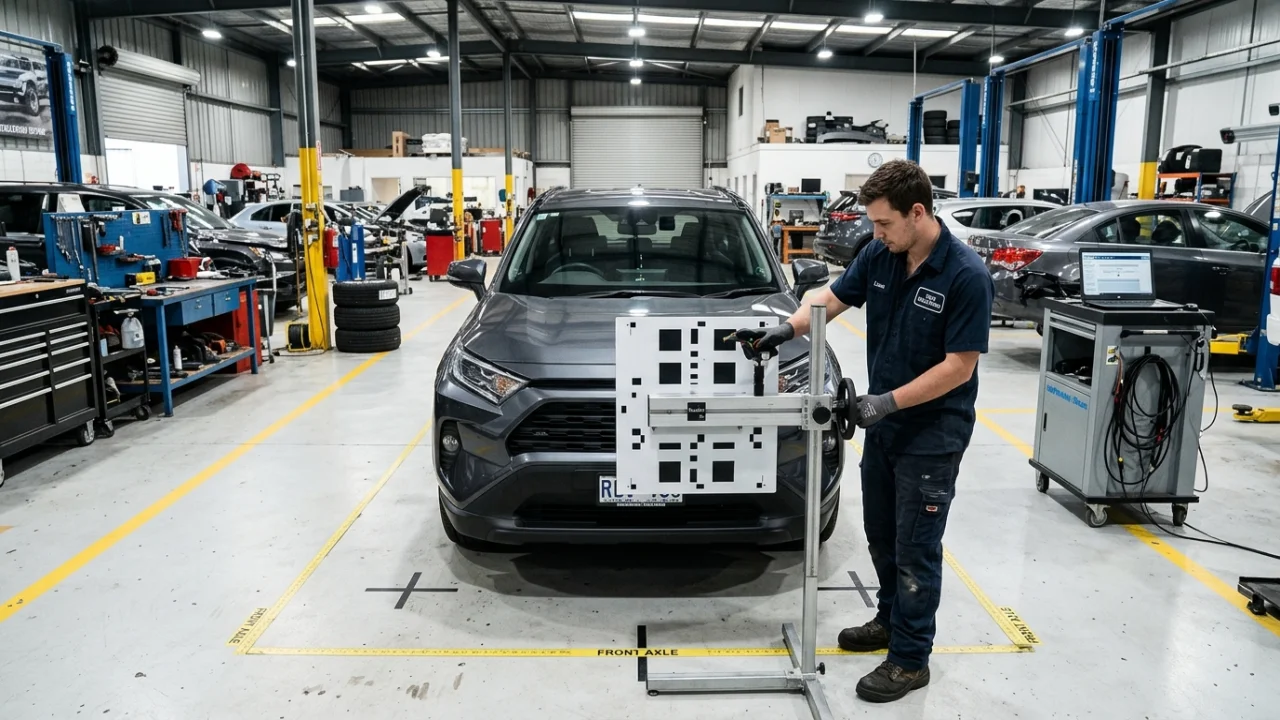
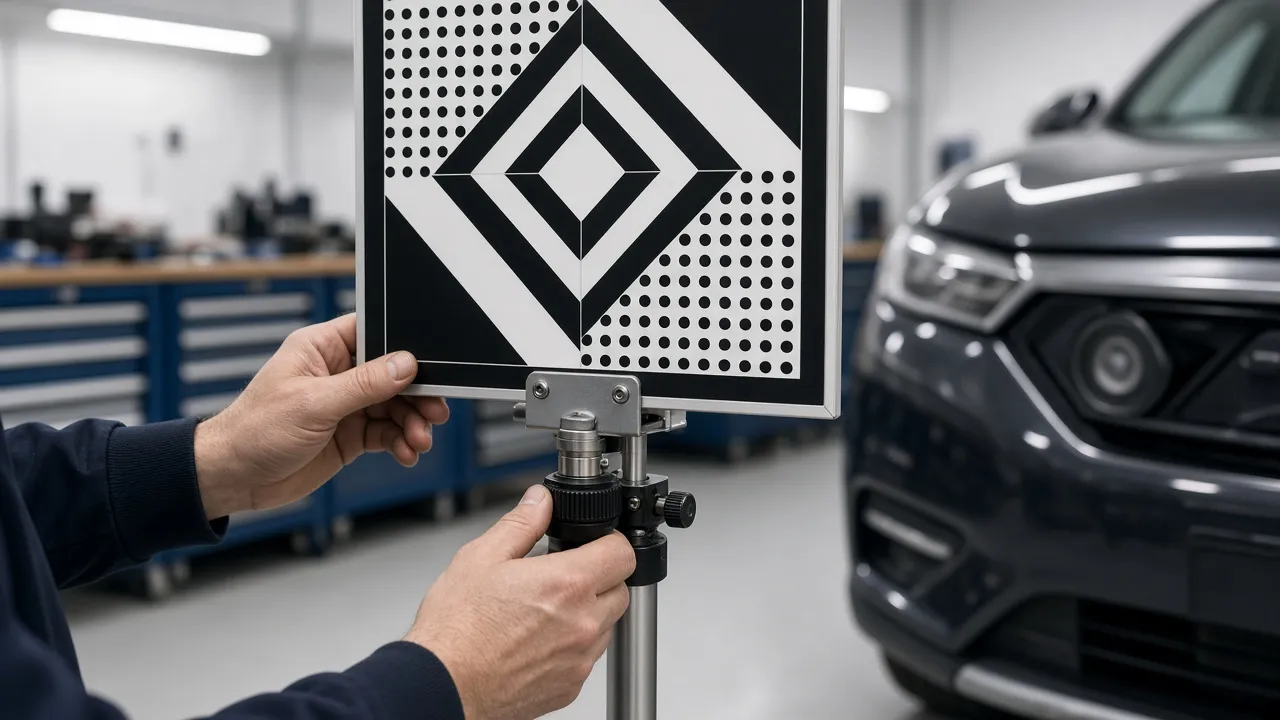
The two calibration types you should understand are static calibration, performed inside a shop using precision target boards positioned at exact distances from the vehicle, and dynamic calibration, performed by driving the vehicle at specific speeds while a connected scan tool collects sensor data. Many vehicles require both. Your vehicle's make and model determines which procedure applies — there is no universal standard across manufacturers.
Types of ADAS Calibration Providers in the Philadelphia Area
When you need ADAS calibration in Philadelphia, you will encounter three types of providers. Understanding the differences helps you evaluate what you are actually paying for.
In-house calibration at collision repair shops
A growing number of body shops in the Philadelphia metro area have invested in their own ADAS calibration equipment. These shops handle calibration on-site as part of the collision repair process. The advantage is speed and accountability — the same facility repairing your car also calibrates it, so there is no handoff delay and no finger-pointing if something goes wrong. Major chains like Caliber Collision and Crash Champions operate multiple Philadelphia-area locations, and most of their facilities have static calibration capability. Independent shops with I-CAR Gold Class certification and OEM-specific training are also investing in equipment.
Mobile ADAS calibration services
Mobile calibration providers bring their equipment directly to the body shop that is repairing your vehicle. This model is common in Philadelphia because many smaller shops cannot justify the $30,000 to $80,000 investment in static calibration equipment. Providers like MaxTec and WindshieldHUB operate mobile units covering the Philadelphia tri-state area. The calibration still meets manufacturer specifications, but scheduling adds time to your repair — typically one to three extra days waiting for the mobile unit.
Sublet calibration at a separate facility
Some body shops send your vehicle to a dedicated calibration center for the procedure. This means your car leaves the repair shop, gets calibrated elsewhere, and comes back. It adds transit time and introduces a third party into your repair. Ask explicitly whether the shop sublets calibration — many do not volunteer this information.
What ADAS Calibration Costs in Philadelphia
ADAS calibration pricing in the Philadelphia market falls within the national range but varies significantly depending on the system, vehicle make, and provider type.
- Forward-facing camera calibration: $400 to $600 (average around $500)
- Front radar calibration: $350 to $550 (average around $450)
- Blind-spot monitor calibration: $250 to $450 (average around $350)
- Multi-system calibration (camera + radar + BSM): $800 to $1,500+
The national average cost when ADAS calibration appeared on a repair estimate reached $688 in 2025 (Enlyte Envision Trends Report, 2026). That figure includes complex multi-system calibrations on luxury and newer vehicles. For a single forward-camera static calibration on a common vehicle like a Honda CR-V or Toyota RAV4, expect the lower end of the range.
Insurance typically covers ADAS calibration when it is part of a collision repair claim. Pennsylvania law does not prohibit insurers from requiring specific calibration procedures, but your insurer cannot refuse to pay for manufacturer-required calibration. If a body shop tells you that your insurer will not cover calibration, ask for the OEM repair procedures in writing — the documentation almost always resolves the dispute. For more detail on national pricing, see our ADAS calibration cost guide.
How to Verify a Shop's ADAS Calibration Capability
Not every shop that advertises ADAS calibration can actually perform it properly. Here is what to check before booking your repair at a Philadelphia-area shop.
Ask about equipment
Legitimate ADAS calibration requires manufacturer-specific or multi-brand calibration systems from companies like Autel, Hunter Engineering, John Bean, or Bosch. Ask the shop which system they use and whether they own it or rent it. Static calibration requires a level floor, controlled lighting, and 25 to 35 feet of clear space in front of the vehicle. If the shop's bays are small and cluttered, they may not have the physical space for proper static calibration.
Check certifications
I-CAR offers ADAS-specific training courses. Ask whether the technicians performing calibration have completed I-CAR's ADAS calibration curriculum. OEM certifications from your vehicle's manufacturer are even better — a Honda ProFirst certified shop, for example, has met Honda's specific requirements for ADAS repair and calibration.
Request documentation
After calibration, you should receive a printed report showing the pre-calibration scan results, the calibration procedure performed, and the post-calibration verification. If a shop cannot provide this documentation, that is a red flag. For a deeper walkthrough of the verification process, read our guide on how to verify ADAS calibration capability.
Which Vehicles Need ADAS Calibration Most Often
Every modern vehicle with ADAS features may need calibration after a collision or windshield replacement, but some are more likely to require it based on how their systems are designed.
- Vehicles with windshield-mounted cameras (Subaru EyeSight, Toyota Safety Sense, Honda Sensing): windshield replacement almost always triggers a calibration requirement.
- Vehicles with front radar modules behind the bumper or grille (most Hyundai, Kia, Ford, GM models): any front-end collision repair requires radar recalibration.
- Luxury vehicles with multiple ADAS systems (BMW, Mercedes-Benz, Audi, Tesla): these often need both static and dynamic calibration across multiple sensors, driving costs above $1,000.
- Trucks and SUVs with surround-view cameras: body panel replacement on any corner of the vehicle can require camera recalibration.
If you are unsure whether your vehicle needs calibration after collision repair, ask the shop to run a pre-repair diagnostic scan. This scan identifies which ADAS modules are present and whether any are reporting errors. Learn more about the systems involved in our ADAS sensors explained guide.
Finding the Right Provider in Philadelphia
Start with our ADAS calibration near me directory to find providers in the Philadelphia metro area. When evaluating shops, prioritize these factors in order:
- In-house capability over sublet: shops that own calibration equipment have more control over quality and timeline.
- OEM certification for your vehicle's make: a Ford-certified shop calibrating a Ford is better than a generalist using aftermarket tools.
- I-CAR Gold Class status: this indicates the facility maintains ongoing training standards across its technicians.
- Written documentation: the shop should commit to providing pre- and post-calibration scan reports.
- Insurance relationship: shops on your insurer's DRP list may streamline the claims process, though you always have the right to choose any qualified shop in Pennsylvania.
Philadelphia's body shop market is competitive enough that you should have multiple options. Do not default to the first shop your insurer recommends — compare at least two providers on certifications, equipment, and whether calibration is performed in-house.
Sources
- NHTSA ADAS Safety Technologies — advanced driver assistance system standards
- I-CAR — ADAS calibration repair procedures
Frequently Asked Questions
Does every collision repair in Philadelphia require ADAS calibration?
Not every repair, but a large and growing percentage. Nationally, 34.7% of collision repair estimates included at least one ADAS calibration in 2025. In Philadelphia, the rate is similar. Whether your specific repair requires calibration depends on which body panels were damaged, whether sensors or cameras were affected, and your vehicle's manufacturer requirements. A pre-repair diagnostic scan identifies what is needed.
How long does ADAS calibration take?
A single static calibration typically takes 30 to 90 minutes once the vehicle is positioned and the equipment is set up. Dynamic calibration requires a 15- to 30-minute drive under specific conditions. Multi-system calibrations can take half a day. The bigger time factor is scheduling — if the shop sublets calibration to a mobile provider, you may wait one to three additional days for the mobile unit to arrive.
Will my insurance cover ADAS calibration after a collision repair in Pennsylvania?
Yes, if the calibration is required by the vehicle manufacturer's repair procedures. Pennsylvania law does not allow insurers to refuse payment for procedures that are part of OEM-specified repair standards. If your insurer pushes back, ask the body shop to provide the OEM repair procedures documentation showing calibration is required. This resolves most disputes.
Can I drive my car before ADAS calibration is completed?
You can physically drive the vehicle, but it is not recommended. Uncalibrated ADAS sensors may provide inaccurate readings — your automatic emergency braking could activate late or not at all, lane-keeping assist could steer toward the wrong reference point, and blind-spot monitoring may miss vehicles in adjacent lanes. The safety risk is real. Wait until calibration is completed and verified before driving normally.
What is the difference between OEM and aftermarket ADAS calibration tools?
OEM calibration tools are made by the vehicle manufacturer and follow exact factory specifications. Aftermarket multi-brand tools from companies like Autel or Bosch cover many makes and models but may not support every calibration procedure for every vehicle. The best shops use OEM tools for the specific brand they are certified in and supplement with high-quality aftermarket tools for broader coverage. Ask which tool will be used on your vehicle specifically.