What Is a Supplement in Auto Body Repair?
A supplement is an additional repair estimate submitted to your insurance company after the body shop finds damage that wasn't visible during the initial assessment. This happens in about 60% of collision repairs, not because the original estimate was sloppy, but because you can't see what's hidden until you take the car apart.
That's not a red flag. It's just how collision repair works.
Why Hidden Damage Is Normal
When a car gets hit, the impact warps metal, cracks plastic, bends brackets, and damages components tucked inside the body. An adjuster doing an initial inspection can only look at what's on the surface. Once the shop starts disassembling panels, they find what the collision actually did.
Common Hidden Damage Found During Disassembly
- Bent reinforcement bars. The steel reinforcement behind bumper covers takes a hit and buckles. You can't see it until the cover comes off.
- Cracked mounting brackets. Headlight and fender brackets often crack on impact. They look fine from the outside.
- Suspension damage. A front quarter panel impact can misalign suspension components, but that only shows up on frame measuring equipment.
- Wiring harness damage. Wires and connectors get crushed inside body panels. They might not cause problems for weeks after the repair is "done."
- Structural panel distortion. Inner fender wells, aprons, and rails can bend without any external sign.
How the Supplement Process Works
The process adds time to the repair, but it's straightforward.
Step 1: Initial Teardown
Within the first day or two, the shop removes damaged panels, bumpers, and trim to see the full picture.
Step 2: Documentation
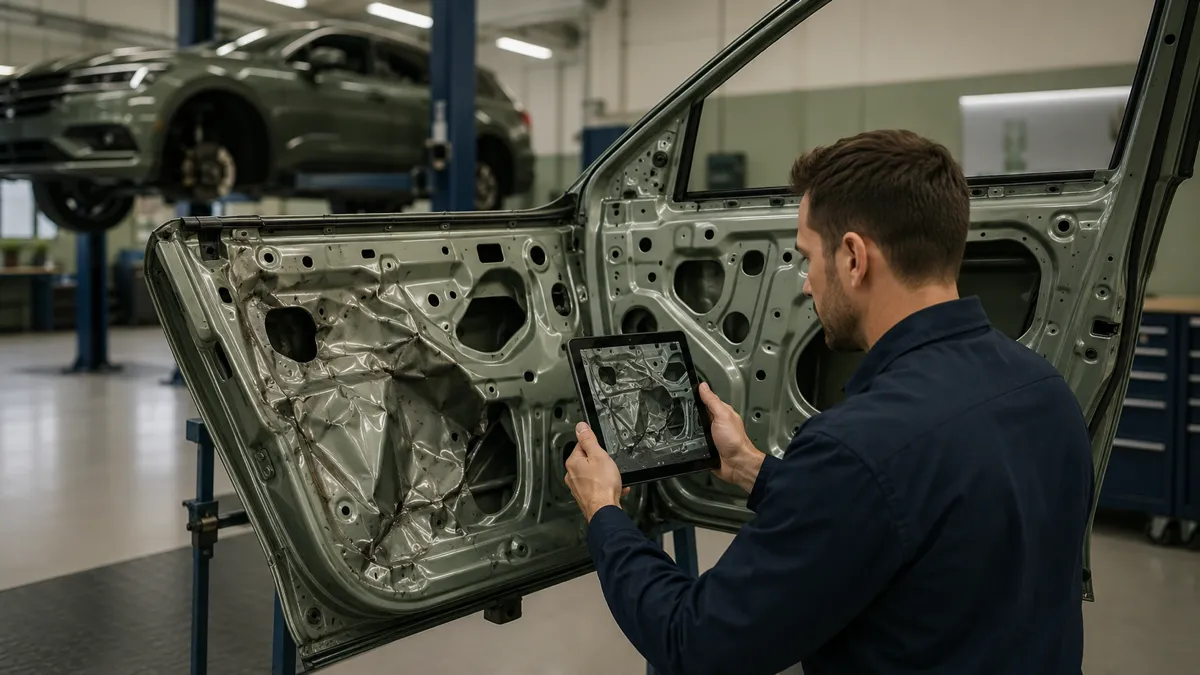
The shop photographs everything they found, then prepares a detailed supplement estimate. This includes part numbers, labor hours, and material costs for each additional repair item.
Step 3: Insurance Approval
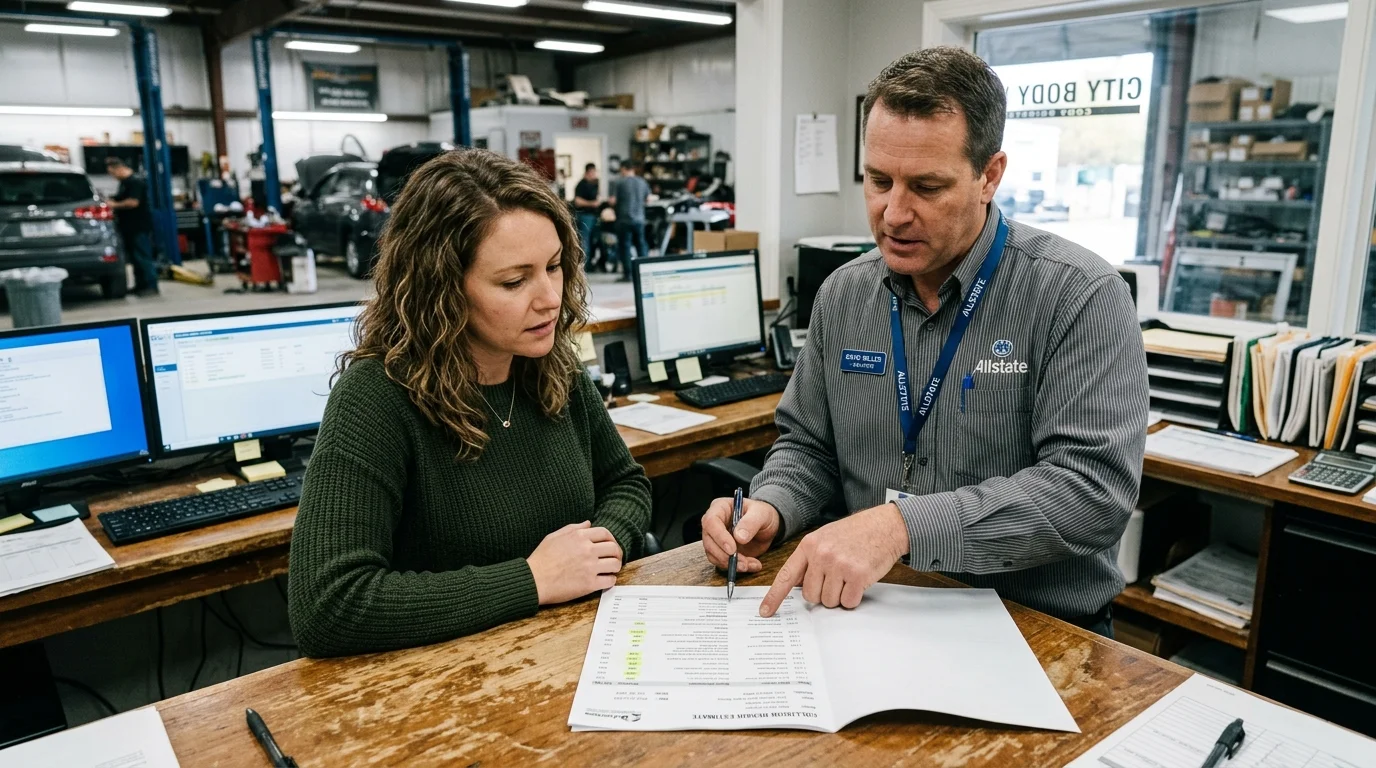
The supplement goes to your adjuster. Some insurers approve by phone quickly. Others send a reinspection adjuster to verify in person. This stage is where delays happen, response times range from 24 hours to a week or more.
Step 4: Repair Continues
After approval, the shop orders additional parts and finishes the work. On more complex repairs, there can be more than one supplement if more damage surfaces.
What You Should Do During the Supplement Process
Stay in contact with your shop. Ask for an update after teardown. Good shops reach out before submitting supplements so you're not surprised.
Extend your rental car authorization. Supplements push out the repair timeline. Call your insurer before your original rental authorization runs out, not after.
Don't push the shop to skip documentation. Some people want the car done fast. Skipping the supplement process means you might be paying out of pocket for problems that surface later.
Ask for photos. Any reputable shop photographs hidden damage before they repair it. That documentation protects you if the insurer pushes back.
"A supplement isn't a surprise bill. It's the shop doing their job, documenting damage that wasn't visible before disassembly."
Skipping supplemental documentation doesn't make repairs faster. It makes future problems your problem instead of the insurer's.
Sources
- Insurance Information Institute — auto insurance claims statistics
- National Association of Insurance Commissioners — state insurance commissioner consumer resources