No police report? You can still file a claim. Here's what evidence you need, how to document the accident yourself, and when a report actually matters.
Introduction
A fender bender in a parking lot. A minor collision where both drivers exchanged information and went their separate ways. A hit-and-run discovered hours after it happened. These common scenarios leave many car owners wondering whether they can still file an insurance claim without a police report.
The short answer: yes. Insurance companies don't require a police report to process most claims. But the absence of official documentation can complicate things, especially when liability is disputed or when you're filing against another driver's insurance. Knowing when police reports matter, what alternatives exist, and how the type of claim affects the process helps you handle these situations without getting blindsided.
When You Need a Police Report to File a Claim
Police reports and insurance claims operate under different rules. State laws determine when drivers must report accidents to law enforcement. Insurance policies dictate what documentation carriers need to process claims. Those are two separate questions.
State Legal Requirements
According to the National Association of Insurance Commissioners, most states only require drivers to contact police when an accident involves injuries, fatalities, or property damage exceeding a specific threshold. Those thresholds vary:
| State | Damage Threshold for Mandatory Reporting |
|---|---|
| California | $1,000 or any injury |
| Kentucky | $500 or any injury |
| Indiana | $750 or any injury |
| Texas | $1,000 or any injury |
| Florida | $500 or any injury |
For minor accidents below those thresholds where no one's injured, state law may not require a police report at all. That said, some states require drivers to file a report with the DMV within 10 days even if police didn't respond. Check your state DMV website to know what's actually required.
Insurance Company Requirements
Insurance carriers generally don't require a police report to file a claim. They process thousands of claims every year with no report on file—parking lot incidents, single-vehicle accidents, situations where police resources weren't available. What insurers do require is enough documentation to verify that the incident happened and to assess liability and damages.
The exception: hit-and-run claims. Most insurance companies strongly prefer—and some require—a police report for hit-and-runs. The report establishes that you tried to identify the responsible party.
How Filing Without a Police Report Affects Approval
The impact depends largely on whether the claim is first-party or third-party.
First-Party Claims: Filing With Your Own Insurance
A first-party claim is filed with your own insurance company under collision or comprehensive coverage. These claims are generally easier to process without a police report because:
- The insurance relationship already exists
- Liability determination is less critical—the policy covers your vehicle regardless of fault
- The insurer has direct access to you for statements and documentation
For first-party claims, thorough photo documentation and a detailed written account of the incident typically give the insurer what they need.
Third-Party Claims: Filing Against Another Driver's Insurance
Third-party claims—filed against another driver's insurance when that driver caused the damage—are trickier without a police report. The other driver's insurer has no obligation to take your word for what happened. Without official documentation:
- Liability disputes are more common
- The claims process takes longer
- The insurer may demand additional evidence before approving payment
- Denied claims are more likely if the other driver disputes fault
A police report provides neutral, third-party documentation of what happened. Without it, the burden of proving the circumstances falls entirely on you.
Documentation Alternatives When You Don't Have a Police Report
When no police report exists, your documentation has to do the work that the report would have done. Insurance adjusters rely on objective evidence to verify incidents and determine liability.
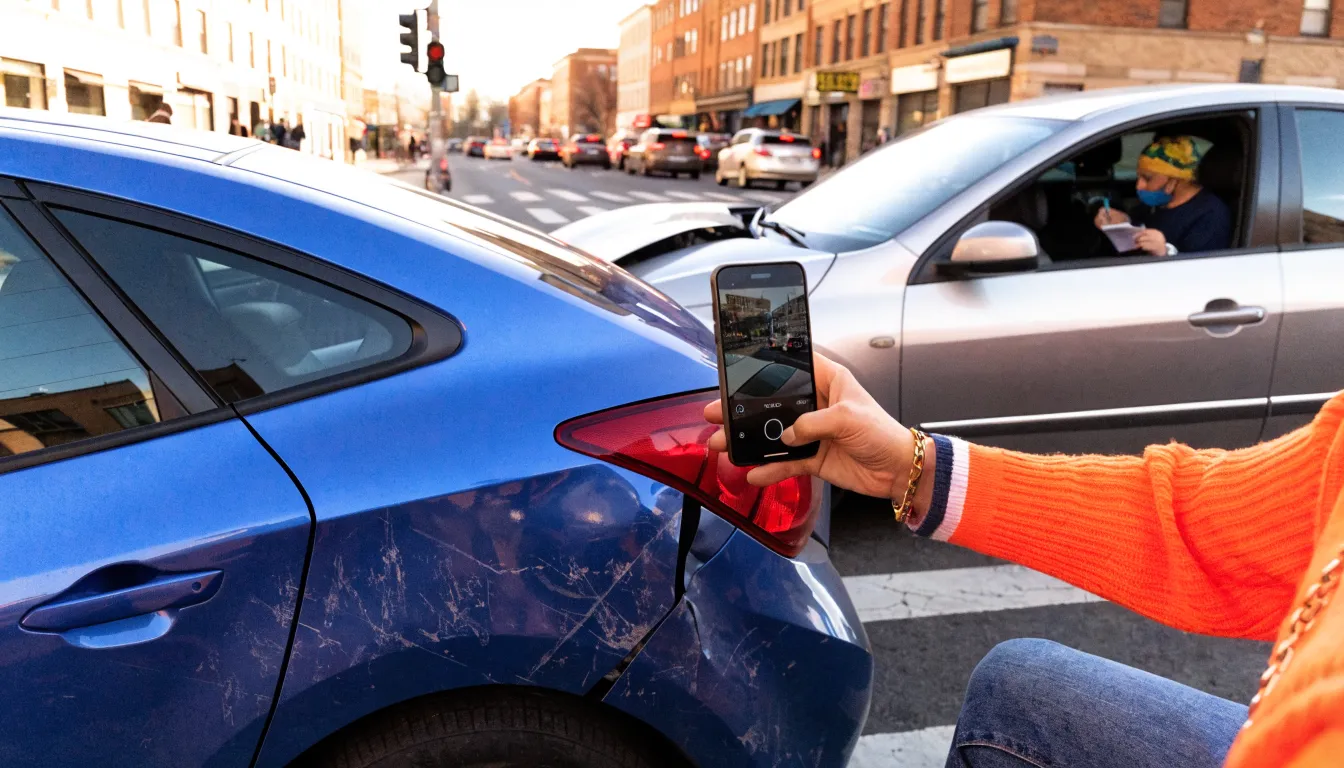
At-scene documentation (most valuable):
- Photographs of all vehicle damage from multiple angles
- Photos of the accident location, including road conditions and relevant signage
- The other driver's license plate, driver's license, and insurance card
- Contact information for any witnesses
Post-incident documentation:
- A detailed written account of the incident—date, time, location, and sequence of events
- Dashcam footage, if you have it
- Medical records, if injuries occurred
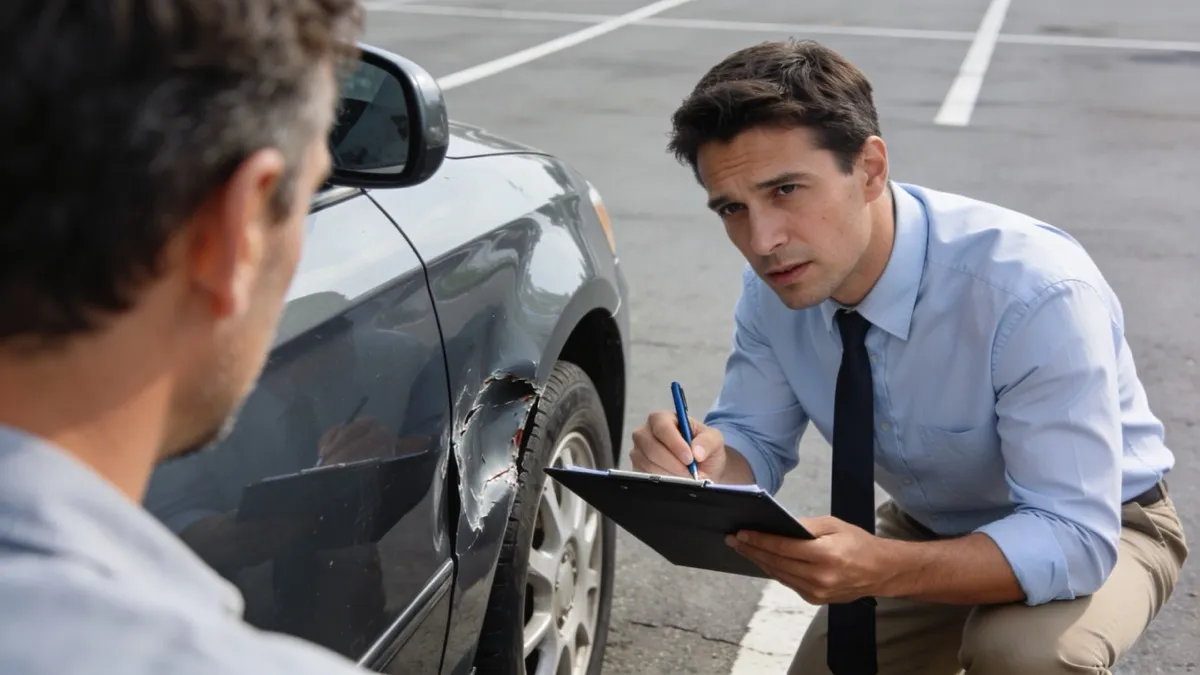
- Repair estimates from qualified auto body shops
Delayed reporting options:
- Many police departments accept accident reports filed within 24 to 72 hours
- Some jurisdictions allow online reporting for property-damage-only incidents
- DMV accident reports can supplement insurance claims in some states
The goal is simple: gather everything the police would have documented if they'd responded to the scene.
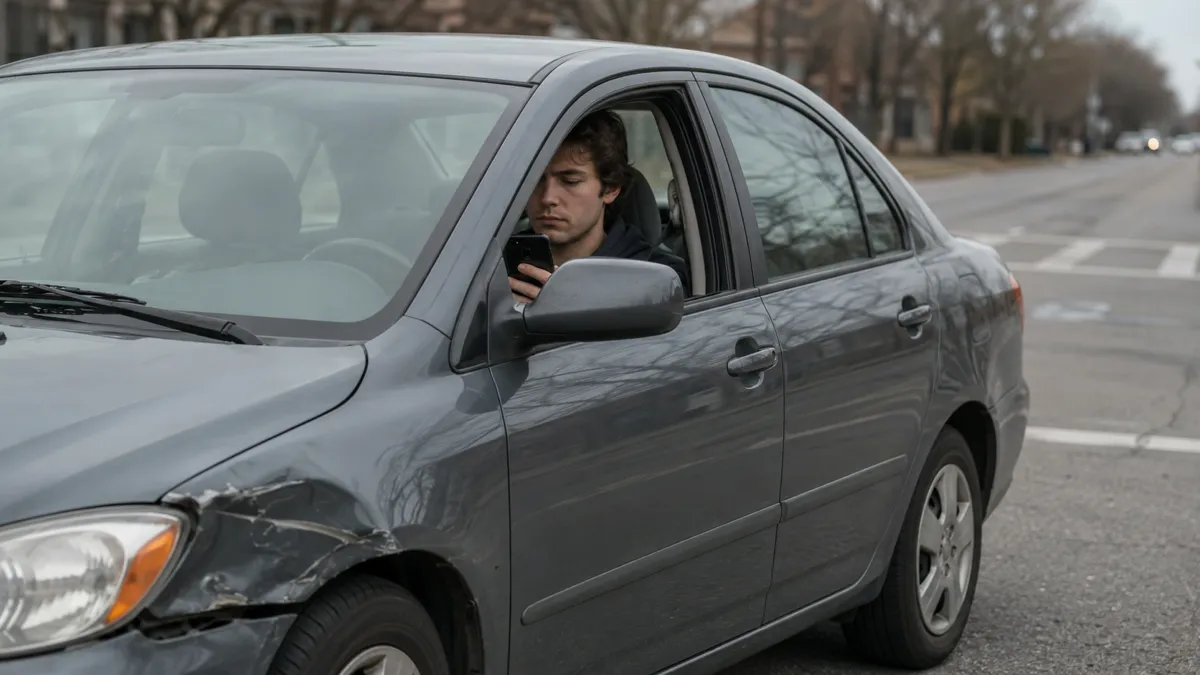
Hit-and-Run Situations: Special Considerations
Hit-and-run incidents present unique challenges. Filing a police report is strongly recommended for several reasons:
- It creates an official record that you didn't cause the damage
- It documents that the responsible party is unknown or fled
- Many insurance policies require "reasonable efforts" to identify the responsible party
- Some uninsured motorist coverage requires a police report for hit-and-run claims
Without a report, insurers may question whether the damage was actually caused by another driver or came from an unreported at-fault incident. That skepticism can lead to claim denials.
If you discover hit-and-run damage after the fact, file a police report as soon as possible—even if hours or days have passed. A delayed report is significantly more useful than no report.
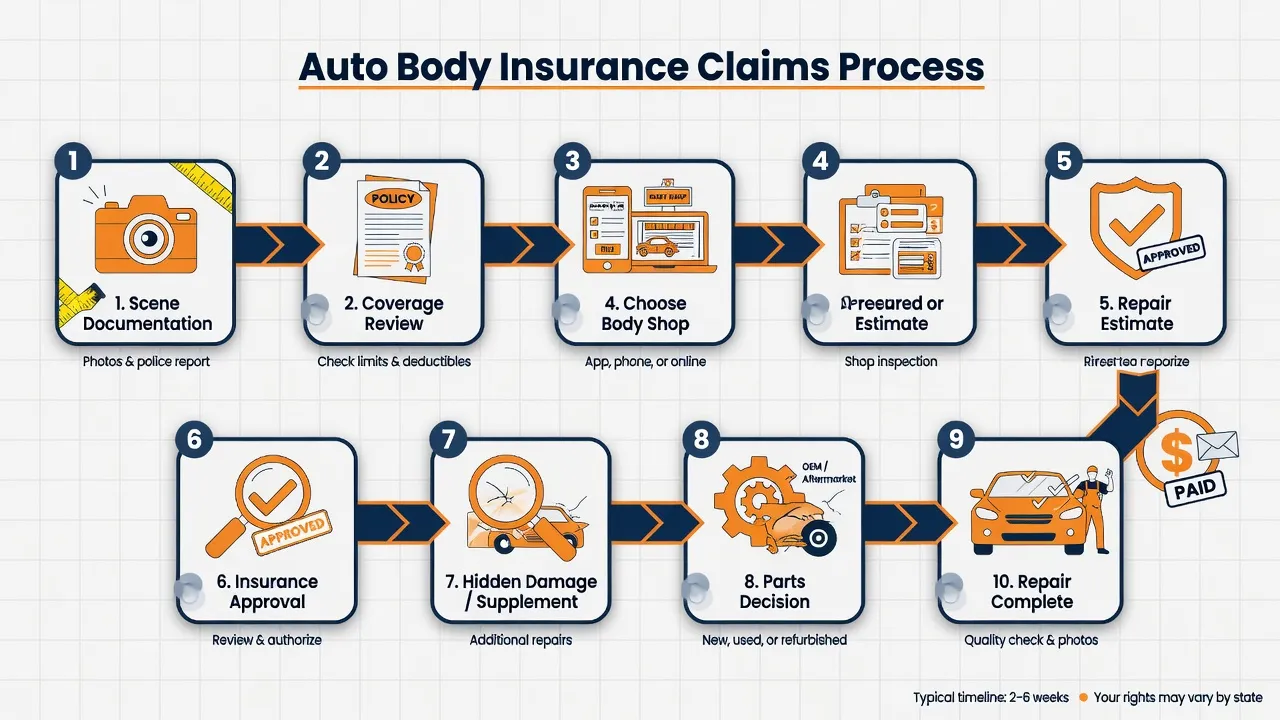
Step-by-Step: Filing a Claim Without a Police Report
- Document everything immediately. Take photos of damage, gather witness information, and write down all details while they're fresh.
- Exchange information. If another driver is involved, collect their license, registration, and insurance information.
- Contact your insurance company promptly. Report the incident within 24 hours when possible.
- Provide complete documentation. Submit photos, written statements, and any other evidence you gathered.
- Consider filing a delayed report. Contact local police about filing a report after the fact—especially for significant damage or disputed liability.
- Follow up in writing. Keep records of all communications with the insurance company.
Related: auto body shop insurance claim guide
Related: what to do when someone hits your car
Related: insurance adjuster tactics
Related: find a collision repair shop
Sources
- Insurance Information Institute — auto insurance claims statistics
- National Association of Insurance Commissioners — state insurance commissioner consumer resources
Key Takeaways
Filing an insurance claim without a police report is possible in most situations. It just requires more thorough documentation from you. First-party claims filed with your own insurance tend to go smoothly with alternative documentation. Third-party claims against another driver's insurance face more scrutiny and potential disputes.
For hit-and-run incidents, file a police report even if it's delayed. It significantly strengthens the claim and may be required by some policies.
The most important step is thorough documentation at the scene. Photos, witness information, and detailed notes are your substitute evidence when no official report exists.
Disclaimer: Insurance processes vary by state, carrier, and policy. Consult your specific policy documents and state insurance regulations for applicable requirements.