
Insurance adjusters are trained to settle claims for as little as possible. Here are the specific tactics they use — and what you can do about each one.
How Insurance Adjusters Actually Work
Insurance adjusters aren't your advocates. They work for the insurance company, and their performance is measured partly by how much money they save on claims. That's not a cynical take — it's just how the job works. Understanding their tactics is the best way to protect yourself.
Common Adjuster Tactics That Cost You Money
The Quick Settlement Offer
An adjuster calls within 48 hours of your accident with a "generous" offer. They want you to settle before you've seen a doctor, gotten a proper repair estimate, or discovered hidden damage. Quick settlements almost always favor the insurer. Full stop.
The Low Initial Estimate
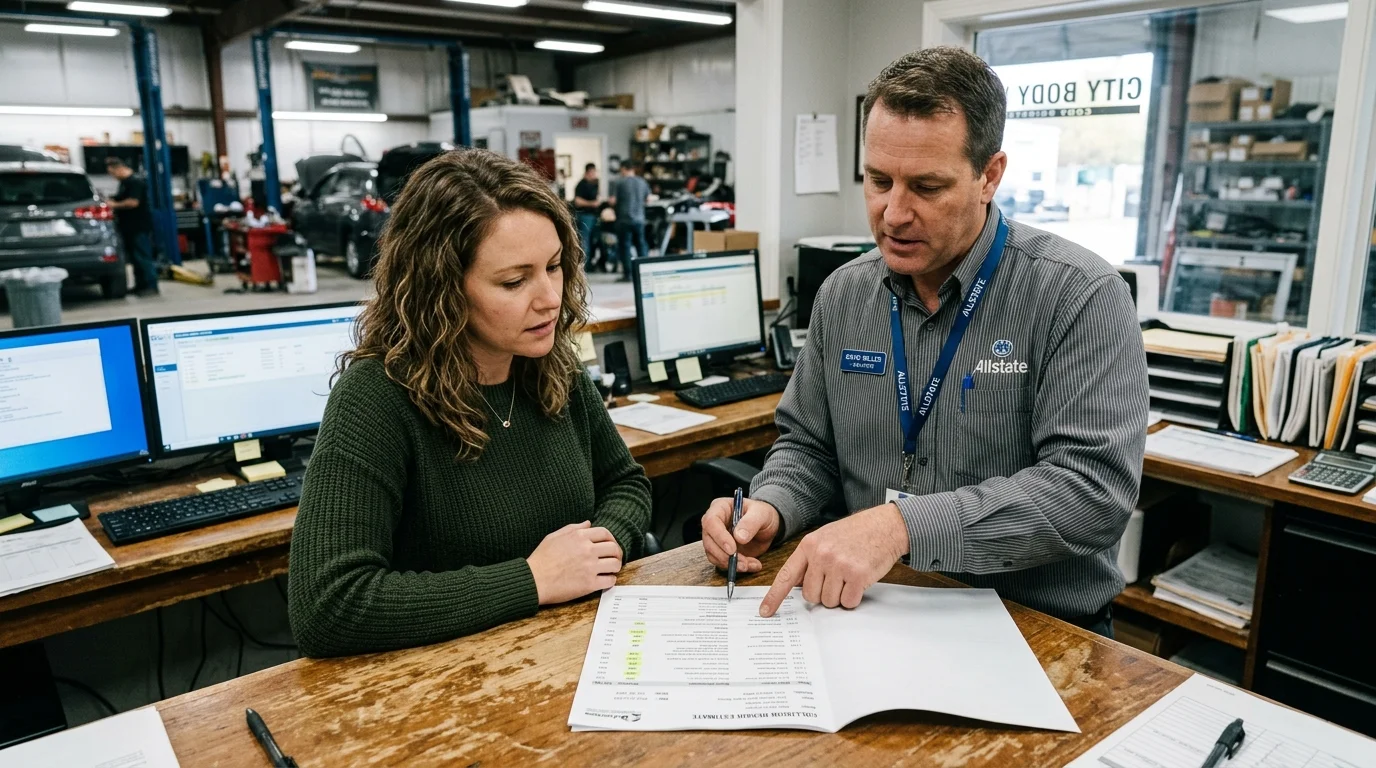
The adjuster writes an estimate that's 20-40% below what your body shop charges. They'll use lower labor rates, substitute aftermarket parts, and skip things they consider "optional" — like blending adjacent panels to match paint.
This is a negotiating position. The insurer expects your shop to submit a supplement for the difference. But if you don't know supplements exist, you might just accept the low number and move on.
Recorded Statement Requests
Your insurer may ask for a recorded statement "for the file." You're generally required to cooperate with your own insurer, but you're not required to give a recorded statement to the other driver's insurance company. Anything you say can be used to reduce your claim.
Delay Tactics
Slow responses. Repeated requests for documents you've already sent. "Lost" paperwork. These aren't accidents — delays put pressure on you to accept a lower offer just to end the process. If an adjuster takes more than 30 days to respond, most states treat that as an unfair claims practice.
The "Prevailing Rate" Argument
Your body shop charges $68/hour for labor. The insurer only wants to pay $52/hour. They'll cite a "prevailing rate" for your area as justification. Ask them to show you the survey data behind that number. Many insurers use outdated or cherry-picked rate surveys that don't reflect what shops in your market actually charge.
How to Protect Yourself
Document Everything From Day One
Photograph all damage before anything moves. Save every text, email, and letter from the insurance company. Log every call — date, time, who you spoke with, and what was said. This record is your protection if things escalate.
Don't Accept the First Offer
It's almost never the best offer. Get an independent estimate from a shop you trust. If the numbers don't match the insurer's, ask your shop to contact the adjuster directly. Shops deal with this all the time.
Use the Appraisal Clause
If you and the adjuster can't agree on repair costs or total loss value, most policies include an appraisal clause. Each side hires an independent appraiser, and a neutral umpire settles the dispute. It costs $200-500, but it resolves most disagreements without going to court.
When to Escalate
- Ask for a supervisor. Frontline adjusters have limited authority. A supervisor can often approve amounts the initial adjuster couldn't.
- File a state complaint. Contact your state's Department of Insurance. A formal complaint triggers an investigation — and insurers know it.
- Consult an attorney. For disputes over $5,000, a free consultation with an insurance bad faith attorney can clarify your options fast.
The adjuster's job is to close your claim for as little as possible. Your job is to make sure "as little as possible" is still a fair amount.
Sources
- Insurance Information Institute — auto insurance claims statistics
- National Association of Insurance Commissioners — state insurance commissioner consumer resources
- Federal Trade Commission — Auto Warranties — consumer rights regarding auto repair and warranties
- Insurance Information Institute — insurance guidance for consumers