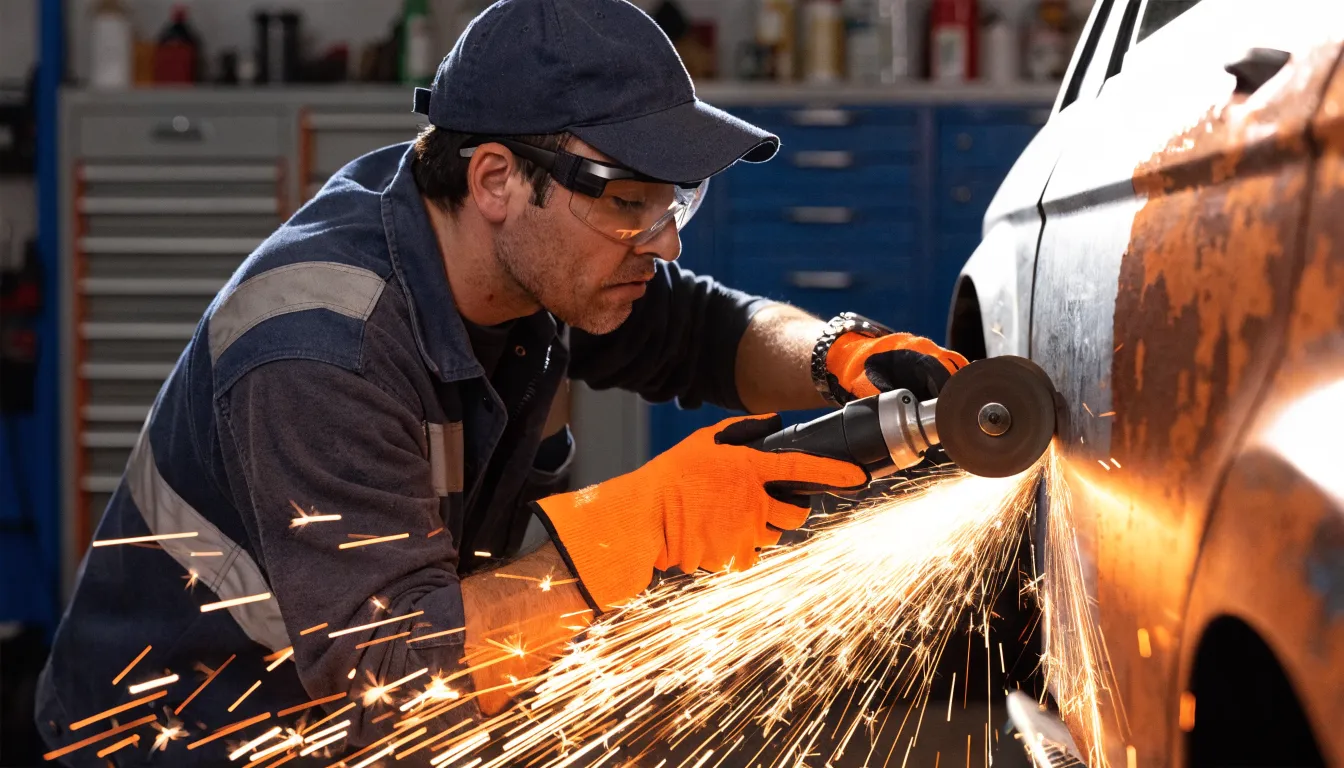
Rust is one of the most deceptive problems a car can have. What looks like a small patch of surface discoloration can sometimes signal deeper corrosion eating through metal panels, floor sections, or structural components. Finding body shops that fix rust — and finding the right one for the job — requires knowing what to look for before committing to any shop or estimate.
This guide covers how to evaluate a rust repair shop, what questions to ask, which certifications matter, the main types of rust repair, and what realistic costs to expect. Car owners who understand the process make better decisions and are far less likely to overpay for work that doesn't last.
Why rust repair is different from general collision work
Not every body shop handles rust the same way, and not all body shops that do rust repair are equally qualified. Collision repair focuses on restoring a vehicle after an impact. Rust repair deals with progressive metal degradation that may have spread well beyond what's visible from the outside.
Rust forms when iron in steel is exposed to oxygen and moisture over time. Surface rust (also called oxidation) affects the top layer of paint and metal. Scale rust goes deeper, causing the metal to pit and weaken. Penetrating rust — the most serious type — eats all the way through metal panels and can compromise a vehicle's structural integrity.
A shop that's excellent at bumper work or paint touch-ups may not have the equipment, welding skills, or fabrication experience to properly address penetrating rust. That's why finding rust repair specialists, rather than a general body shop, often leads to better outcomes for anything beyond minor surface treatment.
What to look for in a rust repair shop
Equipment and fabrication capability
Effective rust repair often requires more than paint and filler. Shops that handle serious rust damage should have:
- MIG welding equipment, for welding in new metal panels when existing metal is too corroded to save
- Plasma cutting tools, for cleanly removing rusted sections before fabrication
- Panel fabrication skills — the ability to shape and fit replacement metal when exact OEM panels are unavailable or impractical
- Media blasting equipment, for stripping rust from surfaces before treatment, more thorough than hand grinding alone
A shop that relies primarily on body filler (sometimes called Bondo, a brand name for a polyester filler) to cover rusted areas is not doing durable rust repair. Filler applied over active rust will fail within one to two years as corrosion continues underneath.
Verifiable experience with rust work
General body shop experience doesn't automatically translate to rust repair expertise. When evaluating a car rust removal shop, look for shops that can show completed rust repair projects — before-and-after photos, examples of panel replacement or patch welding, and vehicles with documented rust histories that were successfully treated.
Word of mouth from other car owners, particularly in rust-prone states like those in the Midwest and Northeast where road salt accelerates corrosion, is one of the strongest indicators of a shop's rust repair capabilities.
Transparent inspection and diagnosis process
A reputable rust repair shop will inspect a vehicle thoroughly before providing an estimate. This typically involves lifting the vehicle on a hoist to examine the undercarriage, checking floor pans, rocker panels (the metal sections running along the bottom sides of the car), wheel wells, and frame rails.
Shops that offer an estimate without this kind of inspection are likely underquoting. The final bill may be significantly higher once hidden rust is discovered mid-repair.
Types of rust repair: what shops actually do
Understanding the main repair approaches helps car owners evaluate whether a shop's proposed method is appropriate for the damage at hand.
Surface rust treatment
Surface rust — where only the top layer of paint and a thin layer of metal are affected — can often be treated without replacing metal. The process involves:
- Sanding or grinding down to bare metal
- Applying a rust converter or inhibitor (a chemical that neutralizes remaining rust and prevents re-oxidation)
- Applying primer and paint
This approach works for small spots caught early. It's not appropriate for rust that has progressed to pitting or penetration.
Patch panel welding
When rust has eaten through a panel but the damage is localized, a qualified shop can cut out the corroded section and weld in a patch — either a fabricated piece of metal or a pre-stamped patch panel manufactured to match common rust locations on popular vehicles (wheel arches, rocker panels, floor sections).
Welded patches, done properly, are as strong as the original metal. They require grinding, filling, priming, and painting to blend with the surrounding surface. This is where welder skill and paint quality both matter significantly.
Full panel replacement
When rust damage covers a large portion of a panel — a full door, fender, quarter panel, or floor section — replacement of the entire panel may be more practical than patching. OEM replacement panels are available for many popular vehicles. For older or rarer models, a shop may need to source used panels or fabricate replacements.
Full panel replacement is more labor-intensive than patching but produces cleaner results when done well. It also eliminates the risk of missing additional rust that could compromise a smaller patch repair.
Rust encapsulation and undercoating
For rust in areas that are difficult to fully remove — particularly undercarriage sections — some shops apply rust encapsulants (thick coatings that seal rust in place and prevent further oxidation) and protective undercoating. This is a maintenance approach rather than a full repair, and it works best when applied before rust has become severe.
Ask shops to be clear about which method they're proposing and why, since each approach has different durability expectations and cost implications.
Certifications that matter when finding rust repair shops
I-CAR welding qualifications
Inter-Industry Conference on Auto Collision Repair (I-CAR) certification is the most widely recognized training credential in the collision repair industry. I-CAR's Welding Test program qualifies technicians to produce structurally sound welds in different positions and material thicknesses — directly relevant to patch panel and metal replacement work. When evaluating body shops that do rust repair, asking whether welding technicians hold I-CAR welding qualifications is a reasonable starting point.
ASE and OEM certifications
Automotive Service Excellence (ASE) certifications, particularly ASE B2 (Painting and Refinishing), cover the paint work involved in rust repair, though ASE doesn't offer a rust-specific credential. OEM certification programs from vehicle manufacturers indicate a shop has invested in proper equipment and training — a positive sign even when the program isn't rust-repair-specific. Both credentials signal professional standards and ongoing technician education.
Questions to ask a rust repair shop before committing
Before authorizing any rust repair work, get clear answers to these questions:
1. Will you inspect the vehicle on a lift before providing the final estimate?
A complete undercarriage inspection is necessary to identify all rust before quoting. Shops that skip this step risk underbidding, and car owners may face unexpected cost increases once the work begins.
2. What repair method do you recommend, and why is it appropriate for this damage?
A shop should explain whether they plan to use surface treatment, patch welding, or panel replacement, and their reasoning should align with the severity of the rust.
3. Do your technicians have I-CAR welding qualifications?
For any work involving metal repair or replacement, welding quality directly affects structural integrity and the longevity of the repair.
4. Will you use body filler over any areas that still have active rust?
Applying filler over active rust is a shortcut that produces a repair that looks good initially but fails within one to two years. Reputable shops don't apply filler over untreated rust.
5. What rust prevention treatment will be applied after the repair?
Good rust repair includes a plan for preventing re-oxidation — whether through primer, paint, sealant, undercoating, or a combination.
6. Do you provide a warranty on rust repair work?
Warranty terms vary, but shops that stand behind their work will typically offer some coverage. Understand exactly what the warranty covers and for how long.
Red flags when evaluating body shops that do rust repair
Not every shop that advertises rust repair delivers lasting results. Watch for these warning signs:
- Estimates provided without a vehicle inspection — accurate rust repair quotes require seeing the damage in person, including the undercarriage
- No discussion of the repair method — a shop that simply quotes a price without explaining what they plan to do isn't giving you enough information to evaluate the work
- Unusually low estimates — rust repair is labor-intensive; an estimate significantly lower than others for the same scope may indicate shortcuts, most commonly applying filler over rust rather than removing it
- No before-and-after photos of previous work — shops that regularly perform quality rust repairs should have examples to show
- Pressure to authorize work immediately — rust repair decisions benefit from getting multiple estimates; a shop that pushes you to commit on the spot is a concern
- Guarantees of no further rust — no shop can guarantee rust will never return; credible shops explain what they can and can't control
What good and poor rust repair looks like in practice
Consider a car owner in a northern climate who noticed bubbling paint along the rear wheel arch of a 10-year-old sedan. One shop quoted a fast, low-cost repair: grind the surface, apply filler, repaint. A second shop lifted the vehicle for a full inspection and found the rust had penetrated the wheel arch and begun spreading to the adjacent rocker panel. That shop proposed cutting out the corroded sections, welding in patch panels, and applying a rust inhibitor before priming and painting.
The second repair cost roughly twice as much. Three years later, the properly welded repair showed no signs of rust returning. The first approach — filler over compromised metal — typically looks acceptable for 12 to 18 months before rust reappears beneath the paint, requiring the job to be done again.
This is why searching for auto body rust repair near me should prioritize quality and process over price. The lower quote doesn't always mean the lower total cost.
Cost expectations for rust repair
Rust repair costs vary widely based on the type and extent of damage, the vehicle, and local labor rates.
| Repair type | Estimated cost range | Notes |
|---|---|---|
| Surface rust treatment (small area) | $150 to $500 | Appropriate for early-stage oxidation, small spots |
| Patch panel welding (single panel area) | $400 to $1,500 | Depends on panel complexity and labor hours |
| Full panel replacement (fender, door) | $800 to $2,500+ | Includes part cost, labor, paint |
| Rocker panel repair or replacement | $500 to $2,000 | Common rust location; labor-intensive |
| Floor pan repair | $1,000 to $4,000+ | Highly variable; structural work requires more care |
| Full undercarriage treatment | $500 to $1,500 | Encapsulation and undercoating; maintenance approach |
Cost ranges are estimates based on national averages as of 2026. Actual costs vary by geographic market, vehicle make and model, and the specific scope of damage found during inspection. Labor rates in major metropolitan areas typically run 30 to 50% higher than rural markets.
Getting multiple quotes and where to find rust repair shops
When collecting estimates, the lowest price is rarely the most important factor. Compare scope of work, the proposed repair method, whether OEM or aftermarket panels are being used, the paint process (including whether a proper clear coat is included), and warranty terms. Getting at least two or three written estimates for the same scope of work allows for meaningful comparison.
Shops in the Rust Belt (Midwest and Northeast states, including Ohio, Michigan, Pennsylvania, New York, and Illinois) often have more rust repair experience than shops in drier climates due to local demand. Car owners in states like Florida — where coastal humidity and salt air accelerate corrosion — and throughout the Midwest should look specifically for shops with documented rust repair experience, not just general collision work.
Online reviews that specifically mention rust repair outcomes are useful.
Sources
- I-CAR (Inter-Industry Conference on Auto Collision Repair) — collision repair industry training standards
- NHTSA Vehicle Safety — federal vehicle safety and crashworthiness standards
- CCC Intelligent Solutions — collision repair cost benchmarks and industry data
- Insurance Information Institute — auto insurance and repair cost statistics
Frequently asked questions about body shops that fix rust
Can any body shop fix rust, or do I need a specialist?
Not every body shop has the welding equipment, fabrication skills, or experience required for serious rust repair. General collision shops can handle surface rust and minor spot repairs. For penetrating rust, patch panel welding, or structural rust damage, shops with specific rust repair experience and certified welders produce more reliable results.
How long does auto body rust repair take?
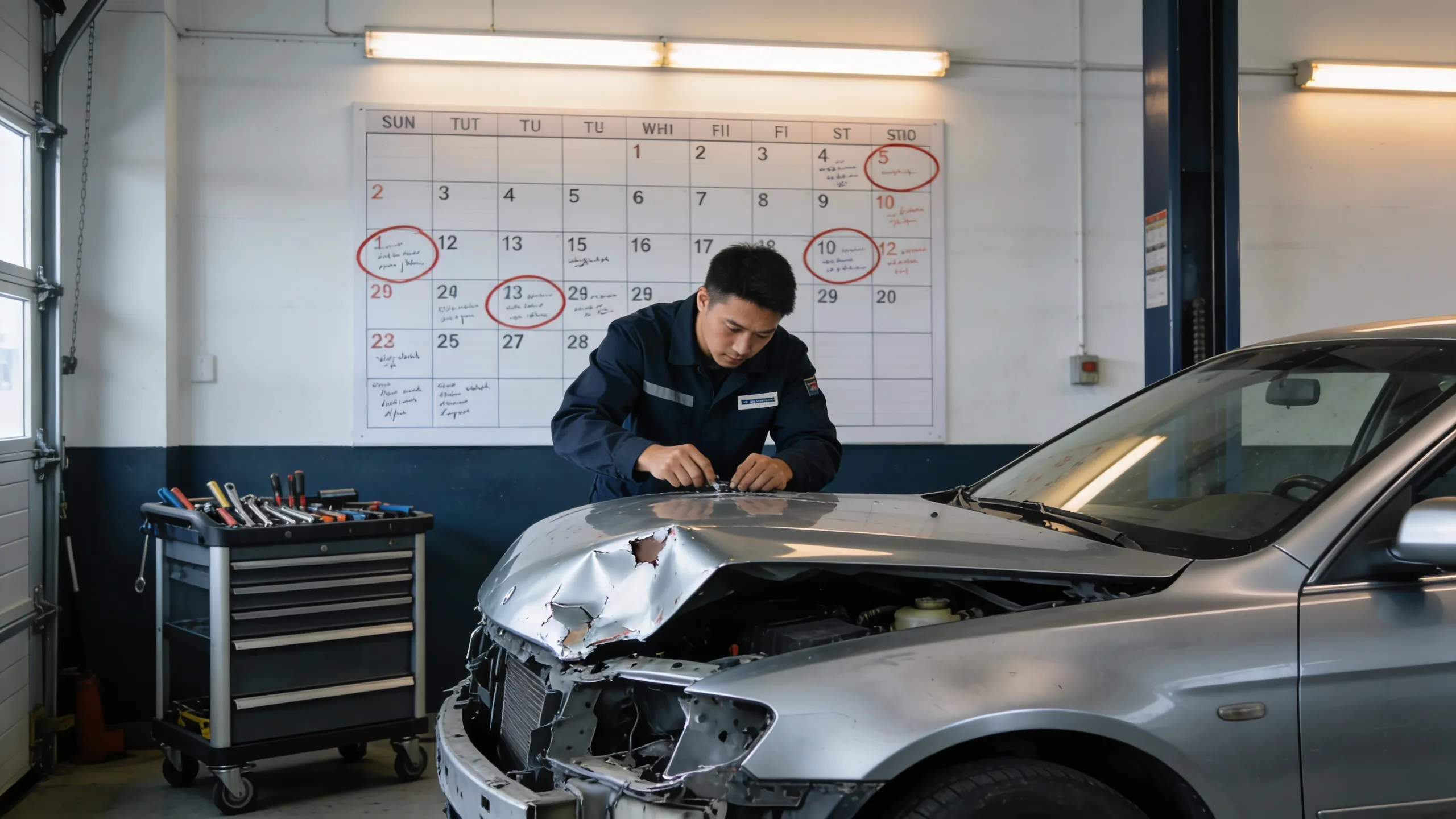
Repair timelines depend on the scope of work. Surface rust treatment on a small area may be completed in one to two days. Patch panel welding and painting typically takes three to five business days. Extensive repairs involving multiple panels or structural areas can take one to two weeks or longer, particularly if parts need to be sourced.
Does rust repair affect resale value?
Properly repaired rust — corroded metal replaced rather than covered — can stabilize a vehicle's condition and prevent further value loss. Documentation of quality repairs from a reputable shop supports resale value better than visible rust or a failed prior repair that concealed ongoing corrosion.
Will insurance cover rust repair?
Standard auto insurance policies typically exclude rust damage because it's considered gradual deterioration rather than a sudden covered event. Exceptions may apply if rust resulted directly from a collision. Review your specific policy and contact your insurance provider for clarification.
What is the difference between rust treatment and rust repair?
Rust treatment uses chemical or coating processes to slow or stop rust without removing corroded metal — converters, encapsulants, and undercoating fall in this category. Rust repair involves physically removing corroded metal and replacing it with sound material. Treatment works for contained surface rust; repair is necessary when rust has penetrated through metal or compromised structure.
How can I tell if a shop is doing real rust repair or just covering it up?
Ask to see the bare metal repair area before filler or primer is applied. A shop doing genuine rust repair should be willing to walk you through the process at key stages. Unwillingness to allow any inspection mid-repair is a meaningful red flag.
Key takeaways
Finding body shops that fix rust well — not just quickly or cheaply — requires a bit of upfront research. Here's what to carry forward:
- Not all body shops are equipped for serious rust repair. Look for shops with welding capability, fabrication experience, and a track record of rust-specific work.
- The inspection should come before the estimate. A complete undercarriage inspection is necessary for an accurate quote; skipping it often leads to cost surprises.
- Understand the repair method being proposed. Surface treatment, patch welding, and panel replacement are appropriate for different levels of rust damage, and the proposed method should match the severity of the problem.
- I-CAR welding qualifications are the most relevant credential to look for in rust repair technicians.
- Low estimates may signal shortcuts. Filler applied over active rust looks acceptable initially but fails within one to two years.
- Get multiple written estimates and compare scope, method, materials, and warranty — not just price.
- Rust repair costs vary widely, from $150 for small surface treatment to $4,000 or more for structural floor pan work, depending on severity and location.