What qualifies as a fender bender?
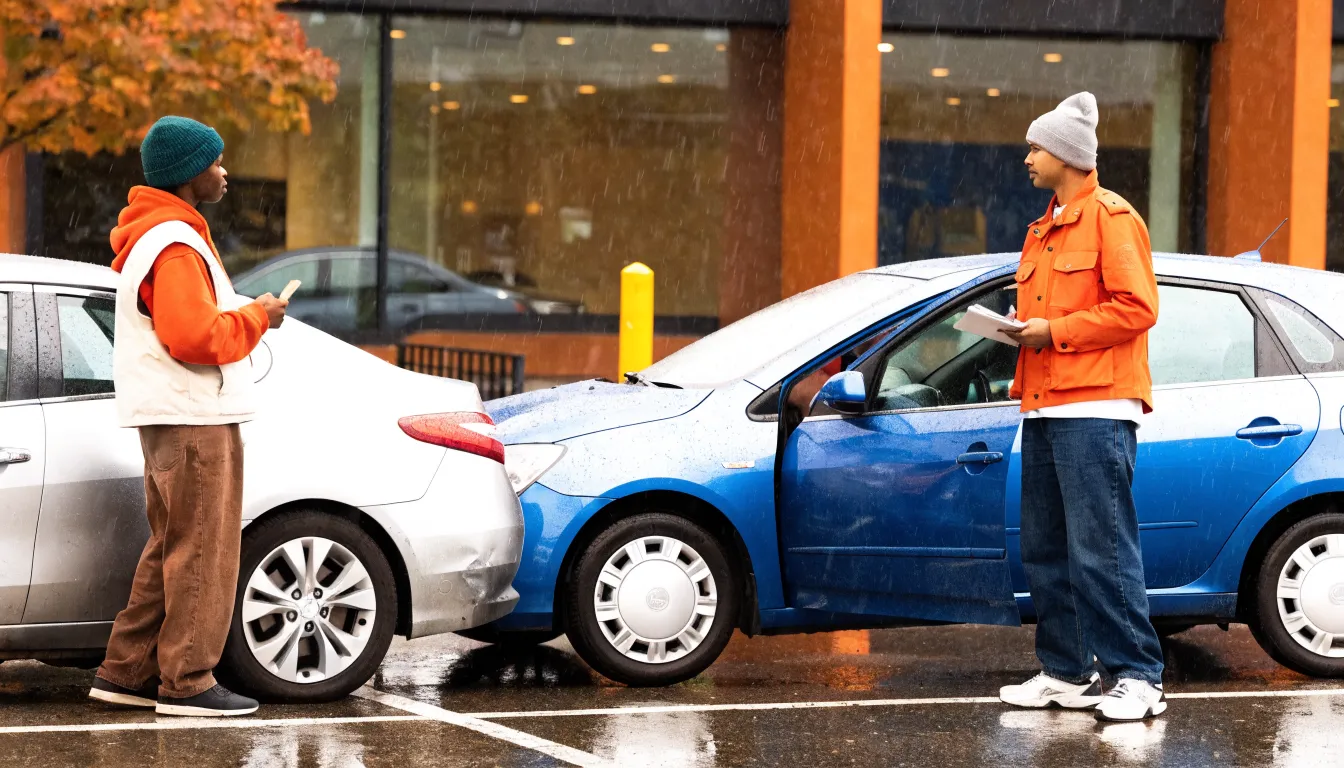
A fender bender is a low-speed collision causing cosmetic or minor structural damage, typically to the front or rear, without disabling the vehicle or causing serious injury. Common scenarios:
- Rear-end collisions under 15 mph
- Parking lot impacts with stationary objects or vehicles
- Slow-speed sideswipes during traffic or merging
- Backing into posts, curbs, or garage doors
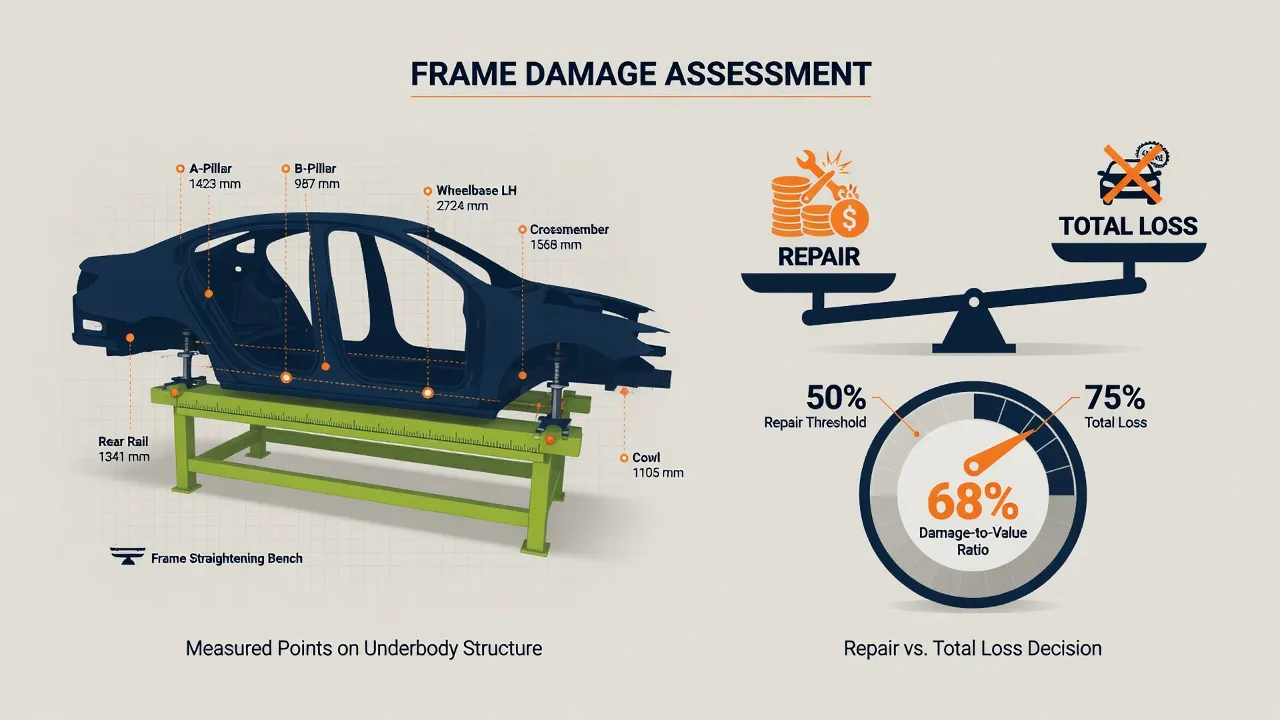
The critical distinction from serious damage is the absence of structural damage to the frame or unibody. That said, hidden frame distortion is possible even at low speeds. Don't assume minor-looking damage is always minor.
How shops assess fender bender damage
Trained estimators document visible damage through photos and measurements, identify affected panels, and use measuring equipment to check for frame or unibody shifts on significant impacts. That assessment drives the final estimate.
Immediate steps after a fender bender
Step 1: Move to safety
If vehicles are drivable and blocking traffic, move to a safe area and turn on hazard lights.
Step 2: Check for injuries
Even low-speed collisions can cause soft-tissue injuries like whiplash. Call 911 if anyone reports pain, dizziness, or confusion.
Step 3: Call the police if needed
Many states require police reports when property damage exceeds $500–$1,000. An official record protects you against future insurance disputes.
Step 4: Document everything
Photograph damage from all angles—wide shots and close-ups both. Capture license plates, VINs, and environmental details. Get witness contact information while you're there.
Step 5: Exchange information
Collect the other driver's name, phone, insurance details, license plate, driver's license number, and vehicle information. Give them yours in return.
Step 6: Notify your insurance company
Contact your insurer promptly. Reporting doesn't obligate you to file a formal claim. It just gets the process started.
Fender bender repair cost by damage type
| Damage Type | Typical Repair Method | Average Cost Range | Typical Timeline |
|---|---|---|---|
| Bumper scuff or scratch | Spot repair and paint blend | $300–$600 | 1–2 days |
| Minor dent (no paint damage) | Paintless Dent Repair (PDR) | $75–$300 | Same day to 1 day |
| Bumper dent with paint damage | Panel repair and repaint | $500–$1,200 | 2–4 days |
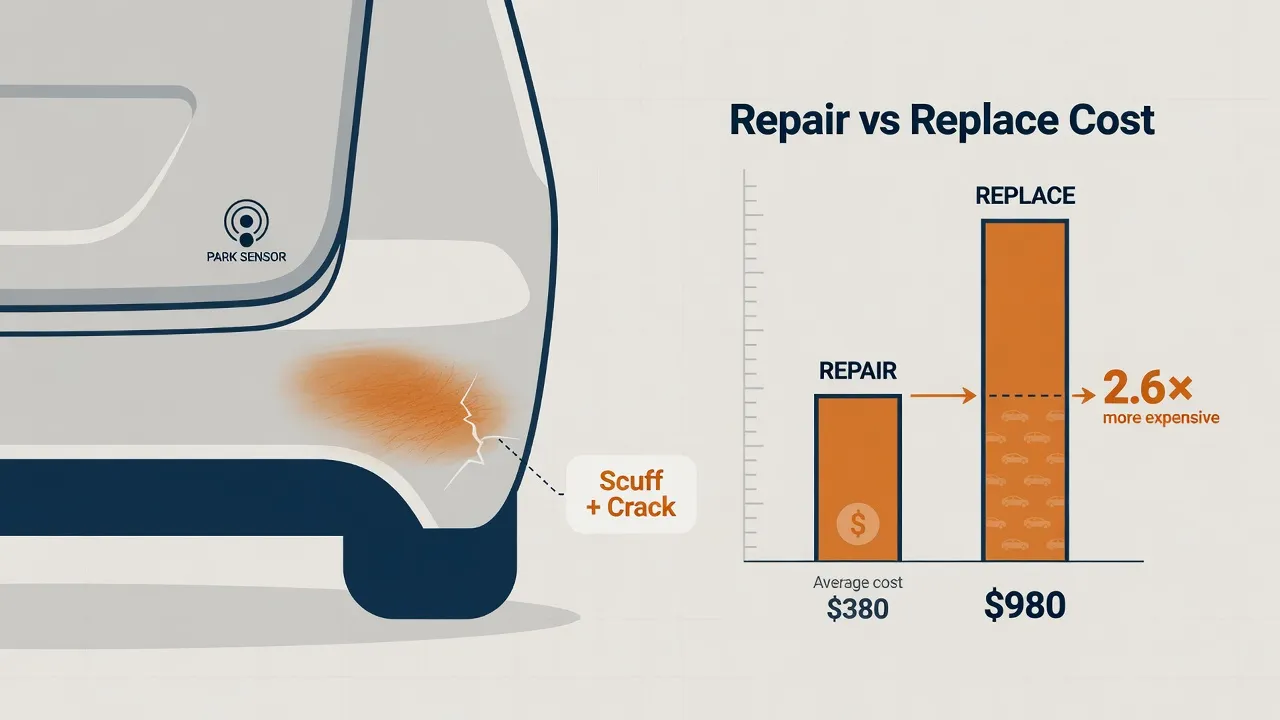
| Cracked or broken bumper cover | Bumper cover replacement and paint | $800–$1,800 | 2–4 days |
| Fender dent (moderate) | Metal repair and repaint | $700–$1,500 | 2–5 days |
| Fender replacement | New panel, prep, and paint | $1,200–$2,500 | 3–6 days |
| Multiple panel damage | Combined repair or replacement | $1,500–$3,500+ | 4–8 days |
General range: Fender bender repair typically runs $300 to $3,000 or more depending on panels affected, impact severity, and hidden electronic components.
Why the same accident can produce very different repair bills
Two similar collisions at identical speeds can cost dramatically different amounts. A basic sedan may need only crease repair and paint blending. A newer luxury SUV with embedded parking sensors and radar modules requires sensor removal, testing, and recalibration. Get written estimates from multiple shops before committing to anything.
How fender bender repair actually works
Disassembly and damage mapping
Shops remove damaged panels or bumpers to access underlying structures. This often reveals additional damage that wasn't visible externally. Your estimate may go up after teardown—that's normal, not a scam.
Metal work and panel repair
Technicians reshape dented metal fenders using pulling tools and hammers. When reshaping would compromise structural integrity, replacement is the better call. Plastic or TPO bumper covers can be heat-reshaped for minor damage. Cracked or severely deformed covers get replaced.
Paintless Dent Repair (PDR): the cost-saving option for minor dents
PDR uses long metal rods to massage dents from behind panels without touching the factory paint. It works best when paint is intact and metal isn't sharply creased. PDR typically costs 50–70% less than traditional repair and often finishes same-day.
Priming, painting, and final reassembly
After metalwork or panel installation, shops apply primer, body filler (if needed), and sealer before painting. Technicians match color using paint codes from door jamb stickers. Blending feathers new paint into adjacent factory panels to prevent visible mismatches. Clear coat goes on, cures, and then trim gets reassembled and inspected.
Fender bender insurance claim: when to file and when to pay out of pocket
When filing a claim makes sense
Filing is generally the right move when:
- Repair estimates significantly exceed your deductible
- The other driver was at fault and their liability coverage should pay
- The other driver disputes fault
- Any injury is possible, creating potential liability claims
- Out-of-pocket costs are more than you can comfortably absorb
You always have the legal right to choose your own repair facility, regardless of which insurer is handling the claim.
When paying out of pocket may be smarter
Out-of-pocket payment can make sense when:
- Repair estimates are near or below your deductible
- You've filed recent claims and worry about rate increases
- The other driver agrees to pay directly without involving insurance
- Damage is purely cosmetic with no safety or functionality impact
Insurance rate increases vary by carrier, state, and claim history. Review your specific policy terms before deciding.
The hidden damage risk: why "minor" collisions deserve a real inspection
Front-end fender benders on ADAS-equipped vehicles can misalign radar and camera sensors mounted near bumpers. An impact that shifts a bumper cover slightly can throw sensors out of calibration without triggering a warning light. Your safety systems are now operating outside their design parameters. You won't necessarily know it.
Rear-end taps can shift bumper beams and reduce their crash-absorption ability in future collisions. A professional inspection is worth it—even when the visible damage looks minor.
Repair timeline: how long does fender bender repair take?
- Bumper scuff or minor scratch: 1–2 days
- PDR for a simple dent: Same day to 1 business day
- Single panel with paint damage: 2–4 business days
- Bumper cover replacement with paint: 2–4 business days
- Fender replacement: 3–6 business days
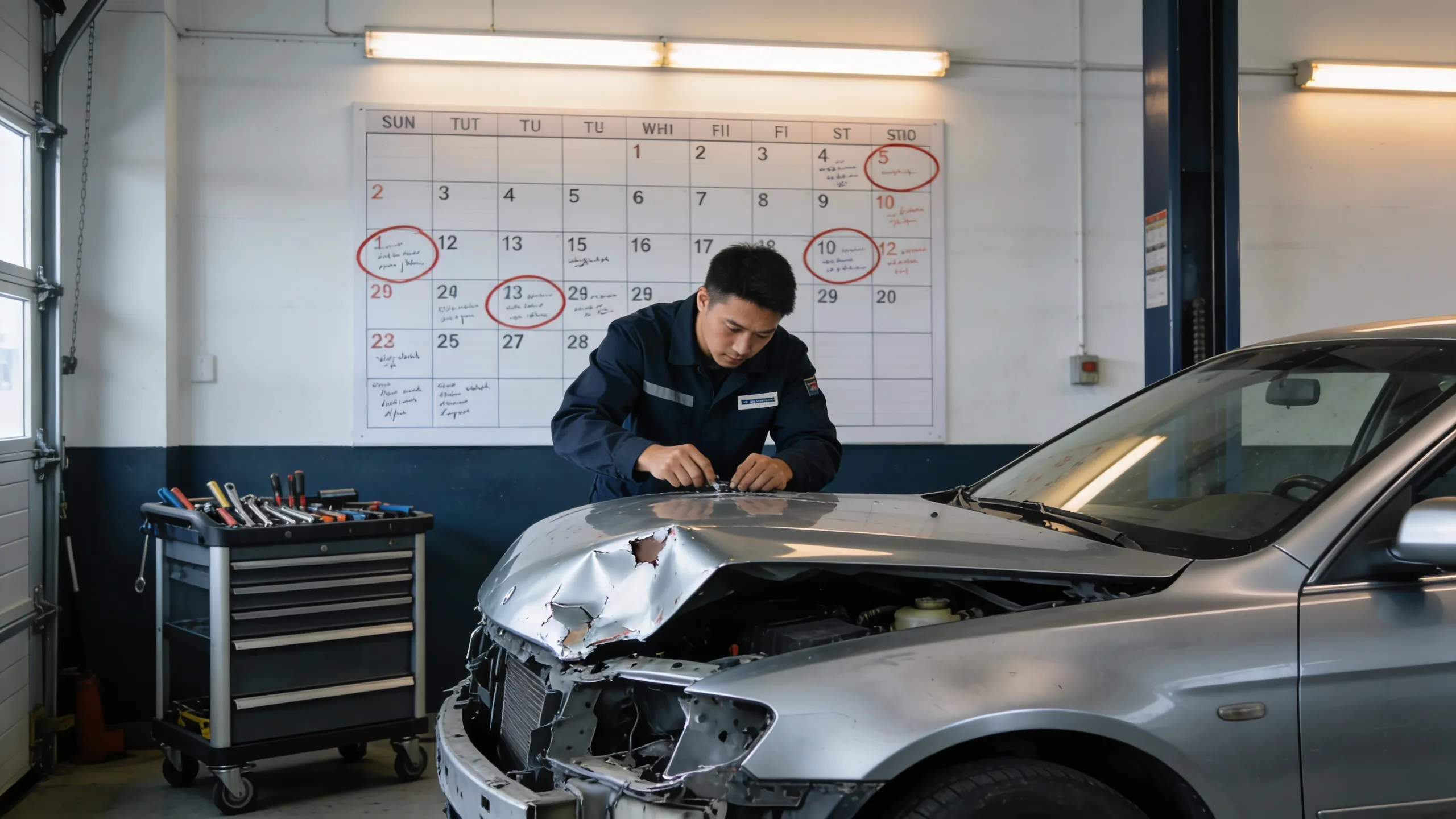
- Multiple panels or complex electronics work: 5–10 business days
Parts availability affects everything. OEM parts guarantee exact fit but may take longer to arrive. Aftermarket parts come faster, with variable quality. Confirm the rental car situation and check whether your insurance covers rental reimbursement before you drop off the vehicle.
Choosing a shop for fender bender repair
Written estimates. Always request itemized written estimates listing each damaged component, labor hours, parts (OEM or aftermarket), and paint materials. Verbal estimates protect nobody if the final bill comes in higher.
Warranty. Reputable shops provide written warranties covering physical repairs and paint finish. Lifetime paint warranties are common. One to three-year terms are also standard. Get it in writing.
Certifications. I-CAR Gold Class certification means technicians complete ongoing collision repair training. OEM certifications from manufacturers mean the shop meets specific equipment and training requirements. For newer ADAS-equipped vehicles, OEM-certified shops matter more.
Key takeaways
- Fender bender repair cost ranges from $300 for simple scuffs to $3,500+ for multiple panels or electronics. Get written estimates from multiple shops.
- Immediate steps matter. Document the scene thoroughly, exchange complete information, and notify your insurer promptly—even if you haven't decided on a formal claim yet.
- Hidden damage is real. Low-speed collisions can affect sensors and structural components that aren't visible externally. Get an inspection.
- PDR saves money on the right damage. When paint is intact and metal isn't sharply creased, PDR cuts costs by 50–70% versus traditional methods.
- You choose your shop. Insurers can't legally mandate specific repair facilities. You retain the right to select any licensed auto body shop.
Frequently asked questions about fender bender repair
How much does fender bender repair cost on average?
Average fender bender repair costs fall between $500 and $1,500 for single-panel moderate damage. Simple scuffs run $300–$600. Multiple panels, bumper replacement, or electronics work can reach $3,000+. Costs vary by vehicle, local labor rates, and specific damage.
Is it worth fixing a fender bender?
For most owners, yes—especially when damage affects safety systems, when the vehicle will be sold, or when out-of-pocket costs are manageable. Unrepaired bumper damage reduces impact absorption in future collisions. Cosmetic-only damage on older vehicles is sometimes left alone based on budget priorities.
Will a fender bender raise insurance rates?
Filing at-fault claims typically results in rate increases at renewal, though amounts vary by carrier, state, and claim history. Some insurers offer accident forgiveness for first incidents. Paying out of pocket generally doesn't affect rates. Check your policy before deciding.
How long does fender bender repair take?
Most single-panel repairs take two to four business days. Multiple panels, bumper replacement, or electronics work takes five to eight business days. PDR for simple dents often completes same-day. Parts availability can stretch timelines.
Can I drive the car after a fender bender?
Usually yes—fender benders typically leave vehicles operational. But driving with damaged bumpers, loose panels that could separate at highway speeds, or miscalibrated ADAS sensors is a real safety risk. Do a quick inspection before you drive away.