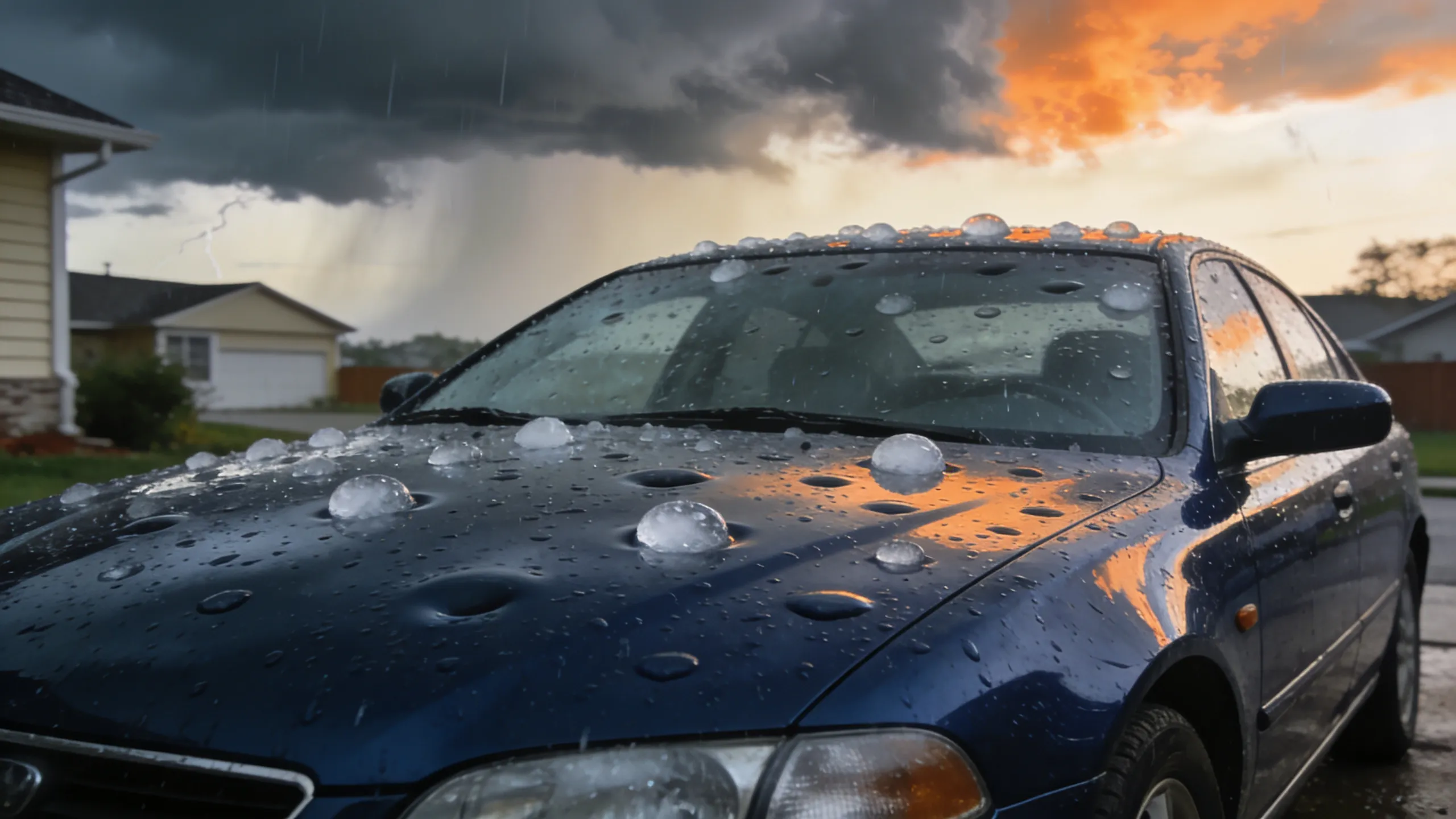
The best car cover for hail protection in 2026 is the Hail Protector inflatable system for maximum defense, and the Kayme Multi-Layer Hail Cover for the best value under $60. Standard car covers made from thin polyester or vinyl do almost nothing against hailstones, but purpose-built hail covers with padded layers, EVA foam, or inflatable chambers can prevent thousands of dollars in dent damage. With severe convective storms causing $51 billion in U.S. insured losses in 2025 alone (Aon, "2025 Climate and Catastrophe Insight," January 2026), a $40–$550 car cover is one of the cheapest forms of protection you can buy.
Key Takeaways
- Inflatable hail covers like the Hail Protector ($549+) stop any size hailstone and are the only covers tested to withstand baseball-sized hail on national television.
- Multi-layer padded covers ($40–$80) protect against pea-to-marble-sized hail but offer limited defense against golf-ball or larger stones.
- Standard 1–3 layer car covers are NOT hail covers , they protect against UV, dust, and light rain but won't prevent dent damage.
- The average hail damage repair costs $2,500–$8,000, and filing a complete claim can increase your premium by 2–10% for 3–5 years.
- Custom-fit covers from Covercraft ($200–$400) offer the best daily-driver protection against sun, scratches, and light weather, but are not designed as primary hail shields.
How We Evaluated These Covers
We compared four categories of car covers across the criteria that matter most for real-world protection: hail impact resistance, UV protection, breathability, fit accuracy, ease of installation, and overall value. For hail specifically, we looked at layer count, padding material (EVA foam, XPE, cotton, inflatable chambers), and the maximum hailstone size each cover is rated to handle. We also factored in customer reports from hail-prone states like Texas, Colorado, Kansas, and Oklahoma.
One important distinction upfront: there is a difference between a car cover that happens to offer some hail resistance and a cover specifically engineered to stop hailstones. Most covers marketed as "hail proof" fall into the first category. Only a few products are genuinely built around hail as the primary threat.
Best Overall Hail Cover: Hail Protector Inflatable System
Why it stands out
The Hail Protector is the only car cover system that uses inflatable air chambers rather than fabric layers to absorb impact. The cover drapes over your vehicle and inflates to create a cushioned shell roughly 2–3 inches thick. It has been independently tested on the History Channel, Discovery Channel, and NBC, and is engineered to stop any size hailstone nature produces, including baseball-sized stones that would total an unprotected vehicle.
How it works
The system installs in about 5 minutes and fully inflates in another 5 minutes. It comes with three power sources: a AA battery pack (1 hour of inflation), a car accessory plug (3 hours), and a standard AC cord for continuous use. The included smartphone app (iOS and Android) sends weather alerts so you can deploy the cover before a storm arrives. Independent testing confirms the cover remains stable in winds up to 80 mph.
What to know before buying
The Hail Protector starts at $549 for sedans and runs higher for trucks and SUVs. That price makes it a serious investment, but consider the math: one moderate hail event averages $2,500–$8,000 in repair costs, plus the premium increase and resale value hit. The cover pays for itself in a single storm. The downsides are bulk (it doesn't fold down as small as a fabric cover) and the fact that you need a power source for inflation, so it's not a set-and-forget daily cover.
Best Premium Daily Cover: Covercraft WeatherShield HP
Why it stands out
Covercraft is the industry standard for custom-fit car covers, and the WeatherShield HP is their best all-climate outdoor fabric. Every cover is cut to your specific vehicle's year, make, and model, including mirror pockets, antenna grommets, and contoured edges. The solution-dyed fabric ensures zero color transfer to your paint.
Protection profile
The WeatherShield HP excels at water dispersion , moisture beads on contact and can be shaken off in seconds, giving it the fastest dry time of any cover we reviewed. It provides strong UV protection and prevents scratches from debris, tree sap, and bird droppings. For hail, however, the single-layer fabric provides limited cushioning. It will protect against very small hailstones (pea-sized) and reduce the velocity of slightly larger ones, but it's not designed as a primary hail shield.
What to know before buying
Custom-fit Covercraft covers run $200–$400 depending on vehicle size. Full-time outdoor use shortens the lifespan to roughly 12–18 months based on customer reports, though garaged vehicles that use the cover during daytime parking get significantly more life. Covercraft also offers a Heavy-Duty WeatherShield for more intense weather defense, which adds padding but still falls short of purpose-built hail covers. If you need protection after a fresh paint job, pair a Covercraft cover with a ceramic coating for maximum paint preservation.
Best Value Hail Cover: Kayme Multi-Layer Hail Protector
Why it stands out
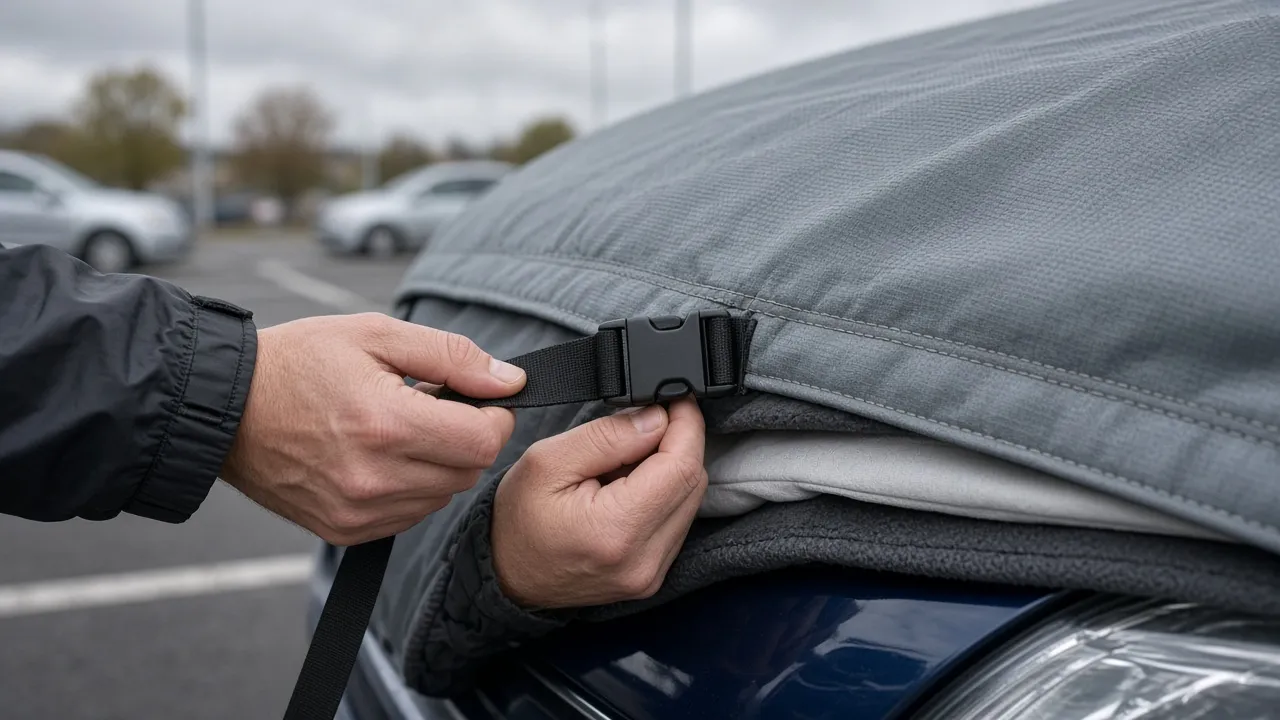
The Kayme Hail Protector Cover delivers genuine padded protection at a fraction of the Hail Protector's price. The cover uses thickened XPE material over the roof and window areas , the zones most vulnerable to hail impact , combined with PE, PEVA waterproofing layers, reflective aluminum for UV, and soft cotton against the paint. The result is a cover that handles pea-to-marble-sized hail effectively.
Real-world performance
Customer reports from hail-prone areas are encouraging. A Kansas user reported avoiding an estimated $3,000 in damage during an unpredicted storm, crediting the cover's padded layers. The cover includes three windproof straps and four reflective night-visibility stripes. One limitation: the universal-fit sizing means it may not cover every vehicle perfectly, and several customers reported that the thicker hail section doesn't extend fully over larger sedans.
What to know before buying
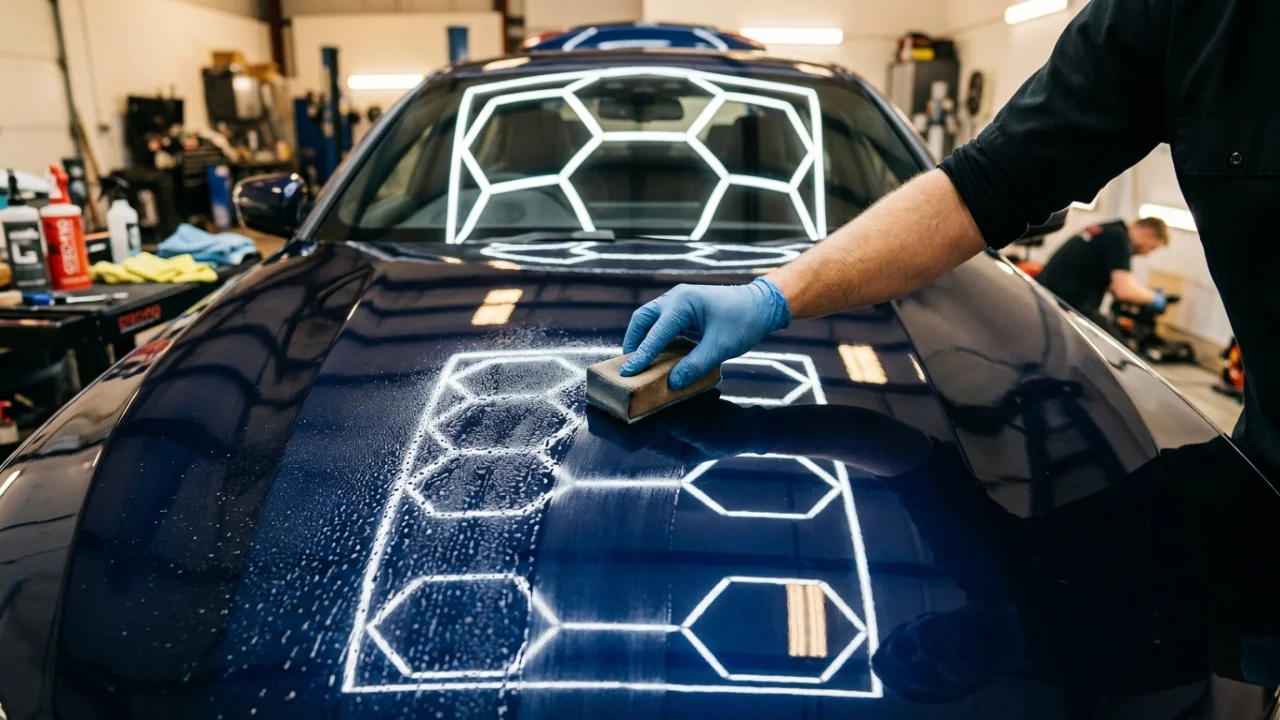
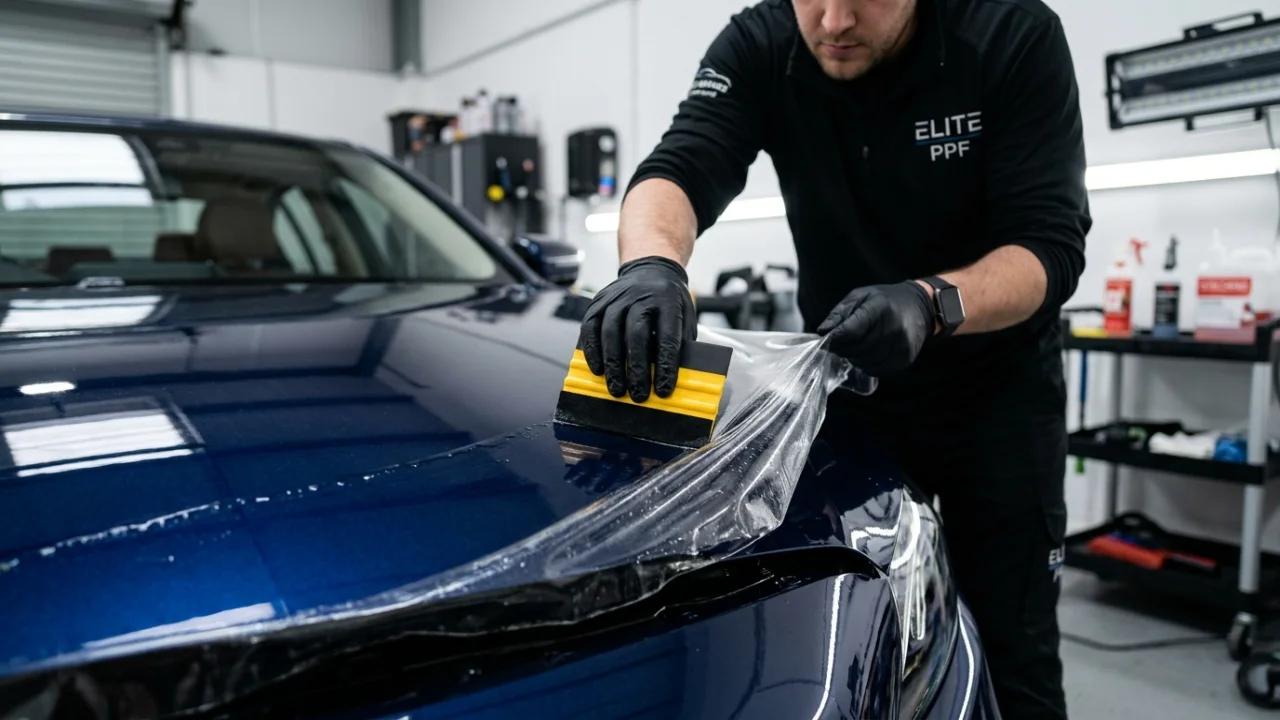
The Kayme Hail Protector runs $40–$60 depending on size. It comes with a 12-month warranty. For golf-ball-sized or larger hail, this cover will reduce but not eliminate damage , the XPE padding is effective against stones up to roughly 25mm. If you live in severe hail territory (Colorado Front Range, central Texas, Oklahoma), the inflatable Hail Protector is the safer investment. For occasional hail risk, the Kayme offers excellent value. Pair it with paint protection film on high-impact areas for layered defense.
Best Budget All-Weather Cover: Leader Accessories Platinum Guard
Why it stands out
If your primary concerns are UV, rain, and scratch protection with a bonus of light hail resistance, the Leader Accessories Platinum Guard is the best budget option. The 3-layer construction uses a waterproof outer shell, a middle breathable layer, and a soft inner lining that prevents paint scratching. It's not a hail cover by design, but the layered construction provides more cushioning than single-layer alternatives.
Protection limits
The Leader Accessories cover handles light weather events well , rain, snow, dust, UV, and tree debris. For hail, it offers marginal protection against pea-sized stones only. Anything marble-sized or larger will dent through the cover. The universal-fit sizing comes in multiple tiers, and the elastic hem provides a reasonably snug fit for most vehicles in its size range.
What to know before buying
At $30–$50, this is the entry point for outdoor car covers that actually work. The tradeoff is durability: heavy UV exposure in Sun Belt states will degrade the fabric within 6–12 months of daily outdoor use. The cover includes a storage bag and is machine-washable, which extends its usable life if you clean it periodically. This is the right cover for someone who needs sun and scratch protection daily with a small bonus of light weather resistance, not for someone whose primary concern is hail.
Understanding Hail Cover Protection Levels
Not all hail protection is equal, and marketing claims can be misleading. Here's how cover types actually perform against different hailstone sizes:
- Pea-sized hail (6–10mm): Any multi-layer cover (3+ layers) provides adequate protection. Even a standard Covercraft or Leader Accessories cover will prevent denting from stones this small.
- Marble-sized hail (10–25mm): You need a padded cover with XPE, EVA foam, or thick cotton interlining. The Kayme Hail Protector handles this range. Standard fabric-only covers won't.
- Golf-ball-sized hail (25–45mm): Only inflatable covers or professional-grade padded blankets reliably prevent damage at this size. The Hail Protector inflatable system is the consumer product rated for this range.
- Baseball-sized hail (45mm+): Only the Hail Protector inflatable system has demonstrated protection at this size. No fabric cover, regardless of layer count, will stop stones this large.
One layer of protection shields against hail up to 20mm, while two padded layers protect against hail up to 50mm (J.D. Power, "What Is a Hail Proof Car Cover?," 2025). Beyond that, inflatable air cushioning is the only proven consumer solution.
The Insurance Math: Why a Car Cover Pays for Itself
Hail damage is covered under complete insurance, but filing a claim has hidden costs. Beyond your deductible ($250–$1,000 for most policies), a complete claim can increase your premium by 2–10% for 3–5 years. Over a five-year window, that premium increase alone can cost more than the cover.
There is also the resale value hit. Hail damage history shows up on vehicle reports like Carfax, reducing resale value by 10–30% even after repairs (Carfax, "How Weather Damage Affects Vehicle Value," 2025). A $60 cover protecting a $30,000 vehicle from a single storm is a return on investment that's hard to beat.
For vehicles that have already been through hail damage repair, a cover prevents the frustration of repeat damage. Check our guide on hail damage repair costs to understand what you're protecting against, and see all your hail damage repair options if you're dealing with existing damage. For general protection after any auto body repair, a quality cover is one of the simplest ways to preserve the work.
How to Choose the Right Cover for Your Situation
- You park outdoors in Hail Alley (CO, TX, OK, KS, NE): The Hail Protector inflatable system is the only product that reliably stops large hail. The $549+ price is justified by the frequency and severity of storms in these states.
- You park outdoors in moderate hail areas: The Kayme Multi-Layer Hail Protector at $40–$60 provides meaningful protection against typical hailstorms without the inflatable system's cost or complexity.
- You primarily need sun/scratch/weather protection: The Covercraft WeatherShield HP ($200–$400) is the gold standard for daily outdoor coverage with custom fit and superior water dispersion. Light hail resistance is a bonus, not its purpose.
- You need basic outdoor protection on a budget: The Leader Accessories Platinum Guard ($30–$50) covers the essentials , UV, rain, dust, scratches , at the lowest price point that still delivers functional protection.
Frequently Asked Questions
Do car covers actually protect against hail?
Standard car covers made from single-layer polyester or vinyl don't meaningfully protect against hail. Purpose-built hail covers with padded layers (XPE, EVA foam) protect against pea-to-marble-sized hail, while inflatable covers like the Hail Protector stop hailstones of any size. The key difference is padding thickness and material , fabric layers alone don't absorb enough impact energy to prevent denting from stones larger than 10mm.
Is a car cover worth it for hail if I have complete insurance?
Yes, because a hail claim has costs beyond the deductible. Filing a complete claim can increase your premium by 2–10% for 3–5 years, and hail damage history reduces resale value by 10–30% on vehicle reports even after professional repair. A $40–$550 cover can prevent $2,500–$8,000 in repair costs per storm while avoiding the insurance and resale consequences entirely.
How fast can I put on a hail cover when a storm approaches?
Fabric hail covers like the Kayme take 3–5 minutes to deploy if you have practiced the process. The Hail Protector inflatable system takes about 5 minutes to drape over the vehicle and another 5 minutes to fully inflate. Most weather apps provide 15–30 minutes of warning before hail arrives, which is enough time for either type. The Hail Protector's companion app sends hail-specific alerts to give you advance notice.
Will a car cover scratch my paint?
A quality car cover with a soft inner lining (cotton or fleece) won't scratch clean paint. Scratching happens when dirt or debris is trapped between the cover and the paint surface. Always brush off loose dirt before covering your car, and wash the cover periodically to prevent grit buildup. Covercraft's solution-dyed fabrics are specifically tested for zero color transfer, and Kayme's cotton inner layer is designed to be paint-safe.
What size car cover do I need?
Custom-fit covers like Covercraft use your vehicle's year, make, and model for an exact fit. Universal covers use length measurements , measure your vehicle bumper-to-bumper and match to the manufacturer's size chart. A cover that's too small leaves panels exposed, while one that's too large flaps in wind and can cause scratching. For hail protection specifically, ensure the cover extends fully over the roof, hood, and trunk , the horizontal surfaces that take direct impact from falling hailstones.