How online auto body repair estimates work
An auto body repair estimate online typically comes from one of three sources: a body shop's own website, an insurance carrier's digital claims tool, or a third-party estimate platform. Each uses slightly different data to generate a quote.
Photo-based estimates
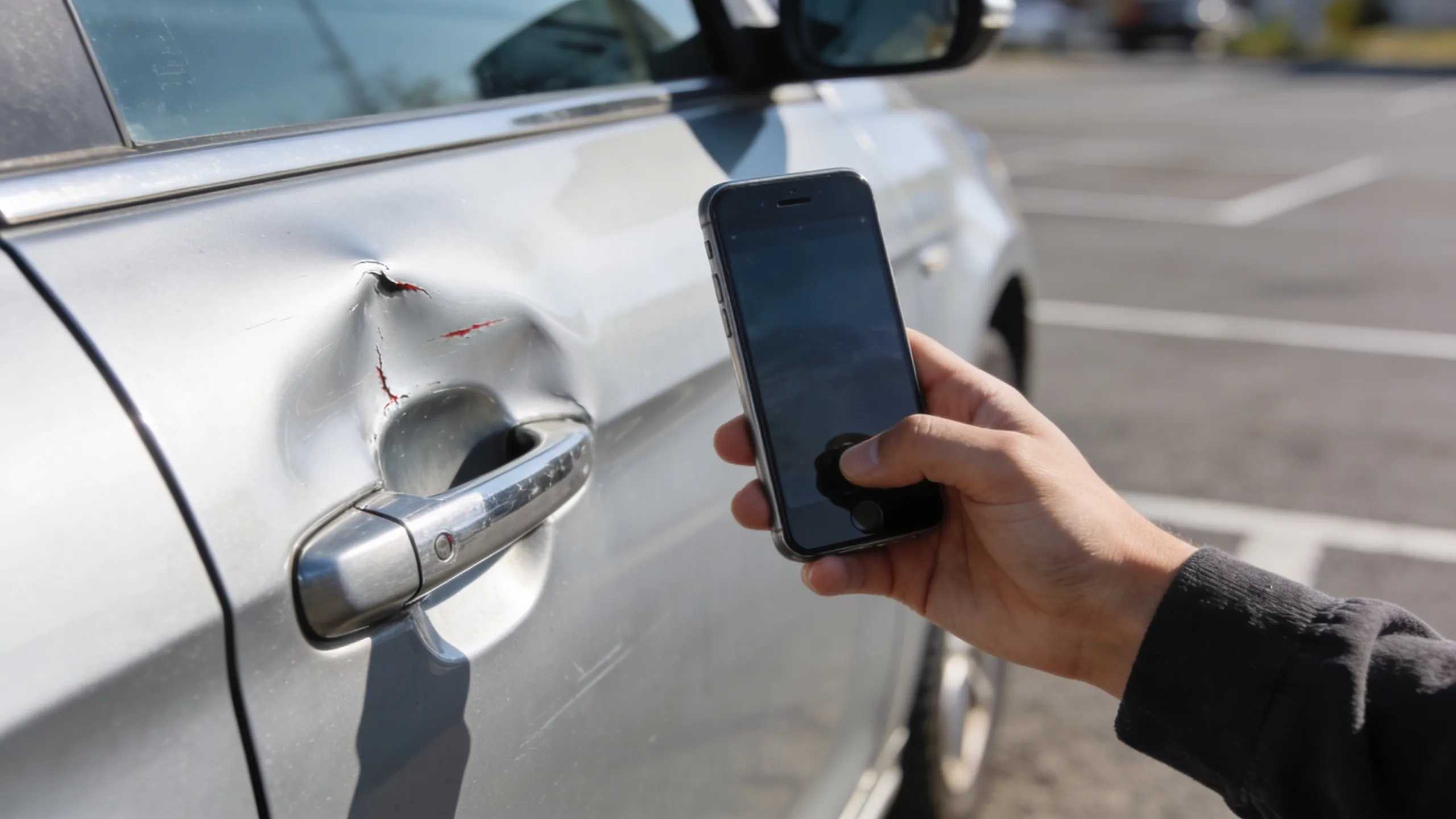
The most common online estimate method is photo submission. Car owners upload damage photos, and a human estimator or AI-powered tool generates a preliminary cost range. Most major insurance companies offer this through their mobile apps. Third-party platforms like Openbay and RepairPal allow photo submissions through their shop networks.
Photo-based estimates have a built-in limitation: cameras don't show everything. Hidden structural damage behind panels, broken mounting brackets, or torn components inside bumper assemblies are invisible in photos. Professional estimators call this "supplemental damage," and it frequently adds 15% to 40% to initial estimates once a vehicle is disassembled.
AI and algorithm-based tools
Several platforms now use artificial intelligence to analyze damage photos against large databases of historical repair costs, generating an estimate range within seconds. Accuracy depends heavily on photo quality. A well-lit, close-up shot of a crumpled quarter panel may produce a reasonable range. A blurry, shadowed photo of multi-panel damage will likely miss the mark.
Shop-to-consumer estimate request forms
Many auto body shops include an estimate form on their website where car owners submit photos and contact information. A shop estimator reviews the submission and follows up with a preliminary figure. This method is more human-driven and tends to produce more nuanced estimates, though it requires waiting — usually one to two business days.
What information makes an online estimate more accurate
More detail almost always produces a more useful number. Here's what to have ready before submitting a request.
Vehicle details: Year, make, model, trim level, and paint color code (usually on a sticker inside the driver's door jamb).
Damage photos: Taken in good natural lighting from multiple angles — straight-on, 45 degrees from each side, and close-ups of any punctures, deep creases, or broken components.
Insurance information: Whether the claim is going through insurance or being paid out of pocket, and the deductible amount if using insurance.
Even the most complete photo submission won't capture hidden damage. A physical inspection is always the final step.
Photo-based vs. in-person estimates: accuracy comparison
Whether a car body repair quote received online matches the shop's final charge depends on the damage type.
| Damage type | Photo estimate accuracy |
|---|---|
| Minor paint scratches | High |
| Dents (no paint damage) | Moderate to high |
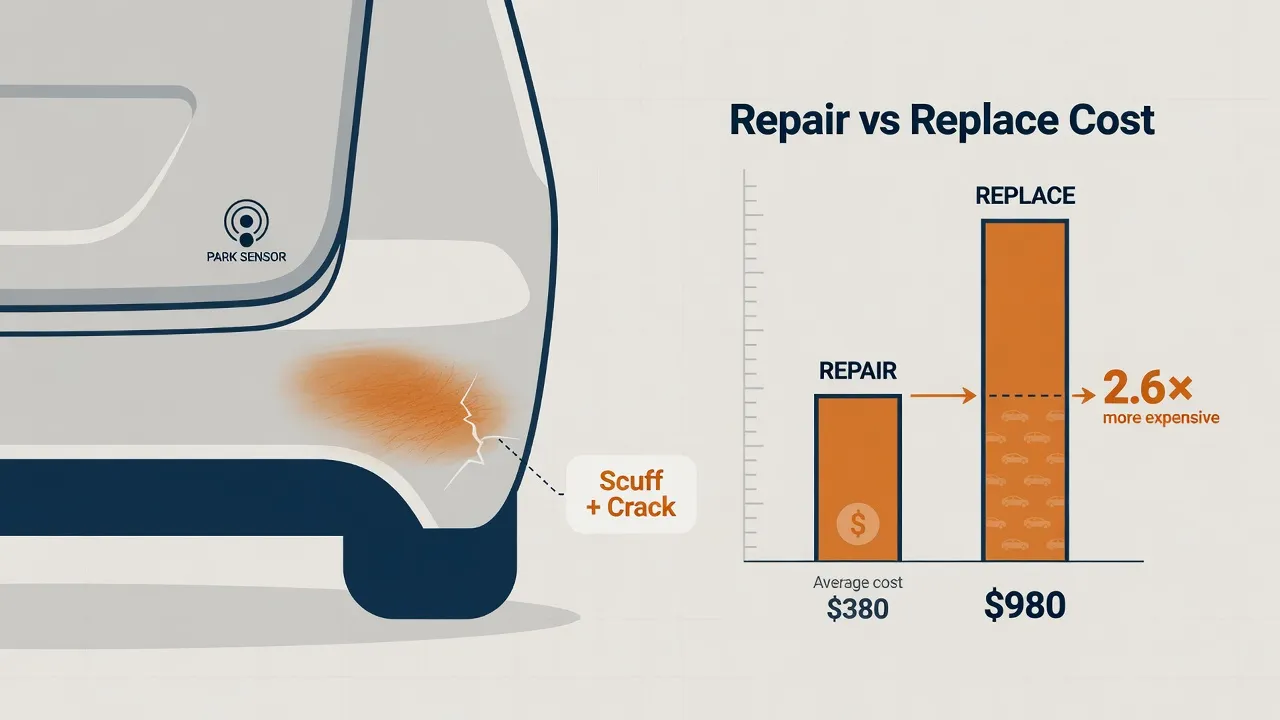
| Bumper scuffs / cracks | Moderate |
| Door damage | Moderate |
| Front-end collision | Low to moderate |
| Rear-end collision | Low to moderate |
| Multi-panel damage | Low |
For minor cosmetic damage — a parking lot door ding, a bumper scuff, light scratches — online estimates can be quite reliable. For anything involving meaningful collision force, treat the online estimate as a floor, not a ceiling. Reputable shops write a supplement once they've disassembled the vehicle and identified hidden damage. Insurance carriers are required to review and pay for documented supplemental damage.
Where to get a free auto body repair estimate online
Several categories of platforms offer free estimates. Each has different strengths and limitations.
Insurance carrier apps and portals
For damage covered under an auto insurance policy, most major carriers offer some form of digital photo estimation. State Farm, GEICO, and Progressive all allow damage photos to be submitted directly through their apps or portals. These tools are optimized for speed, but carrier-generated estimates may reflect the insurer's preferred cost controls. Independent shop estimates can differ significantly from what the carrier initially offers.
Third-party estimate platforms
Platforms that connect car owners with local shops include RepairPal (labor rate data and certified shop network), Openbay (photo submissions with competitive quotes), and Carwise (powered by Mitchell estimating software). Coverage is strongest in major metro areas and thinner in rural markets.
Direct shop websites
Many auto body shops have estimate request forms built into their websites. Searching for "auto body estimate near me" and visiting shop websites directly is a straightforward way to gather multiple preliminary quotes. Dealership-affiliated body shops often provide estimate requests through the dealership's service portal, though these estimates typically reflect OEM parts pricing, which runs higher than aftermarket alternatives.
Red flags to watch for when comparing online quotes
Certain warning signs indicate a car body repair quote may be unreliable.
Unusually low estimates without explanation. An estimate 40% to 60% below all others deserves scrutiny. It may reflect missed damage, lower-quality parts, or underquoting to win the job with costs added later. Ask for a line-item breakdown before proceeding.
No mention of parts type. Reputable estimates specify whether parts are OEM, aftermarket, or refurbished. OEM parts guarantee an exact fit. Aftermarket alternatives typically cost 20% to 40% less. Either can be appropriate — but the quote should be transparent about which is being used.
Missing paint and materials line item. Any repair involving paint must include a paint and materials charge. A bumper replacement requires painting the new cover to match the rest of the vehicle. An estimate without this line is incomplete.
No warranty information. Professional shops stand behind their work. Industry-standard warranties range from one year to a lifetime on workmanship. Shops unwilling to provide written warranty terms are a concern.
Pressure to decide immediately. An estimate is an offer. Car owners have every right to compare it against other shops before committing.
Tips for getting multiple quotes and comparing them fairly
Gathering multiple estimates is one of the most effective ways to ensure a fair price. Industry guidance recommends at least two to three estimates — enough to identify outliers on both ends.
Compare line items, not just totals
Two estimates for $1,800 and $2,400 may reflect entirely different repair approaches. The lower may use aftermarket parts. The higher may use OEM components or include blend painting on adjacent panels to ensure a color match. Looking only at the total misses these differences.
Key line items to compare:
- Labor hours and labor rate (typically $45 to $95 per hour, varying by market)
- Parts type (OEM, aftermarket, or refurbished)
- Paint and materials
- Sublet work (wheel alignment, glass replacement, and similar services sent out)
- Fees and taxes
Consider certifications alongside price
I-CAR certification indicates technicians have completed current training in collision repair methods. Luxury vehicles and EVs often require specific OEM certifications for warranty-compliant repairs. A shop without the right credentials for a specific vehicle may not be able to meet factory standards regardless of their quoted price.
Before signing anything, ask: "What happens if additional damage is found during disassembly?" A well-run shop will explain its supplemental estimate process clearly.
What to expect after submitting an online estimate request
The online estimate is the beginning of the repair process, not the end. Most photo-based platforms return a preliminary number within minutes (AI-based tools) or one to two business days (human estimator review). Before authorizing any repair, an in-person inspection is strongly recommended. The shop's estimator will perform a physical walk-around and produce a formal written estimate that's far more accurate than the online version.
A written estimate should include the shop's name and contact, a description of each repair operation, the parts type, labor hours and rate, and total cost including taxes. Car owners aren't obligated to use the shop that performed the inspection — they can take the written estimate and compare it with others before deciding.
If the shop discovers additional damage during disassembly — which is common in collision repairs — they'll write a supplemental estimate and contact the car owner (and the insurance company, if applicable) before proceeding. This is normal and expected, not a sign that anything was missed intentionally.
Mini-stories: how real car owners used online estimates
The hail damage surprise
After a hailstorm rolled through Dallas-Fort Worth, a car owner used an online collision estimate tool to photograph the roof, hood, and trunk of their sedan. The app returned an estimate of $1,900 for paintless dent repair (PDR). When the car arrived at a certified hail damage shop, the estimator found 214 dents across six panels. Final repair cost: $3,600. The online estimate was a useful starting point, but hail damage scope rarely surfaces until a trained eye counts every individual dent.
The bumper that cost more than expected
A driver in Atlanta backed into a concrete pillar, cracking the lower rear bumper. An online estimate form returned a range of $350 to $500. When the technician removed the bumper assembly, they found the bumper reinforcement bar — a metal beam behind the plastic cover — was also bent. The repair came to $780. The car owner wasn't caught off guard because the shop had explained upfront that reinforcement damage is common and not visible in photos.
Getting ahead of the process
A first-time car owner in Chicago whose door had been sideswiped used three "auto body estimate near me" searches before her vehicle ever reached a shop. She submitted photos to two local shops and one third-party platform. The three preliminary figures ranged from $620 to $1,050. Armed with that range, she knew anything below $600 was likely incomplete and anything above $1,200 warranted a close look at the line items. Getting multiple online estimates helped her enter the process as an informed consumer.
Key takeaways
- An auto body repair estimate online is a useful starting point, not a final number. Hidden damage only surfaces during physical inspection.
- Photo-based estimates work best for cosmetic surface damage and are least reliable for multi-panel or structural collision damage.
- Gather at least three estimates to identify outliers and understand the realistic price range.
- Compare estimates line by line — parts type, labor hours, paint, and sublet work matter as much as the total.
- Watch for red flags: no parts specifications, missing paint line items, no warranty terms, or unexplained low quotes.
Sources
- CCC Intelligent Solutions — collision repair cost benchmarks and industry data
- Insurance Information Institute — auto insurance and repair cost statistics
Frequently asked questions
How accurate are online auto body repair estimates?
Online estimates are generally accurate to within 20% to 40% for minor cosmetic damage. Surface scratches, small dents, and scuff marks photograph well. Anything involving structural components or mechanical systems should be treated as a preliminary figure to be refined during an in-person inspection.
What is the best free auto body repair estimate tool?
Insurance carriers offer digital estimate tools for policyholders at no cost. Third-party platforms like RepairPal and Openbay provide free estimate requests through their shop networks. Many individual body shops offer free estimate request forms on their websites. For the most accurate free estimate, an in-person inspection at a local shop remains the best option. Most shops provide written estimates at no charge.
Can I get a body shop estimate online without going to the shop?
A preliminary estimate is possible online through photo submission tools. However, a formal written estimate — one that can be used to authorize repairs or negotiate with an insurance company — requires an in-person inspection. Most shops won't commit to a firm price without physically examining the vehicle.
How do online estimates compare to insurance adjusters' estimates?
Insurance adjuster estimates use the same software platforms body shops use — CCC ONE, Mitchell, or Audatex — but adjusters may select different labor rates, parts, or repair methods. It's common for shops to write supplements after reviewing an insurance estimate. Car owners have the right to work with their shop to negotiate any differences.
What information do I need to get an auto body repair estimate online?
Have the vehicle's year, make, model, and trim level; the paint color code (on a sticker in the driver's door jamb); clear photos from multiple angles in good lighting; and whether the repair will go through insurance or be paid out of pocket. More complete information produces a more accurate estimate.
Does getting an online estimate affect my insurance rates?
Requesting an estimate online doesn't automatically trigger a rate increase. Rate changes occur when a formal claim is filed and approved. Opening a claim and later declining to repair the vehicle can still be noted on a claims history, however. If the damage is minor and repair cost is close to or below the deductible, paying out of pocket may be worth considering. Labor rates vary by market — auto body shops in California may charge 30% to 50% more per hour than shops in lower-cost regions, which affects whether a claim makes financial sense.
Finding local shops for in-person estimates
After gathering online quotes, the next step is confirming those figures with in-person estimates from local shops. Labor rates, parts availability, and shop specializations vary significantly by market. Car owners in major metro areas typically have more options and more competitive pricing.
For collision repair services involving structural damage, I-CAR certification is a meaningful indicator that technicians have completed current training. I-CAR's Gold Class designation indicates the highest team-wide training level in the industry.
Find auto body shops near you to locate I-CAR certified and OEM-authorized shops and request in-person estimates that confirm or refine the online quote.
Last updated: May 2026. Repair costs and platform availability change frequently. Verify current pricing with local shops and review insurance policy details for the most accurate information applicable to a specific situation.