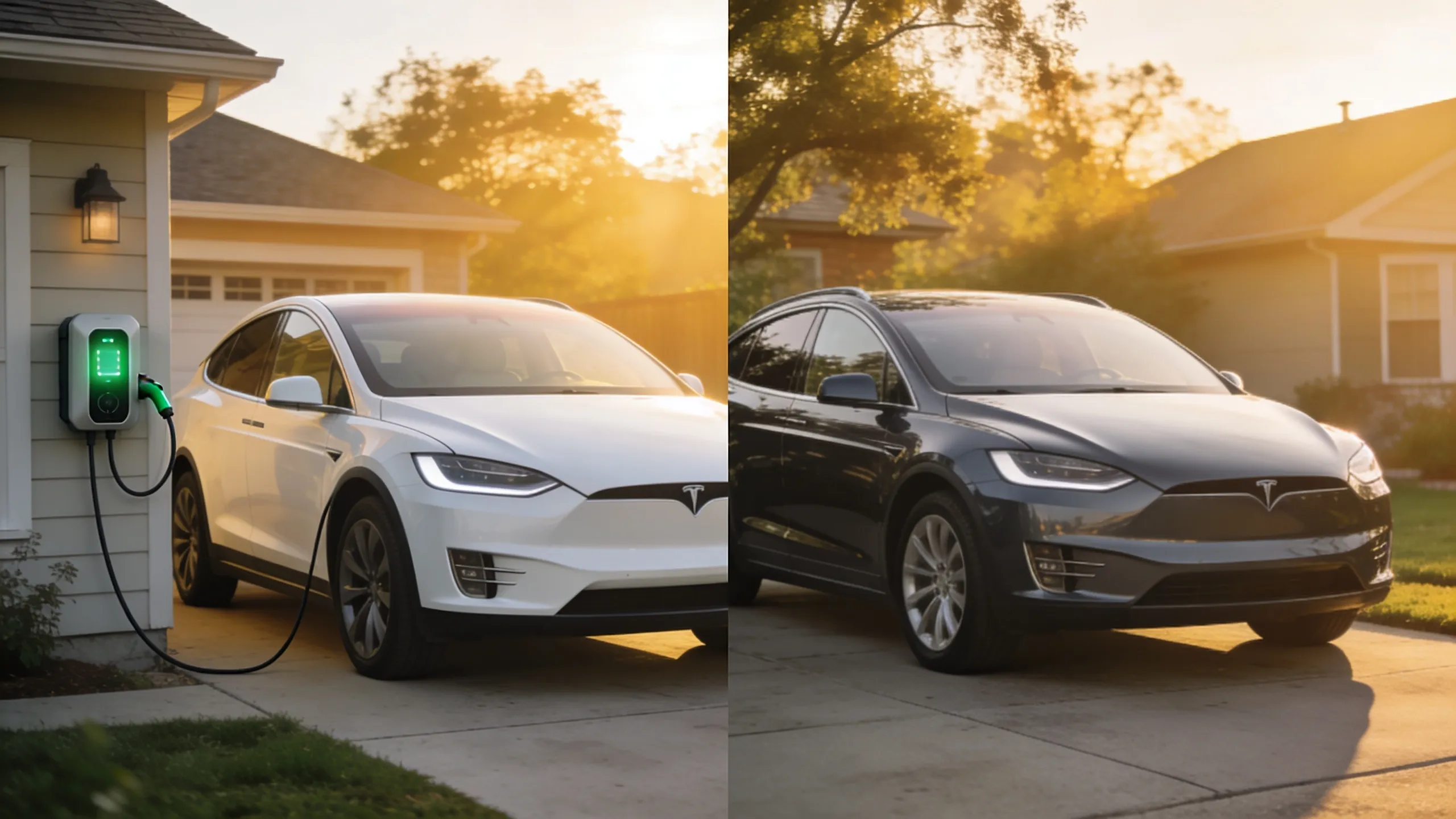
When Marcus bought his first electric SUV in 2024, his neighbor told him he would still be paying the same repair bills as any other car. Two years later, Marcus has spent roughly half what his previous gas-powered SUV cost to maintain. His experience is not unusual, but the full picture of electric SUV maintenance vs gas SUV ownership costs is more layered than most buyers expect.
This guide breaks down every major maintenance category, compares five-year cost projections, and separates common myths from the actual data. Whether someone is deciding between an electric and gas SUV or already owns one, this comparison provides the numbers needed to plan and budget with confidence.
For car owners dealing with collision repairs on any vehicle type, finding the right auto body shop can make a significant difference in repair quality and cost.
The core difference: how these powertrains affect maintenance
The maintenance gap between electric and gas SUVs comes down to mechanical complexity. A conventional internal combustion engine (ICE) has hundreds of moving parts, pistons, valves, a crankshaft, a transmission with multiple gear sets, and a cooling system with multiple fluid circuits. Each of those parts can wear, leak, or fail.
An electric SUV drivetrain, by contrast, uses a motor with far fewer moving parts, a single-speed reduction gear, and a large battery pack. That simplified mechanical architecture means fewer scheduled service intervals, fewer fluids to change, and fewer components that wear out in normal driving.
The U. S. Department of Energy estimates that electric vehicle powertrain maintenance costs roughly 40% less than comparable gasoline vehicles over the life of the vehicle. For an SUV, which typically carries higher maintenance costs than a sedan, that gap can represent thousands of dollars over five years.
Side-by-side comparison: EV vs gas SUV maintenance categories
The table below compares key maintenance items for a typical midsize electric SUV against a comparable gas-powered SUV. Cost ranges reflect 2026 national averages.
| Maintenance item | Gas SUV (per year) | Electric SUV (per year) | Notes |
|---|---|---|---|
| Engine oil changes | $150–$300 | $0 | EVs have no engine oil |
| Transmission service | $80–$200 | $0–$50 | EVs use single-speed gear; some have gear fluid |
| Spark plugs | $100–$300 every 60–100k miles | $0 | No combustion engine |
| Air filter (engine) | $30–$75 | $0 | No engine air intake |
| Coolant flush | $100–$200 every 2–3 years | $50–$150 every 5+ years | EVs use coolant for battery thermal management |
| Brake pads/rotors | $300–$700 every 3–4 years | $200–$500 every 5–8 years | Regenerative braking extends brake life significantly |
| Tire rotation/replacement | $600–$1,200 per set | $700–$1,400 per set | EVs often wear tires faster due to weight and torque |
| Battery (12V auxiliary) | $150–$300 every 3–5 years | $150–$300 every 3–5 years | Both use a 12V auxiliary battery |
| High-voltage battery | N/A | $0 (under warranty); $8,000–$20,000 out-of-warranty | Most EV batteries warranted 8 years/100k miles |
| Cabin air filter | $30–$75 | $30–$75 | Same for both |
| Annual maintenance total | $800–$1,800 | $400–$900 | Estimate excludes major repairs |
What electric SUVs do not need: skipping common gas SUV services
One of the clearest benefits in the electric SUV maintenance cost picture is the list of services that simply do not apply.
No engine oil changes. Oil changes are typically the most frequent maintenance item for gas vehicles, every 5,000 to 7,500 miles for conventional oil, or up to 10,000 miles for full synthetic. At $75 to $150 per change, this adds up to $300 to $600 per year for most SUV owners. Electric SUVs have no engine oil to change.
No spark plugs or ignition components. Gas engines ignite fuel using spark plugs, which wear over time and require replacement every 60,000 to 100,000 miles. Electric motors produce torque through electromagnetic force, no combustion, no ignition system.
No exhaust system service. Catalytic converters, mufflers, and exhaust pipes are absent in a fully electric vehicle. There is no combustion byproduct to manage.
No transmission fluid service (in most models). The majority of electric SUVs use a single-speed reduction gearbox that requires little to no fluid maintenance. A few models have a small reduction gear lubricant that gets checked occasionally, but it is not the major service item a multi-speed automatic transmission represents.
No fuel system service. Fuel injectors, fuel filters, and fuel pumps are gas-only components. Electric SUVs draw energy directly from the battery pack.
Eliminating these service items is a primary reason the electric car vs gas car maintenance cost comparison favors EVs in routine upkeep.
What electric SUVs DO need: the maintenance items that remain
The lower maintenance costs for electric SUVs are real, but they are not zero. Several maintenance items remain, and a few are unique to EVs.
Tire maintenance and replacement
Tire care is one area where electric SUV owners sometimes pay more than expected. Electric SUVs tend to be heavier than equivalent gas models because of the battery pack, and they deliver strong instant torque from a standstill. Both factors accelerate tire wear.
Some EV owners report needing new tires 20 to 30% sooner than they would on a comparable gas vehicle. Tire rotation every 5,000 to 7,500 miles is essential. Tires on electric SUVs also need to be rated for higher load capacity in some cases, which can increase replacement costs.
A full set of tires for a midsize electric SUV typically runs $700 to $1,400 installed, depending on the brand, size, and location. That is roughly comparable to or slightly higher than a gas SUV.
Brake system care
Electric SUVs use regenerative braking, a system that converts the vehicle's kinetic energy back into electricity when the driver lifts off the accelerator or applies light brake pressure. This reduces how often the physical brake pads contact the rotors, extending brake pad and rotor life significantly.
Gas SUV owners typically replace brake pads every 30,000 to 50,000 miles. EV owners commonly go 70,000 to 100,000 miles or more before needing brake work. However, because EV brakes are used less frequently, the rotors can develop surface rust faster on vehicles that sit unused. Regular use and occasional hard braking cycles help keep rotors clean.
When brake service is needed, costs are similar to gas vehicles: $200 to $500 per axle at most shops.
Battery thermal management system
Electric SUVs use a dedicated cooling system, separate from any cabin climate control, to keep the high-voltage battery pack within its optimal temperature range. This system uses a liquid coolant that requires periodic inspection and eventual replacement, typically every five to eight years depending on the manufacturer's specification.
Neglecting the battery thermal management system can shorten battery life. Owners should follow the manufacturer's recommended service intervals found in the owner's manual.
12-volt auxiliary battery
Even though EVs run on a high-voltage main battery, they still use a conventional 12-volt auxiliary battery to power electronics, lights, and low-voltage systems. This battery typically needs replacement every three to five years, the same as a gas vehicle's 12-volt battery. Replacement costs range from $150 to $300.
Cabin air filter
Both gas and electric SUVs use cabin air filters to keep the interior air clean. These filters typically need replacement once per year or every 15,000 to 25,000 miles, at a cost of $30 to $75 for parts and labor.
Software updates and systems checks
Many modern electric SUVs receive over-the-air software updates that require no shop visit. However, dealers or certified service centers occasionally need to perform systems diagnostics, firmware updates to charging components, or inspection of high-voltage connectors. These service intervals vary by manufacturer.
Five-year cost comparison: EV vs gas SUV ownership cost
To put the numbers in perspective, the following estimate compares maintenance costs over five years for a typical midsize gas SUV versus a comparable electric SUV. Fuel and insurance costs are excluded since both vary significantly by driver and region.
Gas SUV, five-year maintenance estimate:
- Oil changes (every 6 months): $750–$1,500
- Transmission service (at 60,000 miles): $200–$400
- Spark plugs (at 80,000 miles): $200–$350
- Coolant flush (twice): $200–$400
- Brake pads/rotors (once per axle set): $600–$1,400
- Tires (one set): $800–$1,600
- Filters, belts, misc: $400–$800
- Total estimate: $3,150–$6,450
Electric SUV, five-year maintenance estimate:
- Battery coolant service: $0–$200
- Brake service (lighter due to regenerative braking): $200–$600
- Tires (one set, possibly earlier): $700–$1,400
- 12V battery replacement: $150–$300
- Cabin filters, misc: $150–$375
- Total estimate: $1,200–$2,875
The EV vs gas SUV ownership cost gap over five years ranges from roughly $2,000 to $3,500 in favor of the electric vehicle in routine maintenance alone. This estimate excludes the high-voltage battery, which carries an eight-year/100,000-mile warranty on most models sold in the United States.
Collision repair differences: what happens after an accident
Sarah's story illustrates a reality that many EV owners discover after their first fender bender. When a delivery van clipped the rear corner of her electric SUV, what looked like a minor parking lot collision turned into a three-week repair and a bill 35% higher than she expected. The repair involved not just the body panel but also sensors, a high-voltage cable conduit, and a specialized inspection of the battery enclosure.
Collision repair is one area where electric SUV repair costs often exceed those of equivalent gas vehicles. Several factors drive higher collision repair costs for EVs.
High-voltage battery proximity
Electric SUV battery packs are typically mounted low in the vehicle floor, maximizing interior space but also placing the battery near the vehicle's perimeter. Even moderate side or underbody impacts may require professional inspection of the battery pack, mounting structure, and electrical connections. This inspection alone can add $500 to $1,500 to a repair estimate.
Specialized technician requirements
Collision repairs on electric vehicles require technicians trained in high-voltage safety procedures. Not every auto body shop has certified EV technicians. Shops without proper training cannot legally or safely perform structural repairs on an EV without isolating the high-voltage system. Finding an EV-certified collision repair center matters more for an electric SUV than for a conventional gas vehicle.
ADAS recalibration
Modern electric SUVs are loaded with Advanced Driver Assistance Systems (ADAS), cameras, radar sensors, and lidar units that enable features like automatic emergency braking and lane-keeping assist. After any collision repair that involves a bumper, windshield, or body panel adjacent to a sensor, these systems require recalibration. Recalibration typically adds $250 to $1,200 to a repair bill, depending on the number of systems involved.
Car owners comparing auto body shops should ask specifically about EV certification and ADAS recalibration capabilities. For help locating qualified shops, browse auto body shops by state to find certified options near you.
Aluminum body panels
Many electric SUVs use aluminum body panels to offset the weight of the battery pack. Aluminum repair requires different tools and training than steel repair. Not all shops have the equipment for proper aluminum repair. Improper aluminum repair can compromise both the structural integrity of the vehicle and the appearance of the finish.
Common myths about electric SUV maintenance
Myth 1: "EV batteries need to be replaced every few years."
Most electric SUV batteries are warranted for eight years or 100,000 miles, whichever comes first, under federal law. Real-world data from vehicles like the Nissan Leaf and Tesla Model X suggest that battery capacity degradation over 100,000 miles is typically 10 to 20%, not catastrophic failure. Replacement outside warranty costs $8,000 to $20,000, but the vast majority of EV owners do not encounter this expense within the vehicle's first decade.
Myth 2: "Electric SUVs are just as expensive to maintain as gas vehicles."
Industry data consistently shows lower routine maintenance costs for EVs. The Consumer Reports 2023 auto reliability survey found that EV owners spent an average of 40% less on maintenance than gas vehicle owners. This gap is real, though it narrows when accounting for higher collision repair costs and tire wear.
Myth 3: "Any mechanic can work on an electric SUV."
High-voltage systems in electric vehicles require specialized training. Technicians working on EV electrical systems must follow strict safety protocols to avoid serious injury. Collision repairs in particular should only be performed by shops with certified EV technicians.
Myth 4: "Regenerative braking completely eliminates brake wear."
Regenerative braking dramatically reduces brake wear, but does not eliminate it. Physical brake pads are still needed for emergency stops and hard braking. Additionally, rotor surface rust can develop faster on EVs because the brakes are used less frequently. Regular use and occasional hard braking help maintain the brake system.
Myth 5: "Electric SUVs don't need any fluids."
Electric SUVs use coolant for battery thermal management, windshield washer fluid, brake fluid, and in some models a small amount of gear lubricant. The fluid list is shorter than a gas vehicle, but not zero.
Key takeaways
- Electric SUV maintenance costs 40 to 50% less than a comparable gas SUV over five years in routine upkeep, based on industry estimates.
- EVs skip major gas-only services: no oil changes, no spark plugs, no exhaust system, no transmission fluid in most models.
- EVs still need: tire rotations and replacement (possibly more frequent), brake service (less frequent due to regenerative braking), battery coolant service, cabin air filters, and 12-volt battery replacement.
- Collision repair costs more for electric SUVs: battery proximity, high-voltage safety requirements, ADAS recalibration, and aluminum panels all drive up repair bills.
- The high-voltage battery is the biggest wildcard, but eight-year/100,000-mile federal warranty coverage protects most owners through the vehicle's primary ownership period.
- Tire wear is higher on electric SUVs due to vehicle weight and torque; budget accordingly.
- Not all shops are qualified to perform structural repairs on EVs; always verify EV certification before authorizing collision work.
Frequently asked questions
How much does it cost to maintain an electric SUV per year?
Annual maintenance costs for a typical electric SUV range from $400 to $900, compared to $800 to $1,800 for a comparable gas-powered SUV. The savings come primarily from eliminating oil changes, spark plugs, transmission service, and exhaust system maintenance. Costs vary based on vehicle model, local labor rates, and driving habits.
Do electric SUVs need oil changes?
No. Electric SUVs have no internal combustion engine and therefore require no engine oil. This is one of the most significant routine maintenance savings for EV owners. Some electric SUVs use a small amount of gear lubricant in their reduction gearbox, but this is checked infrequently and is not comparable to regular oil change intervals.
How long do EV brakes last compared to gas SUV brakes?
Electric SUV brake pads typically last 70,000 to 100,000 miles or more, compared to 30,000 to 50,000 miles for a gas SUV. Regenerative braking reduces reliance on physical brake pads for normal deceleration. However, brake rotors may develop surface rust faster on EVs due to infrequent use, and full brake service is still required eventually.
Are electric SUV repairs more expensive after an accident?
Generally, yes. Electric SUV collision repairs tend to cost 20 to 40% more than equivalent gas vehicle repairs due to several factors: battery proximity requiring professional inspection, specialized high-voltage technician requirements, ADAS recalibration after sensor-adjacent repairs, and aluminum body panel construction in many models. Owners should verify that their chosen auto body shop has EV certification before proceeding with collision repairs.
How long does an electric SUV battery last?
Most EV batteries sold in the United States are warranted for eight years or 100,000 miles by federal regulation. Real-world data suggests that battery capacity typically declines 10 to 20% over 100,000 miles of use, gradual degradation rather than sudden failure. Factors that affect battery longevity include charging habits (frequent DC fast charging accelerates degradation), climate, and battery thermal management system maintenance.
Does an electric SUV need transmission service?
Most electric SUVs use a single-speed reduction gearbox that requires little to no fluid maintenance. A few models include a small gear lubricant that is inspected periodically, but this is not a regular service item and does not compare in cost or frequency to multi-speed automatic transmission service on a gas vehicle. Always consult the specific vehicle's owner's manual for accurate service intervals.
Finding a qualified shop for EV collision repairs
Understanding the electric vehicle maintenance schedule and cost picture is important, but knowing where to turn when something goes wrong matters just as much. Collision repairs on electric SUVs require shops with specific training, equipment, and certifications.
When selecting a shop for structural repair on an electric vehicle, ask directly whether technicians hold EV-specific certifications, whether the shop has high-voltage safety equipment, and whether ADAS recalibration is performed on-site or subcontracted. Shops that cannot answer these questions clearly may not be equipped to handle an electric SUV repair correctly.
For car owners comparing shops by location, AutoBodyShopNear. com provides a directory of auto body shops where owners can research options in their area and identify shops with the certifications their vehicle requires.
Maintenance cost data based on 2026 industry averages from the U. S. Department of Energy Alternative Fuels Data Center, Consumer Reports vehicle reliability data, and published manufacturer service intervals. Individual costs vary by vehicle make and model, geographic market, and driving conditions. Always consult the vehicle owner's manual and a qualified service center for model-specific maintenance requirements.
Sources: U. S. Department of Energy, EV vs. ICE vehicle cost comparison | Consumer Reports, Annual auto reliability survey | NHTSA, EV battery warranty requirements