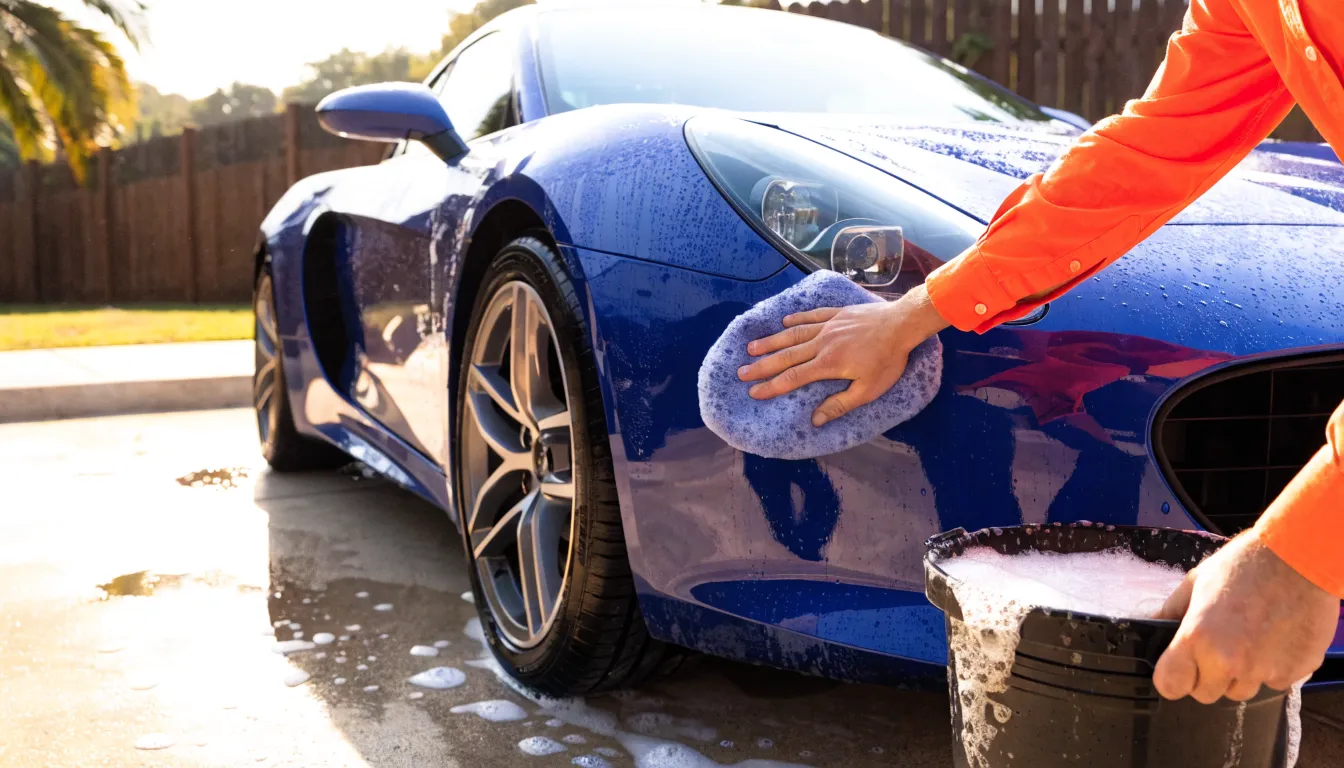
Why new paint needs special care after body repair
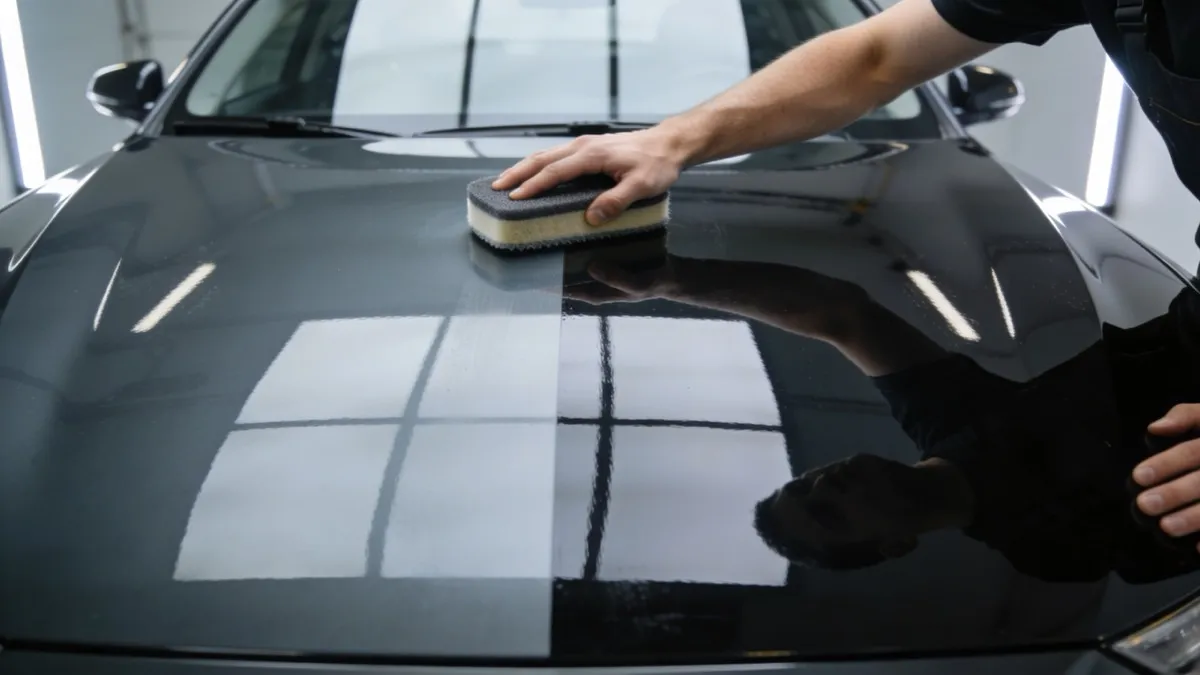
When body shops refinish panels, they apply primer, base coat, and clear coat layers that must chemically cure. While paint appears dry within hours, full curing takes 30 to 90 days at the molecular level. During this window, the paint remains softer than factory finishes and susceptible to damage from abrasion, high-pressure water, and harsh detergents.
What "cured" paint actually means
Cured paint achieves maximum hardness through complete chemical cross-linking. Uncured paint scratches easily and absorbs contaminants despite feeling dry to the touch. Curing timelines vary based on paint type (waterborne versus solvent-borne), temperature, humidity, and layer thickness. Body shops should provide specific post-repair care instructions.
When to wash your car after a paint job
The 30-day rule for the first full wash
Industry standards recommend waiting at least 30 days before washing newly painted panels with soap and water. Cold climates may require up to 60 days.
During the initial 30 days, light plain water rinsing is acceptable for removing heavy dirt, but soap and scrubbing should wait. Bird droppings and tree sap are exceptions. Their acids and enzymes etch soft paint within hours, so immediate plain water rinsing prevents permanent damage.
The first 30 to 90 days: the transition period
Between 30 and 90 days, hand washing becomes appropriate using pH-neutral car wash soap. Avoid high-pressure rinsing directly on repaired panels and skip carnauba waxes until full curing completes.
After 90 days: approaching normal care
Most automotive paints sufficiently cure by 90 days for normal washing and light detailing. The repair shop remains the best resource for product and timing guidance specific to their materials.
Hand wash vs. machine wash after body repair
Hand washing is the only safe option during the curing period and remains superior long-term for maintaining quality finishes.
Why automated car washes damage new paint
Automated car washes pose multiple risks:
- Brush friction: Rotating brushes accumulate grit from previous vehicles, creating micro-scratches on soft paint
- High-pressure spray: Touchless systems use strong detergents and forceful jets that lift fresh clear coat at edges
- Chemical stripping: Commercial detergents strip uncured paint and protective shop-applied coatings
- Blower damage: Hot, high-pressure drying stresses paint before hardening
Paint manufacturers recommend avoiding automated car washes for minimum 90 days post-repair.
How to hand wash a freshly repaired car safely
Required supplies:
- Two clean buckets (one for pH-neutral soap, one for rinse water)
- Soft microfiber wash mitts
- Microfiber drying towels
Proper technique:
1. Rinse with low-pressure water to remove loose dirt
2. Work roof-downward, one panel at a time
3. Dip mitt in soapy water, wash section, rinse mitt in clean water before reloading soap
4. Rinse each section immediately; don't allow soap to dry
5. Dry with gentle patting or straight strokes using microfiber towel
The two-bucket method prevents dirt from returning to panels, reducing swirl mark formation on fresh finishes.
Products to avoid after body work
Products that can damage fresh paint
- Dish soap and household cleaners: Alkaline formulas strip protective coatings
- Carnauba wax (first 30-90 days): Traps solvents, causes adhesion failures, clouds clear coat
- Clay bar treatments: Leave marring or drag marks on uncured surfaces
- Solvent-based cleaners: Products with petroleum distillates soften or lift fresh clear coat
- Abrasive polishes: Remove paint layers, reducing clear coat protective depth
Products safe for new paint
- Plain water rinse (first 30 days)
- pH-neutral automotive car wash soap (after 30 days)
- Spray detailers labeled "safe for new paint"
- Ceramic spray coatings (after 90 days, with shop approval)
- Paint sealants marked "paint-curing safe" (after 60 days)
Washing car after body repair: a practical timeline
| Timeframe | Safe Activities | Avoid |
|---|---|---|
| Days 1-7 | Gentle plain water rinse if necessary | All soaps, waxes, scrubbing |
| Days 7-30 | Plain water rinse; blot bird droppings carefully | Car washes, soap, wax |
| Days 30-60 | Gentle hand wash with pH-neutral soap | Automated car washes, wax |
| Days 60-90 | Hand wash; some paint sealants acceptable | Carnauba wax, clay bar, polish |
| 90+ days | Normal hand washing; waxing with carnauba acceptable | High-friction car washes (caution) |
Body shop instructions take priority over general guidelines.
Detailing after collision repair: what is safe and when
Paint correction and polishing
Paint correction remains off-limits for 90 to 120 days minimum. If visible defects, contamination, or orange peel texture appear, contact the shop. Most reputable facilities warranty their work and address defects at no charge.
Waxing and paint protection schedule
- Traditional carnauba wax: Wait 60 to 90 days; provides shine lasting 4-8 weeks
- Synthetic paint sealants: Some labeled "safe for fresh paint" acceptable after 30-60 days
- Ceramic coatings: Require fully cured paint (typically 90+ days); professional application recommended; typically last 2-5 years
Interior cleaning after repair
Body work leaves sanding dust, masking tape adhesive, and solvent odors inside vehicles.
Post-repair interior care:
- Vacuum thoroughly, including door jambs and under seats
- Wipe hard surfaces with damp microfiber cloth
- Clean windows from inside (overspray sometimes appears on glass)
- Air out vehicle with windows open for lingering odors
Isopropyl alcohol (70% concentration) on microfiber cloth removes masking tape adhesive without damaging most interior surfaces.
How to care for new car paint long-term
Park in covered or shaded areas
UV radiation degrades paint faster than most environmental factors. Garage, carport, or shaded parking substantially extends paint life, particularly in high-UV regions.
Address paint chips and scratches promptly
Small chips expose primer or bare metal to moisture, creating rust entry points that spread beneath the paint film. Early touch-ups with color-matched paint pens prevent small issues from becoming larger repairs. Professional scratch repair typically outperforms DIY kits.
Establish a consistent wash and protection schedule
Regular washing prevents contamination buildup:
- Wash: Every two weeks under normal conditions; weekly near salt, pollen, or industrial pollution
- Wax or sealant: Every 2-3 months for carnauba; every 6-12 months for synthetic sealants
- Full detail: Once or twice yearly, including paint decontamination
What to ask the body shop before leaving
Before departing the lot, get clear answers:
- What paint type was used: waterborne or solvent-borne?
- Recommended wait before first hand wash?
- Specific products to use or avoid on repaired panels?
- Was paint protection film or ceramic coating applied?
- What does the paint warranty cover?
Get answers in writing or note them before leaving to prevent confusion during the care period.
Key takeaways
- Wait 30 days before first soap-and-water hand wash
- Avoid automated car washes for at least 90 days
- Use pH-neutral soap and soft microfiber tools
- Skip carnauba wax for 60-90 days; synthetic sealants labeled "safe for new paint" may be acceptable sooner
- Never use dish soap, abrasive polishes, or solvent-based cleaners on new paint
- Remove bird droppings and tree sap immediately: they etch uncured paint rapidly
- Ask the body shop for specific product and timing recommendations
Sources
- I-CAR (Inter-Industry Conference on Auto Collision Repair) — collision repair industry training standards
- NHTSA Vehicle Safety — federal vehicle safety and crashworthiness standards
Frequently asked questions
How long should car owners wait before washing after body repair?
Standard recommendation: wait at least 30 days for first hand wash with soap and water, and 90 days before automated car washes. During the first 30 days, gentle plain water rinsing removes bird droppings or heavy dirt.
Can new paint be damaged by rain?
Light rain generally doesn't damage new paint. The primary risk involves rain drying on surfaces and leaving water spots. Rinsing with clean water and gentle microfiber towel drying removes mineral deposits before they bond to soft paint.
Is it safe to use a touchless car wash after body repair?
No, not within the first 90 days. Touchless car washes use high-pressure jets and strong alkaline detergents that lift fresh clear coat at panel edges and degrade uncured paint. Paint manufacturers recommend avoiding all automated car washes for minimum 90 days post-repair.
When can wax be applied to repaired panels?
Traditional carnauba wax requires 60-90 days wait. Some synthetic paint sealants labeled "safe for new paint" are acceptable after 30-60 days. Ceramic coatings need fully cured paint, typically 90+ days. Always verify timelines with the repair shop.
What cleaning products should be avoided on new paint?
Avoid dish soap, household cleaners, solvent-based tar removers, carnauba wax during curing, abrasive polishes, cutting compounds, and clay bar treatments. Each can scratch, etch, or chemically interfere with unhardened paint.
Does the interior need special cleaning after body repair?
Yes. Sanding dust spreads into vehicle interiors during body work, and masking tape adhesive often remains on trim and glass. Thorough vacuuming, damp microfiber wiping of hard surfaces, and interior window cleaning are all recommended after pickup.