Allstate covers windshield repair and replacement under your comprehensive coverage, and in most cases the insurer waives your deductible entirely for repairs. For full windshield replacement, you typically pay your comprehensive deductible unless you live in one of eight states with zero-deductible glass laws or have added a full glass endorsement to your policy. Understanding exactly what Allstate covers — and what it does not — can save you hundreds of dollars and prevent a small chip from becoming a $400 replacement bill.
Key Takeaways
- Allstate waives your comprehensive deductible for windshield repairs (chips and small cracks) in most states, meaning you pay $0 out of pocket for a repair.
- For windshield replacement, you pay your standard comprehensive deductible ($250–$1,000 typically) unless state law or a full glass endorsement eliminates it.
- Three states mandate zero-deductible glass coverage automatically: Florida, Kentucky, and South Carolina. Five more states require Allstate to offer it as an add-on option.
- Allstate uses OEM-equivalent (OEE) glass for replacements, which meets the same specifications as factory glass but may carry a different manufacturer's logo.
- Filing a glass-only comprehensive claim generally does not increase your Allstate premium, though filing multiple claims within a short period can trigger a review.
How Allstate Windshield Coverage Works
Windshield and auto glass damage falls under the comprehensive portion of your Allstate auto insurance policy. Comprehensive coverage handles non-collision damage — rocks kicked up on the highway, hail, vandalism, falling tree branches, and anything else that cracks or shatters your glass while the car is not in a collision with another vehicle (Allstate, "Car Insurance for Windshield Damage," allstate.com, retrieved August 2026).
If your windshield damage happened during an at-fault crash (say you rear-ended another car and the impact cracked your windshield), the glass damage would be covered under your collision coverage instead, with that policy's deductible applying.
The critical distinction Allstate makes is between repair and replacement:
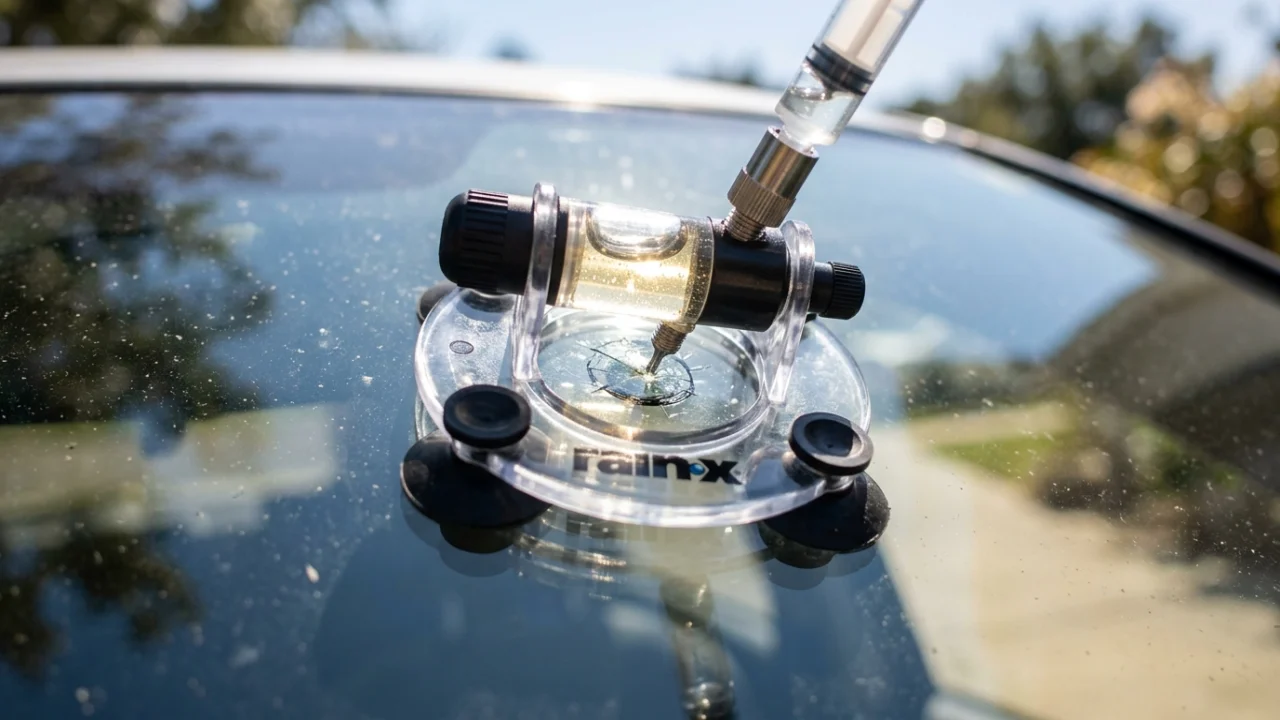
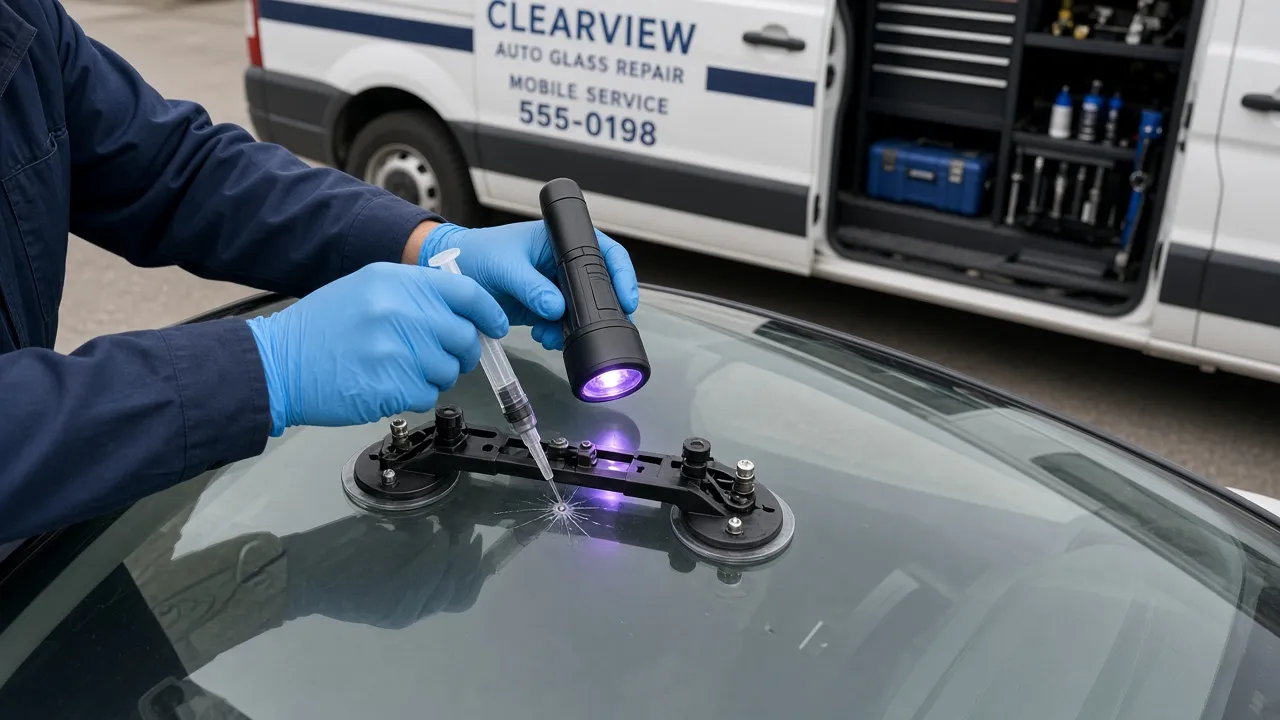
- Repair — Allstate waives the comprehensive deductible in most states. A technician injects resin into chips and short cracks, restoring structural integrity without removing the windshield. Cost to you: typically $0.
- Replacement — You pay your standard comprehensive deductible ($250, $500, or $1,000 depending on your policy), and Allstate covers the rest. A full windshield replacement runs $200–$600 for standard vehicles and $800–$1,500+ for vehicles with ADAS sensors that require calibration afterward.
This means catching damage early matters. A chip you could repair for free today becomes a crack that costs you your full deductible next week. If you notice a new chip, do not wait — schedule a repair before temperature changes or road vibrations spread the damage beyond the repairable threshold. For minor chips you want to address immediately, DIY windshield repair kits can buy you time until a professional appointment.
When Repair Is an Option vs. When You Need Replacement
Allstate and its partner glass shops follow industry-standard criteria to determine whether your windshield can be repaired or needs full replacement (Allstate, "Cracked Windshield: Repair or Replace," allstate.com, retrieved August 2026):
Repairable damage
- Three or fewer chips or cracks
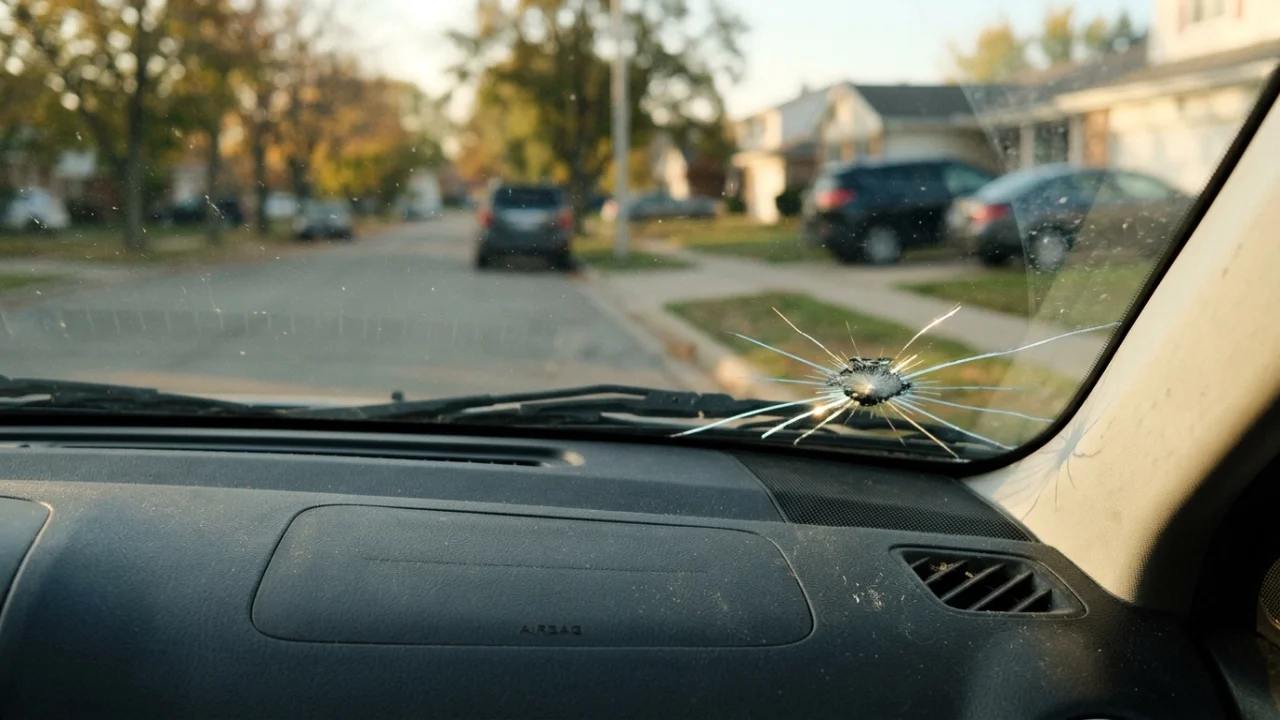
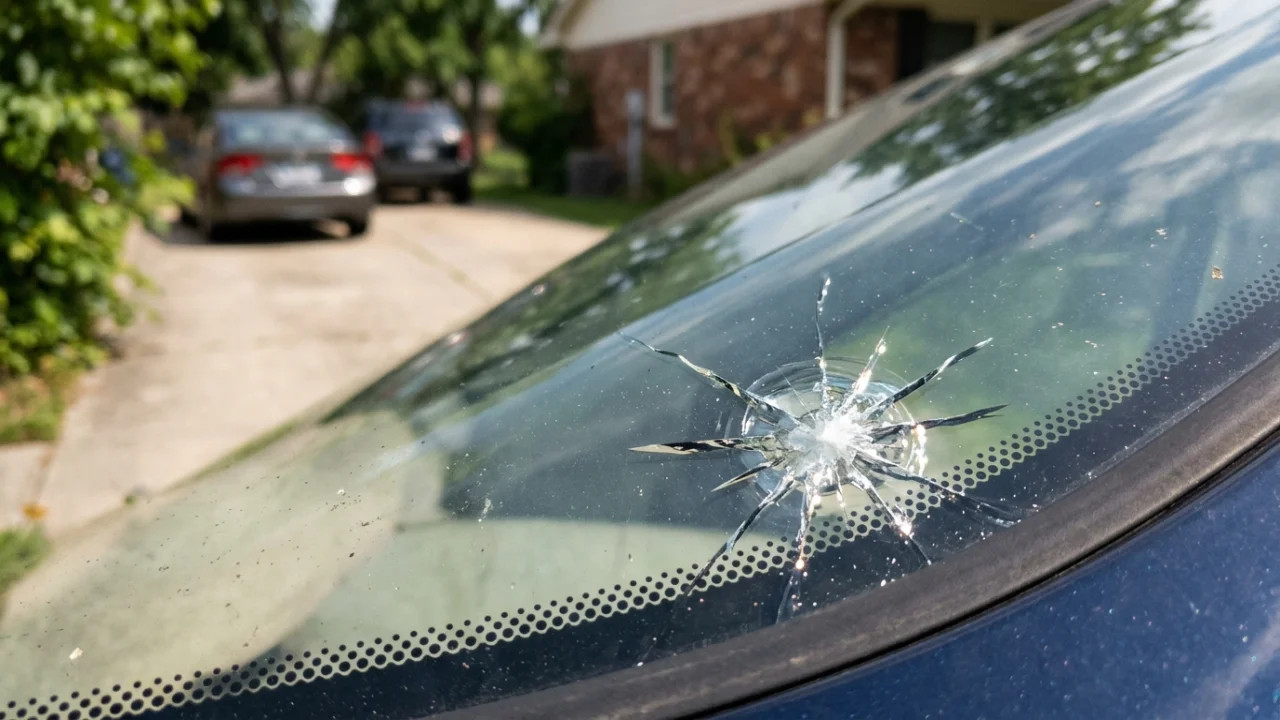
- Each chip is smaller than a quarter (roughly 1 inch in diameter)
- Each crack is shorter than 6 inches
- Damage is not in the driver's direct line of sight
- Damage does not extend to the edge of the windshield
Replacement required
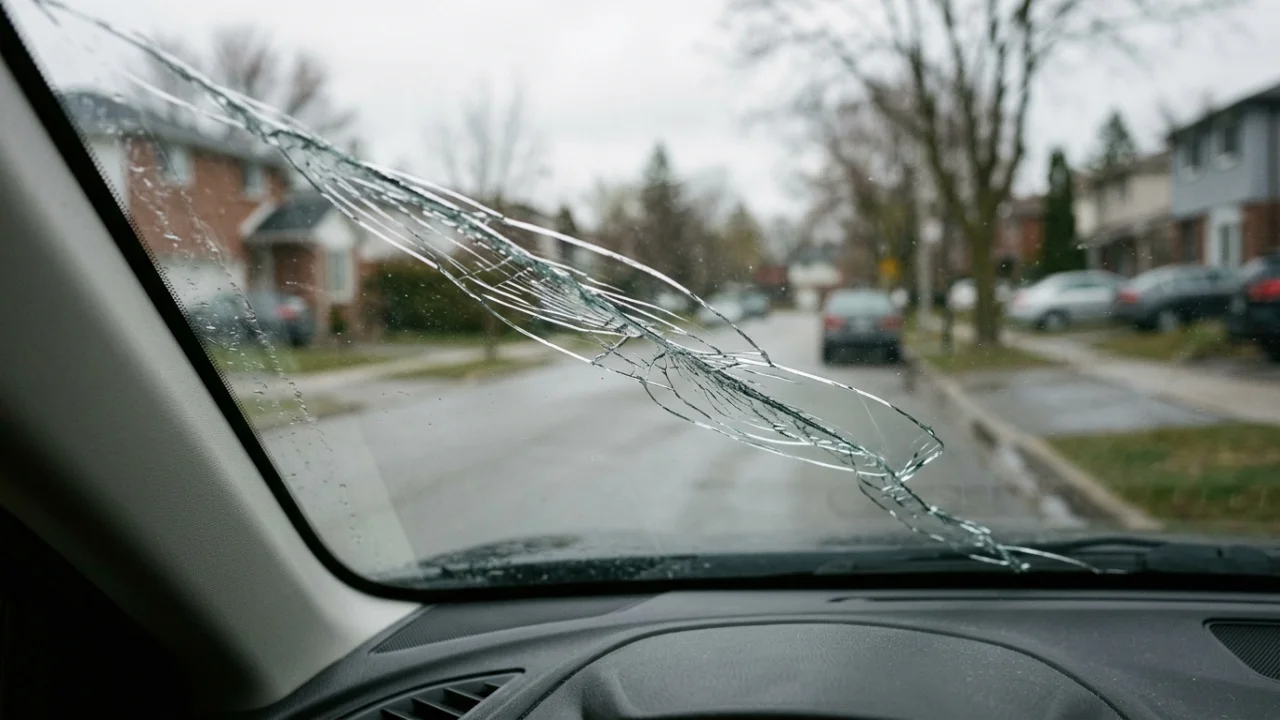
- Crack is longer than a dollar bill (approximately 6 inches)
- Crack extends more than halfway across the windshield
- Damage reaches the windshield edge (compromises structural seal)
- Multiple intersecting cracks
- Damage is in the driver's critical viewing area and distorts vision
- Previous repair attempts have failed
Your auto glass repair shop will assess the damage and make the determination. If they say it needs replacement, get the assessment in writing — this documentation supports your claim with Allstate and protects you if the insurer questions the necessity.
Zero-Deductible Glass States: Where You Pay Nothing
Eight states have laws that either mandate or require insurers like Allstate to offer zero-deductible glass coverage. The distinction between "mandated" and "offered" is critical — in mandated states, the coverage is automatic; in offer states, you have to specifically add it to your policy (glassBYTEs.com, "Not So Simple: The Real Rules Behind Zero-Deductible States," March 2026).
States where zero-deductible glass is automatic
- Florida — Insurers must waive the deductible for windshield repair and replacement on all comprehensive policies. No add-on needed.
- Kentucky — Zero-deductible glass is built into comprehensive coverage by law.
- South Carolina — Same as Kentucky; comprehensive policies automatically include zero-deductible glass.
States where Allstate must offer it as an option
- Arizona — Insurers must offer a $0 glass deductible endorsement. You must add it to your policy.
- Connecticut — Full glass coverage must be available as an add-on.
- Massachusetts — Insurers must offer a zero-deductible glass option.
- Minnesota — Full glass endorsement must be offered; typically adds $2–$5 per month.
- New York — Insurers must offer full glass coverage as an optional add-on.
If you live in one of the five "offer" states and have not specifically added the glass endorsement, your standard comprehensive deductible applies to windshield replacement. Pull up your Allstate policy declarations page and look for "full glass," "glass endorsement," or "zero-deductible glass." If it is not listed, call your agent — adding it typically costs $2–$5 per month and pays for itself the first time you need a replacement. Compare this with how Progressive handles $0 glass deductible states to see which carrier offers better glass terms in your state.
How to File a Glass Claim with Allstate
Allstate has streamlined its glass claims process through what it calls Auto Glass Claim Express. Here is the step-by-step process:
- Step 1: Report the damage. Log into the Allstate mobile app or visit allstate.com/claims. Select "Windshield/Glass" as the damage type. You can also call 1-800-ALLSTATE (1-800-255-7828).
- Step 2: Choose a glass shop. Allstate works with Safelite as its primary national glass partner, but you are not required to use Safelite. You can choose any licensed glass shop. If you use a non-network shop, Allstate will reimburse based on its standard rate schedule, and you pay any difference.
- Step 3: Schedule service. If you choose Safelite through the Allstate portal, you can schedule online. Mobile service (technician comes to your location) is available in most metro areas.
- Step 4: Get the work done. For repairs, expect 30–45 minutes. For replacement, expect 1–2 hours plus a 1-hour cure time before driving.
- Step 5: Pay your portion. For repairs, Allstate typically waives the deductible and you pay $0. For replacement, you pay your comprehensive deductible directly to the glass shop, and Allstate pays the rest.
One important note: file the claim before getting the work done. If you pay out of pocket first and try to submit for reimbursement afterward, the process is slower and Allstate may reimburse at its contracted rate rather than what you actually paid.
OEM vs. Aftermarket Glass: What Allstate Installs
Allstate's standard practice is to authorize OEM-equivalent (OEE) glass for replacements. OEE glass is manufactured to the same specifications, thickness, and safety standards as the original factory windshield, but it may carry a different manufacturer's logo (The Auto Glass Experts, "Allstate Auto Glass Replacement Insurance Claims," theautoglassexperts.com, retrieved August 2026).
For most vehicles, OEE glass is functionally identical to OEM. However, there are situations where OEM glass specifically matters:
- ADAS-equipped vehicles — Vehicles with forward-facing cameras, rain sensors, or heads-up displays mounted on or near the windshield may require OEM glass for proper sensor calibration. Aftermarket glass with slightly different optical properties can cause calibration failures.
- Luxury and specialty vehicles — Some high-end vehicles use acoustic-laminated windshields or special coatings that aftermarket suppliers may not replicate exactly.
- Lease or warranty requirements — Some leases and manufacturer warranties specify OEM replacement parts.
If you need OEM glass specifically, tell Allstate and your glass shop before the work begins. Allstate may cover it if you can document the necessity (ADAS requirements, manufacturer specifications), but in some cases you may need to pay the difference between OEE and OEM pricing — typically $50–$200 depending on the vehicle.
Will a Glass Claim Raise Your Allstate Premium?
This is the question that stops many drivers from filing a legitimate claim, and the answer is generally reassuring. A single glass-only comprehensive claim typically does not increase your Allstate premium. Comprehensive claims are treated differently from at-fault collision claims in Allstate's rating algorithm because they reflect random events (road debris, hail, vandalism), not driving behavior.
That said, there are nuances:
- Filing multiple comprehensive claims within a 12-month period (two or more glass claims plus other comprehensive claims) can trigger a surcharge or non-renewal review in some states.
- In a few states, insurers can factor comprehensive claims into renewal pricing regardless of frequency.
- Your claims history follows you across carriers through the CLUE (Comprehensive Loss Underwriting Exchange) database, so a glass claim will be visible to any insurer you switch to within 7 years.
For a single windshield repair or replacement, file the claim. The cost of replacing a windshield out of pocket ($200–$1,500+) almost always exceeds any theoretical premium impact, which in practice is usually zero for a single claim. See how other carriers handle glass claims in our State Farm windshield coverage and GEICO windshield coverage guides.
What Allstate Glass Coverage Does Not Cover
Understanding the exclusions prevents surprises at the glass shop:
- No comprehensive coverage on your policy — If you carry only liability insurance (common on older vehicles), glass damage is not covered at all. You must have comprehensive coverage.
- Cosmetic-only damage — Surface scratches, pitting from sand/gravel exposure, or haze that does not compromise structural integrity may not qualify for a claim.
- Pre-existing damage — Cracks or chips that existed before your policy start date are excluded.
- Sunroof and moonroof glass — Coverage varies by policy. Some Allstate policies include sunroof glass under comprehensive; others exclude it or treat it as a separate component.
- Aftermarket tint and coatings — If your windshield had aftermarket tint or ceramic coating, Allstate replaces the glass but typically does not cover reapplication of aftermarket additions.
- ADAS recalibration costs — Some Allstate policies cover recalibration as part of the glass claim; others treat it as a separate charge. Ask before authorizing the work.
Sources
- NHTSA Windshield Safety Standards — federal windshield safety requirements
- Auto Glass Safety Council — auto glass repair and replacement standards
- Insurance Information Institute — auto insurance claims statistics
- National Association of Insurance Commissioners — state insurance commissioner consumer resources
Frequently Asked Questions
Does Allstate cover windshield replacement?
Yes, Allstate covers windshield replacement under your comprehensive coverage. You pay your comprehensive deductible (typically $250–$1,000), and Allstate covers the remaining cost. In Florida, Kentucky, and South Carolina, the deductible is waived by state law. In Arizona, Connecticut, Massachusetts, Minnesota, and New York, you can add a zero-deductible glass endorsement to eliminate the deductible.
Does Allstate waive the deductible for windshield repair?
In most states, yes. Allstate waives the comprehensive deductible for windshield repairs, meaning you pay nothing out of pocket for chip and crack repairs. This applies to damage that qualifies for repair rather than full replacement — generally chips smaller than a quarter and cracks shorter than 6 inches.
Can I choose my own glass shop with Allstate?
Yes. While Allstate partners with Safelite as its primary national glass provider, you are not required to use Safelite. You can choose any licensed auto glass shop. If you use an out-of-network shop, Allstate reimburses based on its standard rate schedule, and you are responsible for any difference between that rate and what the shop charges.
Will filing a windshield claim with Allstate raise my rates?
A single glass-only comprehensive claim generally does not increase your Allstate premium. Comprehensive claims reflect random events rather than driving behavior and are rated differently from at-fault collision claims. However, filing multiple comprehensive claims within a short period can trigger a premium review in some states.
Does Allstate pay for ADAS recalibration after windshield replacement?
Coverage for ADAS recalibration varies by policy and state. Many newer Allstate policies include recalibration as part of the glass replacement claim, but some older policies or bare-minimum comprehensive plans may not. Before authorizing the replacement, ask Allstate directly whether recalibration is included. If it is not, expect to pay $150–$500 for recalibration depending on your vehicle and whether static or dynamic calibration is required.