A $150-300 pre-purchase inspection can save you thousands on a used car. Here's what the mechanic checks and which findings should kill the deal.
Why a Pre-Purchase Inspection Is Worth Every Dollar
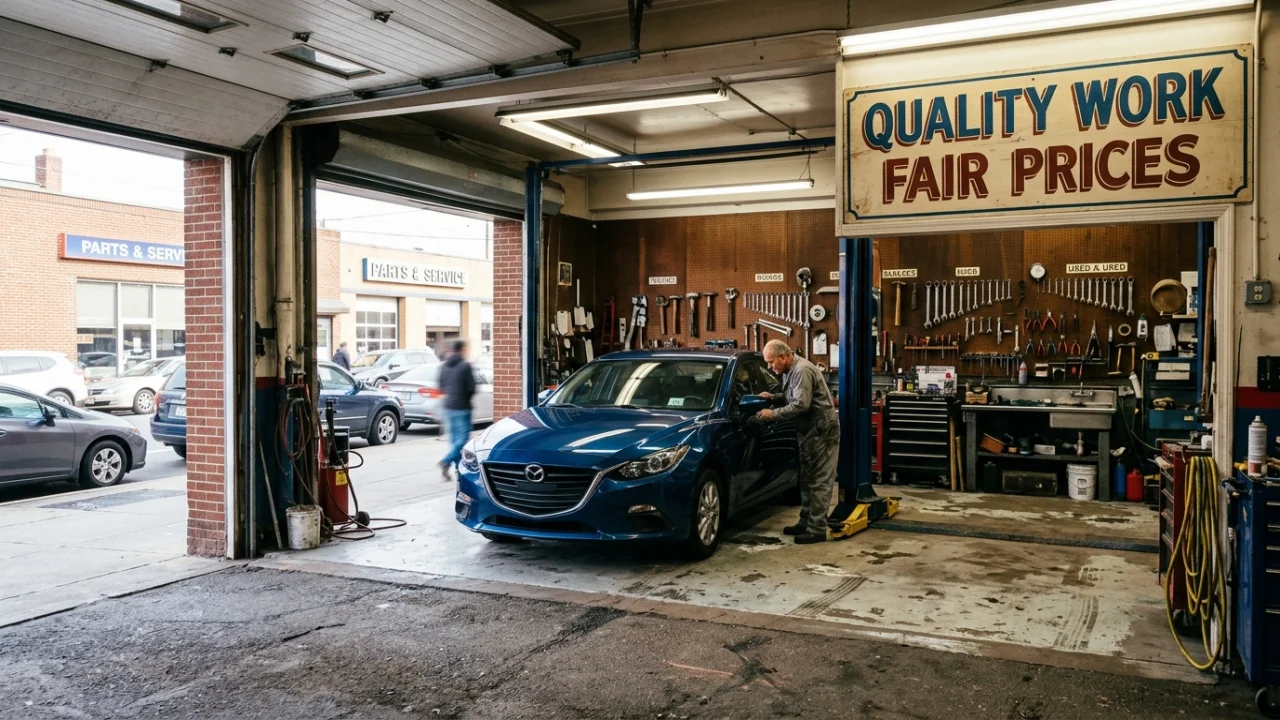
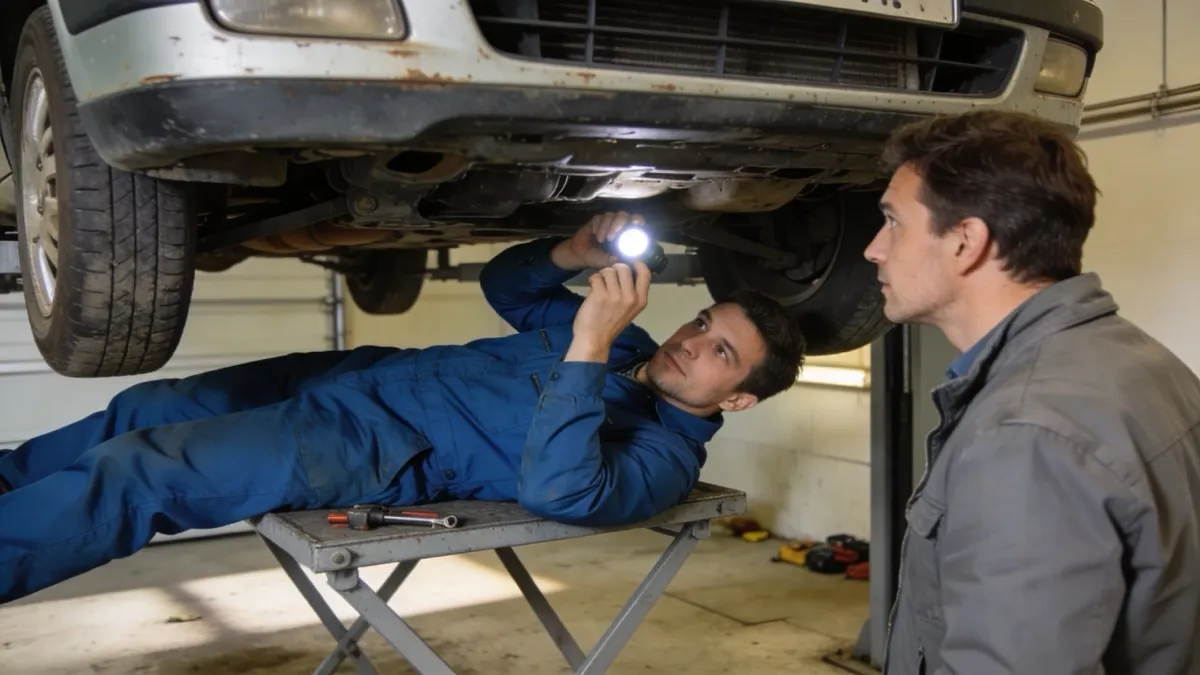
A pre-purchase inspection (PPI) is essentially a home inspection for a car. For $150–300, a qualified mechanic or body shop puts the vehicle on a lift, measures the frame, checks paint thickness, and looks at every major system. A hidden structural repair on a car you've already bought can run $3,000–8,000 to fix properly. Paying $200 up front to catch that is math that works every time.
A seller who refuses a pre-purchase inspection is telling you something. Legitimate sellers expect it and welcome it. If they say no — even with a compelling price — walk away.
How to Spot Previous Repairs on a Used Car
You don't need special training to catch many signs of previous body work. Here's what to look for before you even get to a shop:
- Panel gaps — Compare the gaps between panels on both sides of the car. Uneven spacing means a panel was replaced or poorly realigned after a repair.
- Color shifts — Step back and look at each panel from a low angle in natural light. Repainted panels often have a subtly different shade or metallic flake orientation than factory paint.
- Overspray — Open the doors and look at the jambs, the underside of the hood lip, and around rubber trim. Paint where it doesn't belong means someone was spraying nearby panels.
- Texture differences — Run your palm slowly along the side of the car. Repainted areas sometimes feel slightly rougher or smoother than the original surface.
- Disturbed bolts — Pop the hood and check the fender mounting bolts. Wrench marks or chipped paint around a bolt means that fender came off at some point.
- Seam sealer inconsistency — Factory seam sealer follows a consistent, clean pattern. Reapplied sealer looks messier and may have brush marks.
The Paint Thickness Gauge: Your Best Friend at a Used Car Lot
A paint thickness gauge is a small electronic device — you can buy one for $25–50 online — that measures paint depth in microns. Factory paint typically runs 100–150 microns. A panel that's been repainted reads 200+ microns because there's an extra coat on top. Body filler under the paint pushes readings even higher, often 300–500+ microns.
One pass around the car with this gauge tells you exactly which panels have been worked on, even when the repair is invisible to the eye. It's one of the most useful tools for any pre-purchase inspection of a used car — cheap, fast, and hard to fool.
Some body shops will do a quick paint thickness scan for free if you ask. If you shop for used cars regularly, owning one yourself pays off after your first catch.
Under-Hood Red Flags
- Wrinkled or bent frame rails — these should be arrow-straight from the factory
- Aftermarket welds that look rough compared to factory spot welds nearby
- A replaced or misaligned radiator support — the most commonly damaged front-end component after a collision
- One suspiciously shiny bolt among old, oxidized hardware — something was removed
- Fresh undercoating sprayed in unusual patterns — sometimes used to hide repaired sections
What the Test Drive Tells You
- Pulling to one side — may point to frame damage or an alignment that was never properly corrected after a repair
- Vibration at highway speeds — bent wheels, damaged suspension components, or drivetrain issues
- Uneven tire wear — check all four tires; cupping or edge wear suggests alignment problems that started somewhere
- Clunks or rattles over bumps — can signal loose structural components from a previous repair
- Off-center steering wheel — if the wheel is rotated even slightly while driving straight, something was bent and not properly reset
What Vehicle History Reports Actually Miss
Carfax and AutoCheck are useful starting points. They're just not the full picture. They only report accidents that were filed with their database, and plenty never make it in.
- Cash repairs don't appear — no insurance claim, no record
- Not all states report accident data to the same databases
- Small or independent shops often don't file reports
- Title washing — running a salvage-title car through a lenient state for a clean title — still happens
- Odometer readings only show up at specific touchpoints like state inspections or dealer trade-ins
A clean Carfax means no accident was reported to their database — not that no accident happened. A physical pre-purchase inspection is the only way to know what you're actually buying.
Getting a Professional Pre-Purchase Inspection
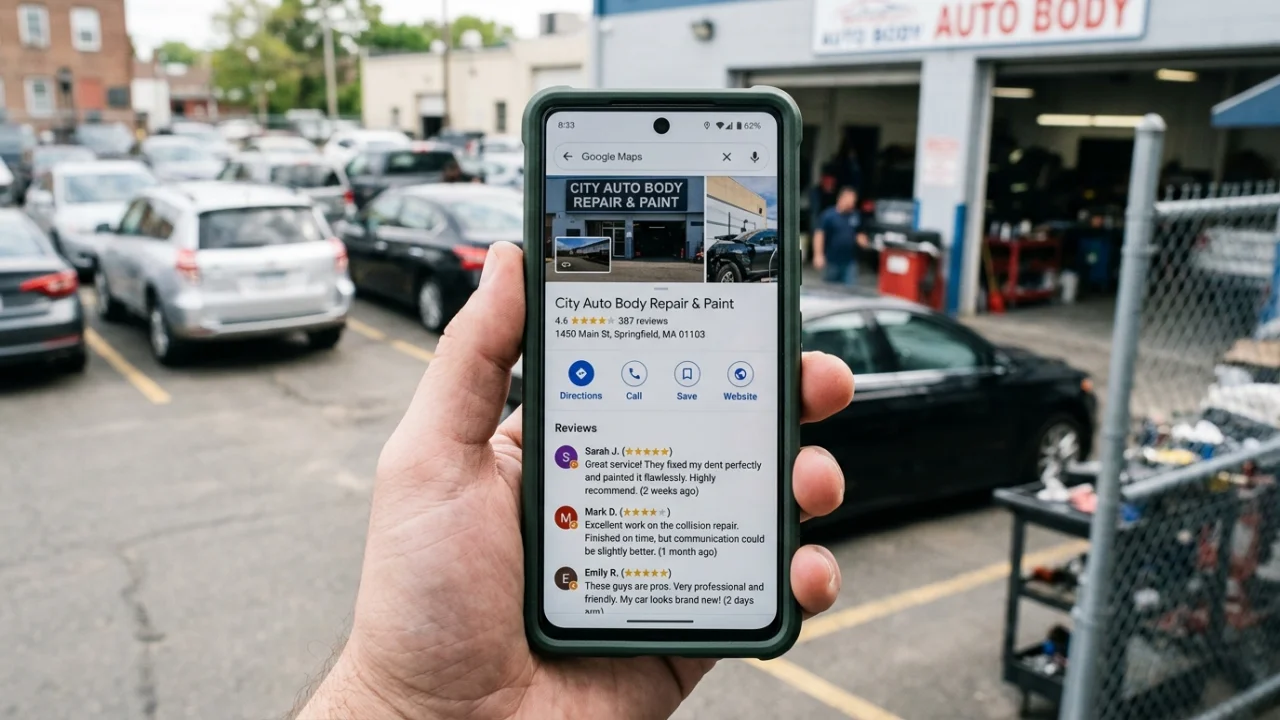
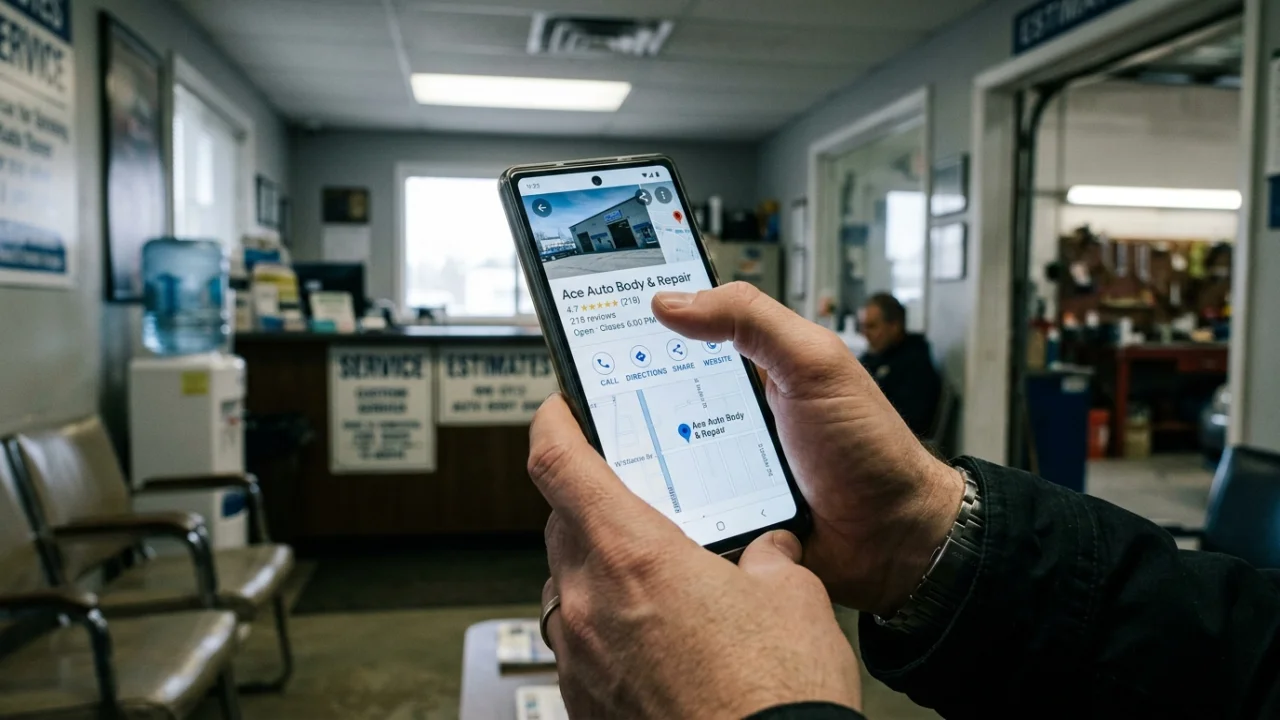
For the most thorough look, take the car to an independent mechanic or body shop — not the selling dealer's suggested shop. Ask them specifically to check for previous body work, measure the frame rails, take paint thickness readings across all panels, and look for signs of flood damage.
A good inspector gives you a written report. That document is useful two ways: it tells you exactly what you're buying, and it gives you real leverage to negotiate the price down if issues turn up. The $150–300 cost is almost always money well spent.
Every used car has a history. Your job isn't to find one with no history, it's to find one where the history is honest and the current condition matches what you're paying for.
Sources
- Federal Trade Commission — Auto Warranties — consumer rights regarding auto repair and warranties
- Insurance Information Institute — insurance guidance for consumers