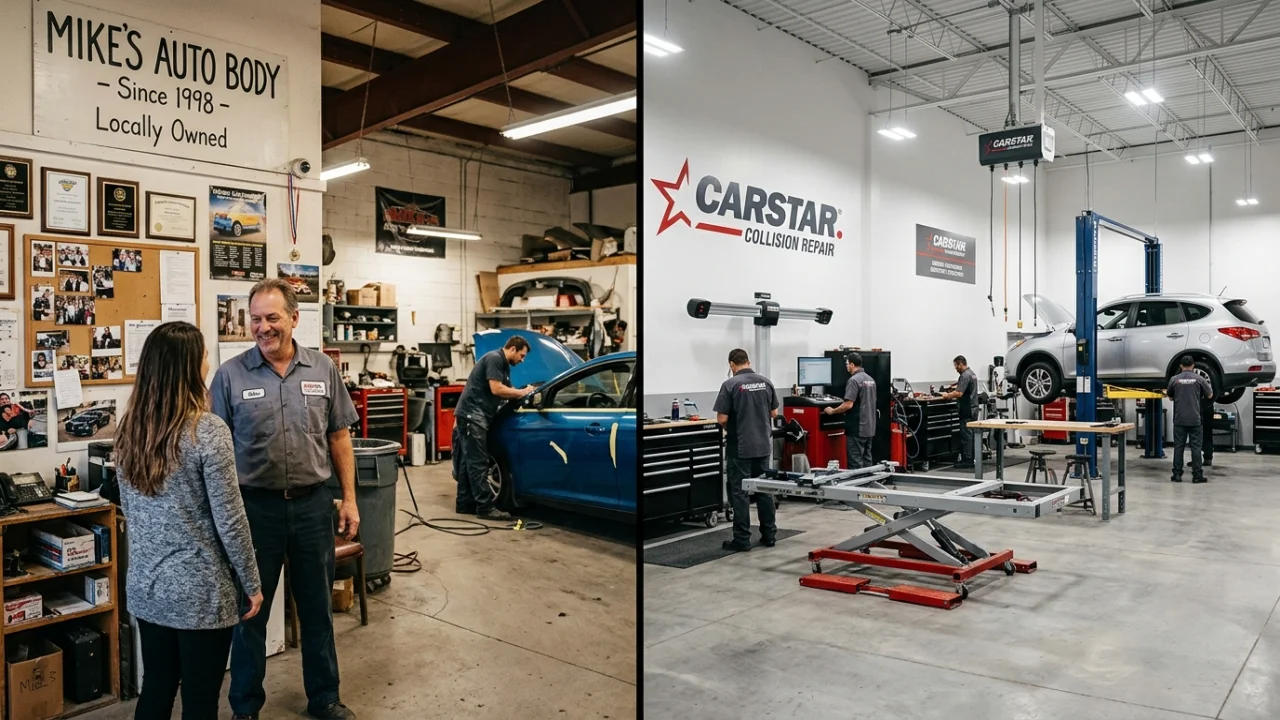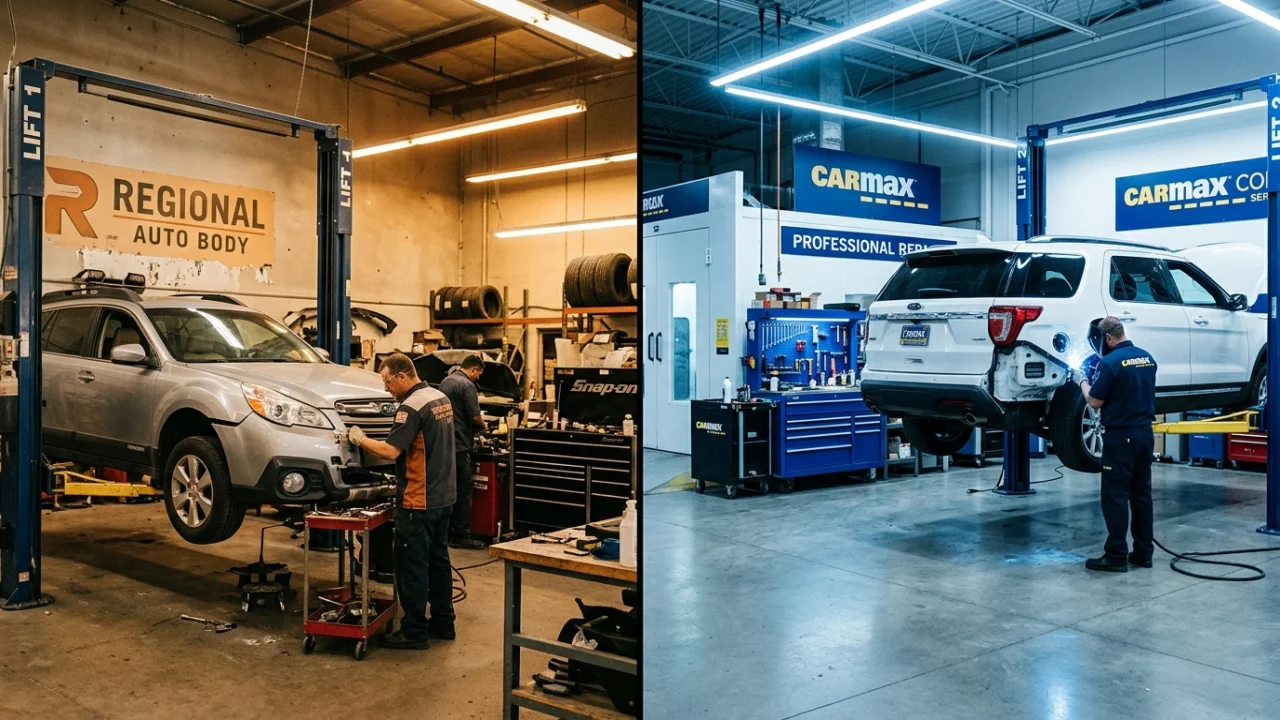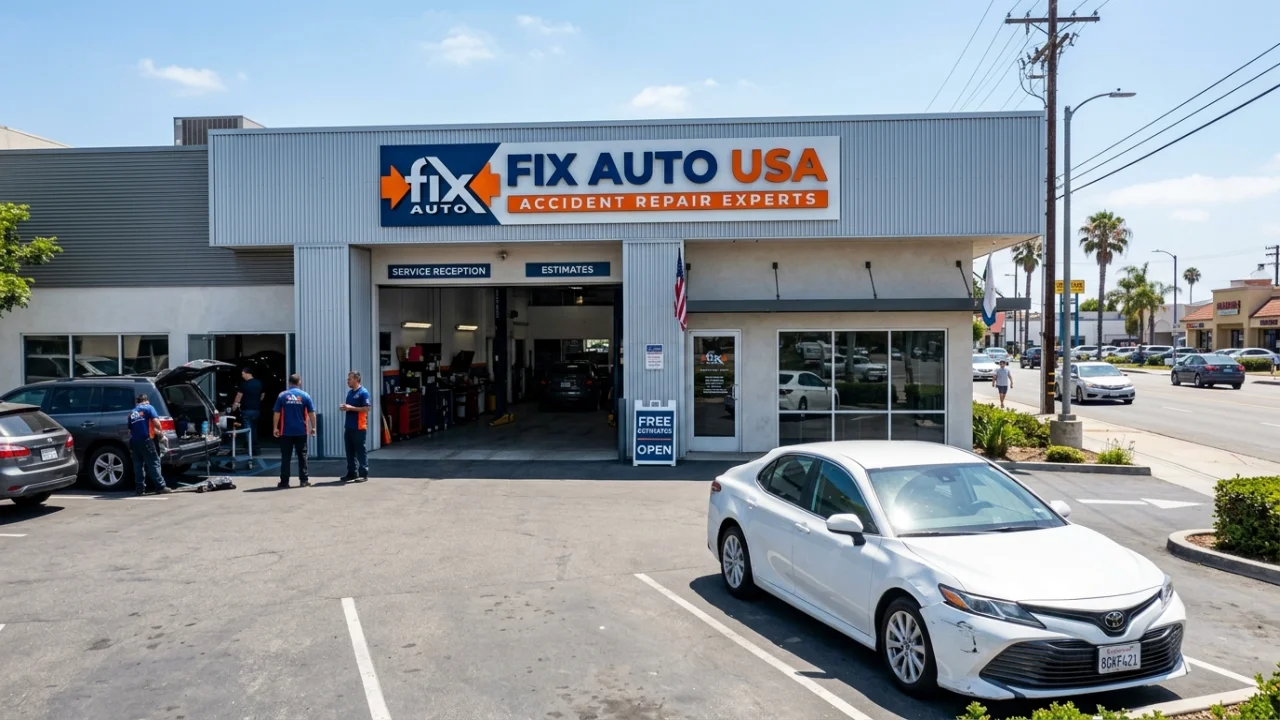
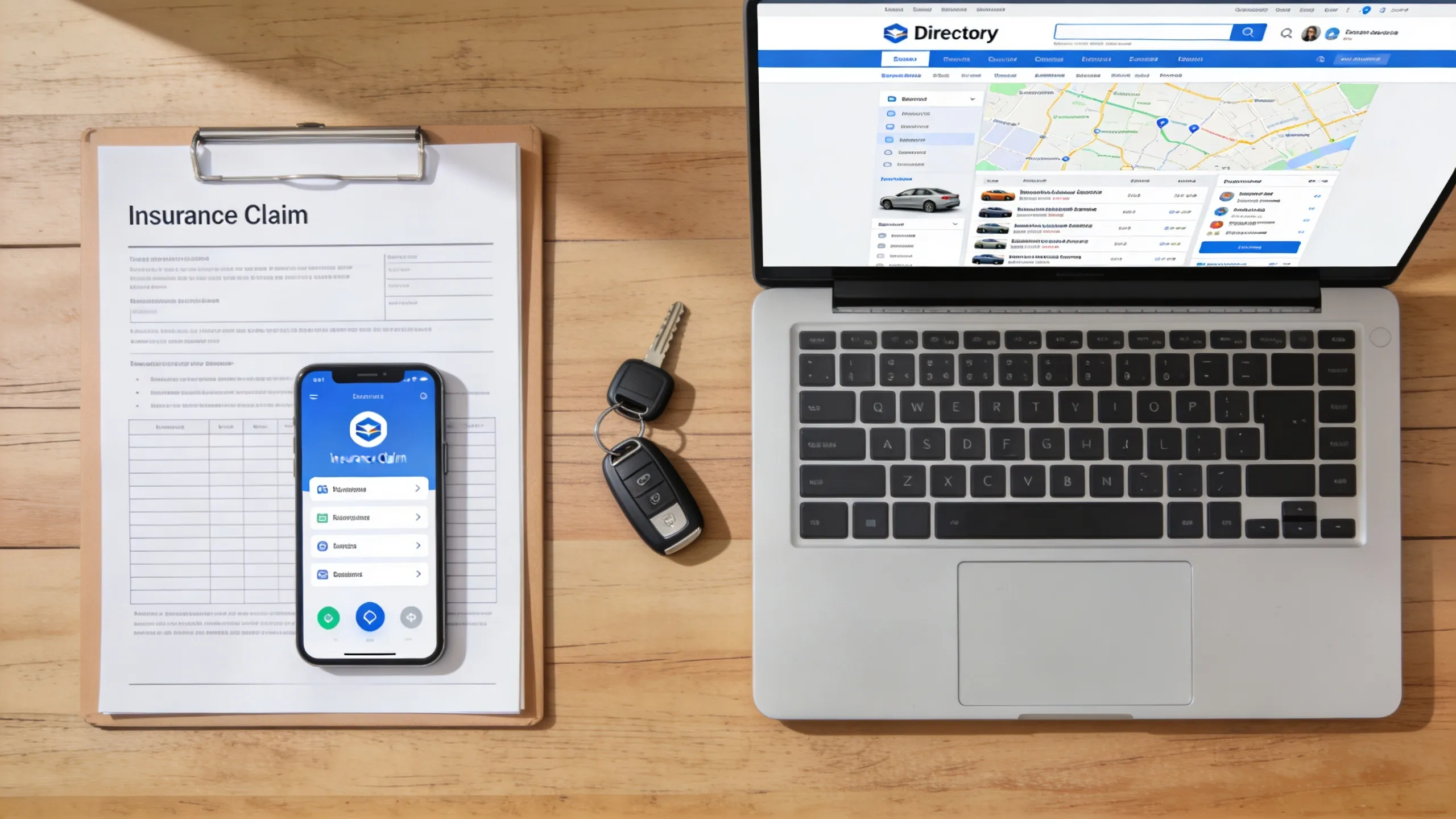
Insurance body shop locators route you to DRP shops that prioritize the insurer’s cost targets. Independent directories like AutoBodyShopNear.com show the full market — including shops that may deliver better repairs but don’t have insurance contracts. You have the legal right to choose any licensed shop regardless of what your insurer recommends.
Insurance companies make the first option easy. Their websites and apps often include a body shop locator that lists shops in the insurer's network — commonly called DRP shops. At the same time, drivers can search independent directories like AutoBodyShopNear.com, Google Maps, or Yelp to find shops based on location, reviews, and the specific repair they need.
Both paths can work. The right decision depends on damage severity, vehicle type, and what matters most to you.
This guide explains how each system works, where conflicts can come up, and what legal rights drivers keep in all 50 states.
Disclosure (May 2026): This article is published by the AutoBodyShopNear.com Team. It references AutoBodyShopNear.com as one independent directory option. All claims about insurer programs and consumer rights reflect publicly available information as of May 2026.
Should I Use My Insurance Body Shop or Find One Myself?
A collision claim starts with pressure. You might need towing, a rental car, police paperwork, and a repair estimate — all in a short window.
The suggestion from your insurer can genuinely help, especially for someone who's never filed a claim. Still, a recommendation isn't a requirement.
What makes this decision complicated is that both sides have valid points:
- Insurer programs can reduce paperwork
- Independent search can increase control
- DRP networks can move claims faster
- Independent options offer a wider range of shops to choose from
A small bumper scratch is a different situation from frame damage. A commuter car is different from a new vehicle loaded with sensors.
What Is an Insurance Body Shop Locator?
An insurance body shop locator is a search tool built into an insurer's website or mobile app, usually connected to claim filing. It shows shops that participate in the insurer's Direct Repair Program (DRP) — a business agreement between the insurer and a repair facility covering pricing, documentation, cycle times, and process standards.
Well-known examples include:
- State Farm Select Service
- Allstate Good Hands Repair Network
- GEICO Auto Repair Xpress
- Progressive network shop options in their claims tool
The core idea is consistency. Insurers want predictable outcomes and controlled claim costs.
How DRP programs usually work
A typical DRP workflow:
- The policyholder files a claim
- The insurer suggests one or more network shops
- The shop writes an estimate in the insurer's preferred system
- Adjustments are handled between shop and insurer
- Repairs are completed and billed under program rules
This can reduce back-and-forth because the shop and insurer already share standards and systems.
What "preferred" means
"Preferred" doesn't automatically mean "best quality in the city." It means the shop is preferred for the insurer's network model — which includes performance metrics, cost expectations, and turnaround targets.
Some preferred networks include repair guarantees. Read the written terms carefully, including coverage limits and who handles rework if something goes wrong.
What Is an Independent Body Shop Directory?
An independent body shop directory lists repair businesses without limiting results to one insurer's network. It's a consumer-side discovery tool, not an insurer-side routing tool.
Common examples:
- AutoBodyShopNear.com
- Google Maps
- Yelp
These sources aren't restricted by DRP agreements with any carrier. Consumers can see a wider range of shops and evaluate fit more freely.
How independent directories are used
A driver can search by location and repair type — collision repair, bumper repair, frame work, auto glass, or paintless dent repair. Then compare options by:
- Specialization and services offered
- Reviews and photo evidence from real customers
- Certifications and equipment
- Distance and current availability
- How responsive they are during an estimate call
Some independent platforms also publish educational content. AutoBodyShopNear.com, for example, covers repair and claim topics on its blog.
What makes AutoBodyShopNear.com different
AutoBodyShopNear.com is focused specifically on auto body and collision needs. As of May 2026, it includes more than 81,000+ body-shop-only listings, service-type filters, and educational content for drivers making repair decisions.
A focused directory cuts down on noise and keeps results tied to body repair needs specifically.
How Insurance Body Shop Finders Choose Which Shops to Show
Most insurer locators don't try to show every nearby body shop. They show shops within their DRP or preferred network — and nothing else.
DRP agreements shape visibility
A shop appears in the insurer locator because it has an active agreement. That agreement can include negotiated labor and material rates, parts sourcing expectations, documentation requirements, supplement approval workflows, and performance benchmarks.
This setup helps claim consistency, but it also means a well-regarded local shop may not show up at all if it hasn't joined that program.
Incentives can differ between parties
Each party in a claim has a different incentive:
- Car owner: safe, complete, lasting repair
- Insurer: proper claim handling and controlled payout
- Shop: profitable operation and steady volume
These incentives can overlap, but they're not identical. A DRP system aligns shop operations with insurer requirements — which can improve speed but also create cost pressure.
Why this matters for trust
If a locator is built around insurer agreements, results aren't fully neutral from a consumer standpoint. That doesn't mean every DRP shop is poor quality — many do excellent work. It does mean the tool isn't the same thing as an open-market directory.
A fair comparison starts by recognizing that difference.
Pros and Cons of Using an Insurance Preferred Body Shop
Pros
-
Faster claim coordination — Network shops and insurer teams often share systems. Estimate updates, supplement approvals, and billing may move faster because both sides are already connected.
-
Less paperwork for the owner — In many DRP claims, the shop and insurer handle communication directly. You spend less time passing documents back and forth.
-
Program familiarity — DRP shops understand carrier-specific rules. That can reduce confusion about forms, photo requirements, or approval steps.
-
Possible repair guarantees — Some insurers and networks offer written guarantees on work done through the program. Terms vary — read the limits and transfer rules.
-
Easy starting point — For someone in shock after an accident, a built-in locator provides immediate next steps and removes one decision from a hard moment.
Cons
-
Limited choice — Results are restricted to program shops. High-quality non-DRP shops nearby won't appear at all.
-
Potential cost-first pressure — DRP economics can put pressure on labor time, parts choices, and cycle speed. That can create tension with owner preferences, especially on newer or premium vehicles.
-
Parts disputes — Claims involving differences over OEM vs. aftermarket vs. salvage parts are common. Owners who care about parts type may need extra communication when insurer cost controls are strict.
-
Perception of divided loyalty — Because insurers route work to DRP shops, some owners worry the shop's first loyalty is to the payer. Whether true or not in a specific case, that concern affects trust.
-
Possible steering pressure — Insurers can't force shop choice, but some drivers report strong recommendations framed like requirements. That can confuse policyholders about their actual rights.
Pros and Cons of Using an Independent Body Shop Directory
Pros
-
Broader market access — You can see DRP and non-DRP options, including specialty shops that don't join insurer programs.
-
Consumer-first comparison — Results aren't filtered by one carrier's agreements. Compare based on what matters to you.
-
Better fit for complex repairs — For frame, structural, or sensor-heavy jobs, specific certifications or equipment matter. Independent search makes it easier to find shops that have them.
-
Greater control over parts and process — You can ask direct questions about OEM parts, calibrations, repair methods, and warranty terms before authorizing anything.
-
Niche search tools — Focused directories like AutoBodyShopNear.com filter by repair type and cut the noise you'd find on broad local listing sites.
Cons
-
More research time — Without a built-in insurer workflow, you're calling shops, comparing estimates, and verifying fit yourself.
-
Claim process may feel slower — When a non-DRP shop is selected, insurer approvals can involve more back-and-forth. The insurer still has to pay for covered damage, but it can add time.
-
Quality varies — Open directories include excellent shops and average shops. You have to screen carefully.
-
Inconsistent information across platforms — Hours, services, and listing details can differ between Google, Yelp, and shop websites. Confirm details directly with the shop.
-
Harder for first-time claimants — If you prefer being guided through a fixed process, independent search can feel overwhelming during a stressful week.
Your Right to Choose a Body Shop Over the Insurance Company's Pick
Every policyholder should know this: in all 50 states, you have the right to choose your own repair shop. "Insurance companies can recommend shops in their networks, but they cannot require the policyholder to use a specific facility."
This right keeps repair choice with the vehicle owner, not the insurer.
What insurers can and cannot do
Insurers can:
- Suggest DRP shops
- Explain program benefits
- Share estimated timelines for network claims
Insurers cannot:
- Force you to use one specific body shop
- Deny a claim solely because you chose a non-DRP shop
- Misrepresent your shop choice rights to pressure a decision
If you choose a non-DRP shop, the insurer still has to pay covered claim amounts under your policy. The process may involve additional estimate review or approvals, but your right to choose remains intact.
Anti-steering protections
Many states have anti-steering rules meant to stop unfair pressure tactics that push consumers toward specific repair shops. State rules vary in wording and enforcement.
Practical advice regardless of where you live:
- Get all guidance in writing
- Keep copies of claim messages and emails
- Document any statement that sounds like a requirement
- Contact your state insurance department if you need clarification
DRP vs Independent Body Shop: When to Use Each Option
There's no universal answer here.
Cases where insurer locator may fit
- Damage is minor and straightforward
- You need very fast turnaround
- Convenience matters more than deep shop comparison
- The vehicle is older and strict OEM preference is less important
- A trusted local DRP shop already has strong reviews
Cases where independent directories may fit better
- The repair is complex or structural
- The car is newer, premium, or has advanced driver-assistance systems
- You want control over parts selection
- You want to compare multiple specialists before deciding
- The insurer's suggested shop has weak reviews or limited transparency
Risk-based thinking
A useful rule: as repair complexity increases, independent comparison becomes more valuable. As urgency and simplicity increase, insurer convenience may become more attractive.
Match your decision to the repair risk, not just the claim speed.
How to Combine Insurance and Independent Body Shop Searches
Many owners blend both methods. Here's a step-by-step approach:
-
Start with insurer recommendations — Use the insurance company body shop locator to see available DRP options and understand likely claim timing.
-
Build an independent comparison list — Use AutoBodyShopNear.com, Google Maps, and Yelp to find at least three non-DRP or mixed-affiliation candidates.
-
Compare by fixed criteria — Ask every shop the same questions:
- Experience with this exact repair type
- OEM vs. aftermarket parts policy
- ADAS calibration capability
- Warranty terms in writing
-
Typical cycle time and how they communicate during repairs
-
Share your chosen shop with insurer early — Tell the insurer which shop you selected and request written confirmation of next claim steps. Clear communication early reduces delays.
-
Stay involved during supplements — Complex repairs often need supplemental approvals. Ask for update points at teardown, parts order, and pre-delivery inspection.
-
Inspect and document at delivery — Review panel fit, paint match, warning lights, and invoice details. Keep copies of warranty documents and alignment or calibration records.
The hybrid method gives you insurer process clarity while protecting your choice and quality control.
Sources
- Insurance Information Institute — auto insurance claims statistics
- National Association of Insurance Commissioners — state insurance commissioner consumer resources
- I-CAR (Inter-Industry Conference on Auto Collision Repair) — collision repair industry training standards
- NHTSA Vehicle Safety — federal vehicle safety and crashworthiness standards
Insurance Body Shop Finder FAQ
Can my insurance company force me to use their shop?
No. In all 50 states, policyholders have the right to choose their repair shop. Insurers can recommend network shops, but they can't require a specific one.
What is a DRP?
DRP stands for Direct Repair Program — an agreement between an insurer and a repair facility covering pricing, process, documentation, and performance expectations.
Are DRP shops lower quality?
Not always. Many do excellent work. The key issue isn't that all DRP shops are bad — it's that DRP incentives can create cost and speed pressure. Quality should be checked shop by shop.
Will my insurance pay if I choose my own shop?
Yes, for covered damage under your policy terms. A non-DRP choice can involve extra estimate review and may move a bit slower, but choosing your own shop doesn't remove coverage.
How do I find independent body shops?
Use an independent body shop directory and broad local platforms. AutoBodyShopNear.com, Google Maps, and Yelp are solid starting points. Call shops directly to confirm capabilities and timelines.
What is anti-steering?
Anti-steering refers to rules that limit unfair pressure pushing claimants into specific repair shops. State laws differ, but the purpose is to protect your right to choose.
Key Takeaways: Insurance Preferred Body Shop vs Independent
After an accident, both insurer locators and independent directories can help. The right choice depends on the repair and your priorities.
Insurance company locators are built for program efficiency. They can reduce friction and speed claim handling — but they only show DRP shops.
Independent directories give you broader visibility and stronger control. They're often better for owners who want to compare specialists, parts policies, and repair standards before committing.
The most important fact: every policyholder in all 50 states has the right to choose their own body shop. Insurer suggestions are optional.
For many drivers, a hybrid approach works best. Use insurer tools to understand claim workflow, then use independent search to verify quality and fit before authorizing repairs.
Published on AutoBodyShopNear.com. Information is current as of May 2026.