
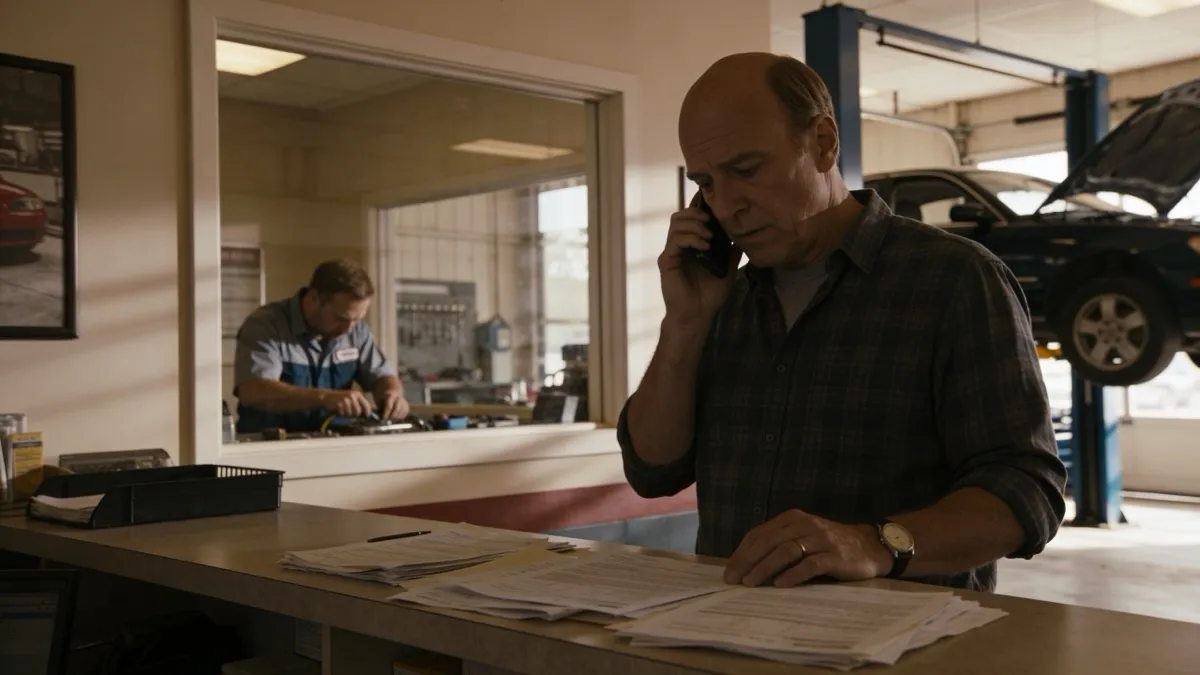
Insurance adjusters have a job to do: minimize payouts. Here's what they don't tell you about deductibles, total loss thresholds, and getting what your car actually needs.
How Collision Claims Actually Work
When you file a collision claim, your insurer assigns an adjuster to evaluate the damage. This person works for the insurance company, not for you. Their job is to settle the claim for the least amount that's defensible. That's not malicious. It's their job description.
- You file the claim and provide accident details, photos, and a police report if available
- The insurer assigns an adjuster who inspects the damage (in person or via photos)
- The adjuster writes an initial estimate using insurance-approved labor rates and parts pricing
- You choose a shop; the shop may write a competing estimate
- If the shop finds additional damage during teardown, they file a supplement
- The insurer approves (or disputes) the supplement, and repairs continue
The initial estimate is almost never the final cost. Adjusters write estimates based on visible damage. Once a shop starts taking panels off, they typically find 20-40% more damage underneath. This is normal and expected. It's called a supplement.
Insurance Adjuster Tactics to Know
Adjusters are trained negotiators. They're polite, professional, and very good at steering conversations. Here are common tactics and how to handle them:
Steering to preferred shops. They'll "recommend" shops that have agreed to lower labor rates. You can always choose your own shop.
Lowball initial estimates. The first number is a starting point, not a final offer. Shops routinely find more damage.
Aftermarket parts by default. Insurers prefer cheaper aftermarket parts. You can negotiate for OEM, especially on newer cars.
Quick settlement pressure. They may push to close your claim fast. Take the time you need to get a proper estimate.
Recorded statements. Be careful. Anything you say can be used to limit your claim. Stick to facts.
The Truth About Your Deductible
Your deductible is the amount you pay before insurance kicks in. If your deductible is $500 and the repair costs $3,000, you pay $500 and insurance covers $2,500. Simple enough, but there are nuances most people miss.
If the other driver was at fault and has insurance, their liability coverage pays for your repairs with no deductible from you. Your own collision coverage is for when you're at fault or the other driver is uninsured.
Some shops offer to "waive your deductible" as an incentive. This is technically insurance fraud in most states. The shop inflates the repair estimate to absorb your deductible, which means they're billing the insurer for work they're not actually doing. If this arrangement falls apart, you're the one left exposed.
Total Loss Thresholds by State
When repair costs exceed a certain percentage of your car's value, the insurer declares it a total loss. This threshold varies by state. Some use 75%, others go as low as 51%. A few states have no fixed threshold and let the insurer decide case by case.
If your car is on the borderline, you have options. You can negotiate the valuation upward by providing comparable sales data. You can also challenge the repair estimate if you think the shop overestimated the work needed.
If your car is declared a total loss, the insurer pays you the "actual cash value": what your car was worth before the accident, minus your deductible. They don't pay what you owe on your loan. If you're upside down, gap insurance covers the difference.
Supplement Claims: Hidden Damage
The most common source of conflict between shops and insurers is supplement claims. When a shop tears down your car and finds damage that wasn't visible during the initial inspection, they submit a supplement, an additional estimate for the extra work.
Good shops document everything with photos and detailed write-ups. Most supplements get approved without much pushback. But some insurers will challenge supplement amounts, especially on labor hours or parts choices. This is where having a shop that knows how to work with insurance companies makes a real difference.
Your Rights During a Claim
- Right to choose your own shop: No insurer can force you to use a specific shop
- Right to OEM parts: You can request manufacturer parts, though your policy may not cover the difference
- Right to a rental car: If your policy includes rental coverage, you're entitled to a rental during repairs
- Right to dispute: If you disagree with the claim settlement, you can file a complaint with your state's department of insurance
- Right to an independent appraisal: Most policies include an appraisal clause for disputed valuations
Negotiating a Better Payout
If the insurer's offer seems low, don't accept it immediately. Gather comparable vehicle listings from your area showing what similar cars are selling for. Factor in any recent maintenance, new tires, or upgrades that add value.
Present your case calmly with documentation. Adjusters have authority to increase payouts within a range. If the front-line adjuster won't budge, ask to speak with their supervisor. And if all else fails, file a complaint with your state's insurance commissioner. It's free, and insurers take those complaints seriously.
The insurance company isn't your enemy, but they're not your advocate either. Treat the process like a business negotiation: know your numbers, document everything, and don't settle for less than what's fair.